Can You Really Save a Completely Rusted Cast Iron Pan?

Can You Really Save a Completely Rusted Cast Iron Pan?

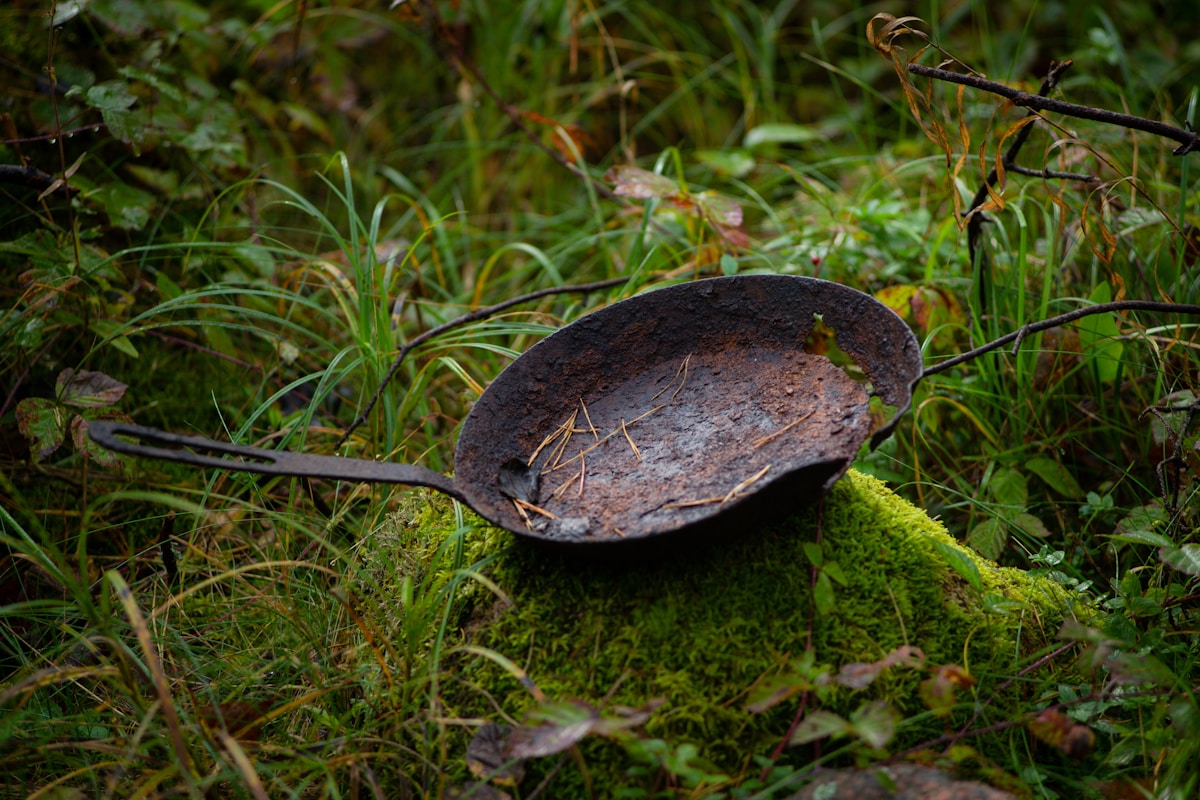
You see it in the back of your grandmother’s cabinet, at a garage sale for a couple of bucks, or maybe you just forgot one on the back burner. It’s a cast iron skillet, but it’s not the beautiful, jet-black, glossy pan you see in cooking videos. It’s a sad, crusty, orange-flaked mess. Your first thought is probably, “Well, that’s ruined. Into the trash it goes.”

Can You Actually Save a Rusted Cast Iron Pan

Can You Actually Save a Rusted Cast Iron Pan

It’s a heartbreaking moment for any cook. You find it at a garage sale, a flea market, or maybe just buried in the back of your own cabinet—a cast iron skillet, covered in a bloom of angry orange rust. Your first thought is probably, “Well, that’s done for.” It feels like a total loss, a piece of classic cookware destined for the scrap heap.

Have I Actually Ruined My Cast Iron Skillet Forever?

Have I Actually Ruined My Cast Iron Skillet Forever?

It’s a heart-sinking moment for any home cook. You pull out your trusty cast iron skillet—the one that’s seared countless steaks and crisped up a thousand potato hashes—only to find it looking…awful. Maybe a well-meaning houseguest left it to soak in the sink, and now it’s covered in a fine layer of orange rust. Or maybe after a particularly smoky cooking session, it’s caked in a thick, black, flaky crust that won’t budge.

What Is That Weird Brushed Finish on My Cast Iron Pan

What Is That Weird Brushed Finish on My Cast Iron Pan

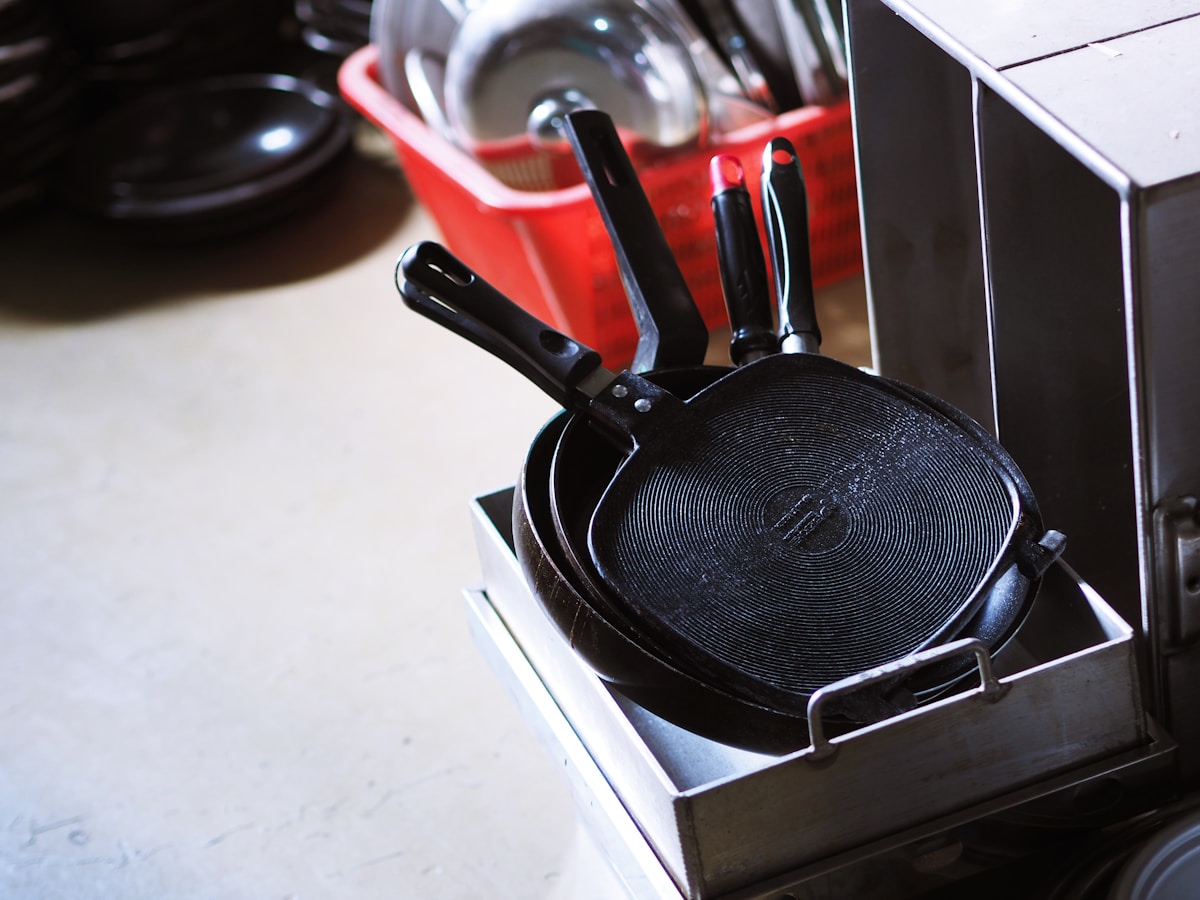
You’ve done it. You walked into a restaurant supply store, the culinary equivalent of a hardware store for grown-ups. The shelves are stacked high with no-nonsense, heavy-duty gear that promises performance without the fancy packaging. You spot a stack of skillets. They’re labeled ‘iron,’ they’re heavy like cast iron, but they look… different.

How Do You Safely Restore Vintage Cast Iron Pans

How Do You Safely Restore Vintage Cast Iron Pans

You’ve seen it before. Tucked away on a dusty shelf at a thrift store, buried in a box at a garage sale, or passed down from a grandparent’s kitchen. It’s a cast iron skillet, but it looks more like a shipwreck artifact than a kitchen tool. It’s covered in a crust of black, flaky carbon, maybe with a few blossoms of orange rust peeking through. Most people walk right past it. But you shouldn’t.