How Do You Bake Dandelion Shortbread Without Bitterness or Burning

How Do You Bake Dandelion Shortbread Without Bitterness or Burning

Every spring, I watch as lawns transform into a constellation of cheerful yellow suns. Most people see a chore, a field of weeds to be tamed. But for a baker, this is an opportunity. Those dandelions, Taraxacum officinale, are a fleeting, edible ingredient that can turn a simple cookie into something magical. The flavor is subtle, a whisper of honey and spring sunshine, trapped within a buttery, crumbly bite.

How Do You Bake Beautiful Cookies With Real Flowers On Top?

How Do You Bake Beautiful Cookies With Real Flowers On Top?

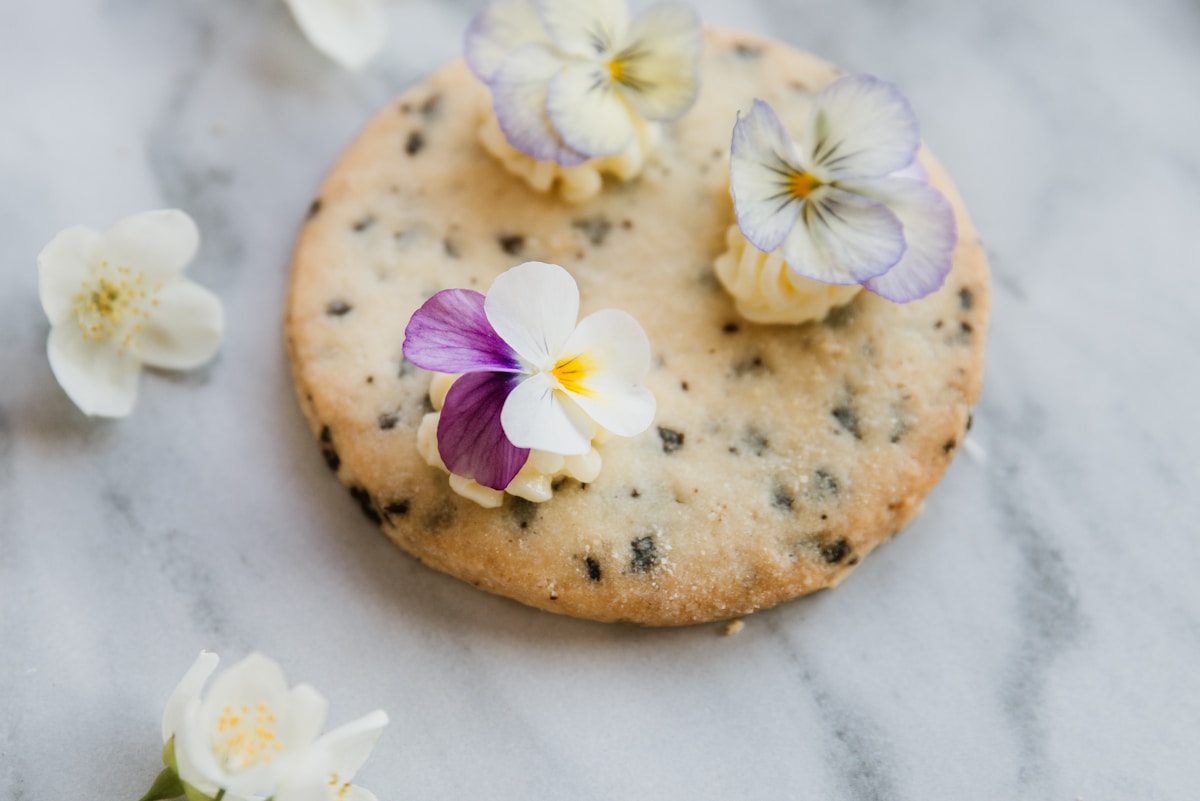
Have you ever scrolled through your social media feed in the springtime and stopped dead in your tracks? There they are: delicate, buttery cookies that look like they’ve been kissed by a garden. They have real, vibrant flowers pressed into their surface, looking like tiny pieces of stained glass. It feels like pure magic, and it’s natural to wonder, “Could I actually make those?”

How Do You Safely Bake With Dandelions From Your Garden

How Do You Safely Bake With Dandelions From Your Garden

It’s a familiar sight: a spring lawn, transformed into a sea of cheerful yellow dots. For many, the first instinct is to see a chore—a field of weeds to be dealt with. But what if I told you that lawn is also a pantry, and those dandelions are a delicate, edible flower with a flavor reminiscent of honey and sunshine? It sounds a bit magical, I know, but it’s pure kitchen science.

Can You Really Bake Delicious Cookies With Dandelions

Can You Really Bake Delicious Cookies With Dandelions

You’ve seen them a thousand times. Bright yellow dots cheerfully punctuating a green lawn. For most, they’re a stubborn weed to be dealt with. But what if I told you that lawn full of dandelions is actually a pantry in disguise? The idea might seem strange at first—dandelions in cookies? But stick with me. Baking is chemistry you can eat, and sometimes the most surprising ingredients yield the most delightful results. By understanding the science behind this humble flower, you can transform it from a common weed into a delicate, honey-flavored treasure for your kitchen.

How Do I Safely Use Edible Flowers From My Garden In Baking?

How Do I Safely Use Edible Flowers From My Garden In Baking?

Have you ever looked out at your garden, bursting with the vibrant yellows of dandelions or the cheerful faces of pansies, and thought, “That’s almost too beautiful to leave outside?” There’s a certain magic in bringing the garden directly into the kitchen, not just in a vase, but right into your mixing bowl. I recently saw a photo of the most delicate, sun-flecked dandelion shortbread cookies, and it sparked that wonderful curiosity that all us kitchen explorers share. It’s a beautiful idea, connecting our baking to the seasons and the soil.

How Can I Stop Edible Flowers From Burning On My Cookies?

How Can I Stop Edible Flowers From Burning On My Cookies?

There are few things more satisfying than pulling a tray of perfectly golden shortbread from the oven. And when you’ve taken the time to press delicate, colorful flower petals onto each one, the anticipation is even greater. You imagine the floral scent, the buttery crumble… but then you see it. The cookies are perfect, but the beautiful petals are scorched, brown, and bitter.

How Can You Safely Use Garden Flowers In Your Baking?

How Can You Safely Use Garden Flowers In Your Baking?

There’s a special kind of magic that happens when the garden finds its way into the kitchen. You see a picture of a shortbread cookie, delicate and buttery, with the stained-glass face of a viola pressed into its surface. Or a birthday cake crowned not with sprinkles, but with a cascade of candied rose petals. It feels like a secret from a fairy tale.

Can You Really Bake With Flowers From Your Garden

Can You Really Bake With Flowers From Your Garden

I was scrolling through a baking forum the other day and saw a photo that stopped me in my tracks: a tray of the most delicate, buttery-looking shortbread cookies, each one adorned with the bright yellow petals of a dandelion. It was simple, beautiful, and looked utterly delicious. My first thought was, “What a brilliant idea.” My second, more cautious thought was, “Is that… safe?”

Can You Really Bake With Dandelions From Your Yard?

Can You Really Bake With Dandelions From Your Yard?

You’ve seen them a thousand times: a constellation of bright yellow suns dotting a spring lawn. For most, the dandelion is a persistent weed. But for a baker, it’s an invitation to experiment. The question isn’t just can you bake with them, but how do you do it correctly to unlock their delicate, honey-like flavor without any of the bitterness?

How Do You Safely Bake With Dandelions From Your Yard?

How Do You Safely Bake With Dandelions From Your Yard?

Have you ever looked out at a lawn blanketed in cheerful yellow dandelions and seen not weeds, but a secret ingredient? For most of us, these sunny little flowers are a sign of spring or a backyard nuisance. But in the kitchen, they can be transformed into something truly magical, a delicate taste of the season that connects us directly to the earth.

Can You Really Bake With Dandelions From Your Yard?

Can You Really Bake With Dandelions From Your Yard?

Have you ever looked out at a lawn blanketed in cheerful yellow dandelions and seen more than just weeds? Most of us have been trained to see them as a nuisance, a botanical problem to be solved. But for a curious baker, they represent an opportunity—a wild, edible ingredient with a surprisingly delicate, honey-like flavor profile just waiting to be explored.

How Do You Prepare Dandelions For Baking Without Bitterness

How Do You Prepare Dandelions For Baking Without Bitterness

There’s a certain magic to the idea of turning a yard full of sunny dandelions into a delicate, floral batch of cookies. You picture yourself, basket in hand, gathering nature’s bounty. But for many aspiring foragers, that idyllic scene ends with a disappointing, bitter bite. The truth is, the line between a uniquely delicious baked good and a botanical mistake is razor-thin, and it all comes down to preparation.