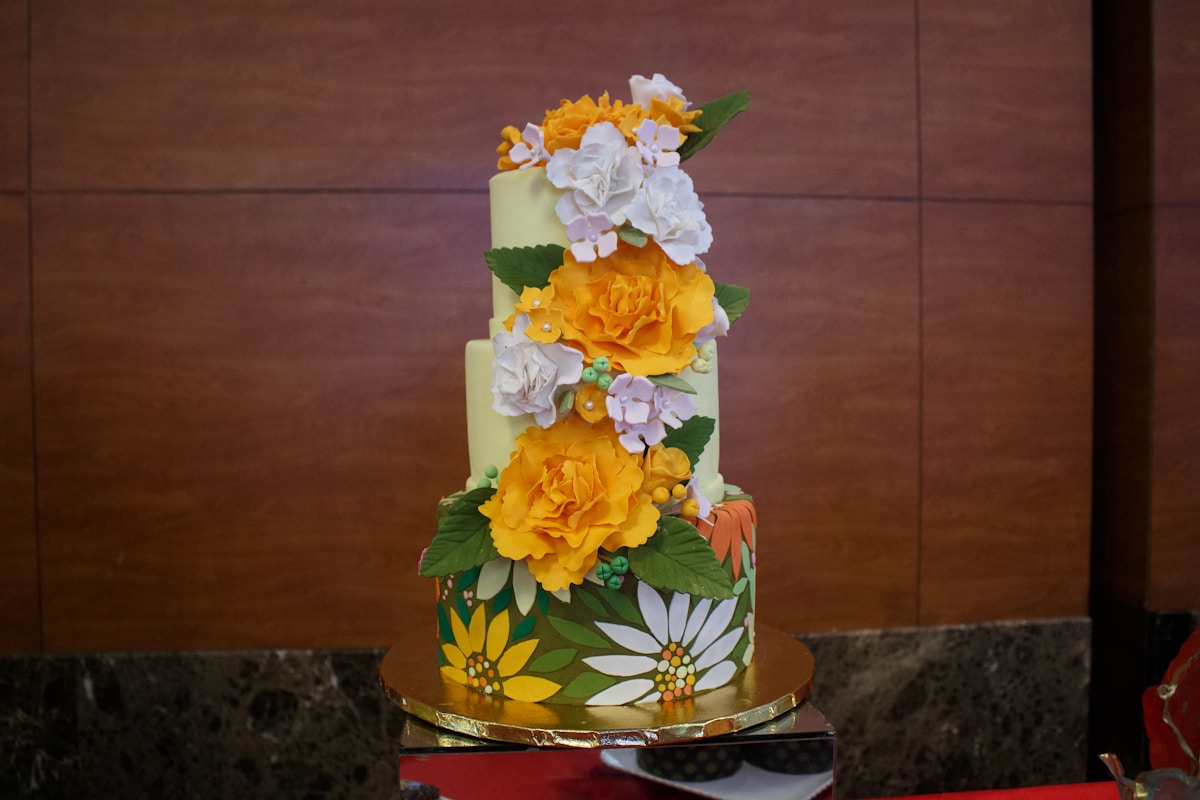
There’s a special kind of magic that happens when the garden finds its way into the kitchen. You see a picture of a shortbread cookie, delicate and buttery, with the stained-glass face of a viola pressed into its surface. Or a birthday cake crowned not with sprinkles, but with a cascade of candied rose petals. It feels like a secret from a fairy tale.
But for many of us, that initial wonder is followed by a wave of hesitation. Are they… really edible? Is it safe? Can I just go outside and pick a flower to put on a cupcake? The answer is a joyful “yes,” but with a very important set of rules. Bringing the beauty of your garden to your baked goods is one of the most rewarding things you can do, connecting you to the seasons and the soil in a truly delicious way. It’s about transforming something beautiful into something beautiful and edible.
Let’s walk through this together. We’ll explore how to confidently identify, harvest, and use flowers to turn your baking into edible art. Forget the artificial food coloring; nature has a palette all its own just waiting for you.
The Golden Rule of Floral Baking: Safety Above All
Before we even talk about recipes or techniques, we have to talk about safety. This is the one area where there is absolutely no room for error. When you’re foraging for mushrooms, the rule is, “When in doubt, throw it out.” The exact same principle applies here.
First, absolute identification is non-negotiable. Many beautiful flowers are toxic. Foxglove, lily-of-the-valley, and oleander can be severely harmful if ingested. You must be 100% certain of what you’re picking. Use a reliable plant identification app or a trusted botanical guidebook, and cross-reference if you have even a sliver of doubt.
Second, and just as important, is the source. Never, ever use flowers from a florist, a commercial nursery, or the side of the road. These plants are almost certainly treated with systemic pesticides, fungicides, and other chemicals that are not meant for human consumption. They might look beautiful, but they are not food.
The only truly safe flowers are those you’ve grown yourself in an organic garden, or those purchased from a reputable farm that specifically grows edible flowers for culinary use. When you control the soil and know for a fact that no harmful sprays have been used, you can bake with peace of mind.
Your Edible Flower Starter Kit: Five Easy & Delicious Blooms
Ready to get started? The world of edible flowers is vast, but it’s best to begin with a few well-known, easy-to-grow, and delicious varieties. Think of these five as your floral pantry staples.
-
Pansies and Violas: These are the cheerful faces of the edible flower world. Their flavor is mild, slightly grassy, and a little sweet, with some varieties having a hint of wintergreen. Their velvety petals and vibrant colors hold up surprisingly well to gentle heat, making them perfect for pressing into sugar cookies or shortbread just before baking. They are also stunning when frozen into ice cubes for a fancy drink.
-
Nasturtiums: Here’s where things get interesting! Nasturtiums offer a delightful, peppery kick, much like watercress or radish. Both the leaves and the fiery orange, yellow, and red flowers are edible. While their bold flavor isn’t suited for a sweet vanilla cake, they are incredible when baked into savory scones, folded into a cheesy biscuit dough, or used to garnish a focaccia.
-
Culinary Lavender: A note of caution here: make sure you’re using an English culinary variety (like Lavandula angustifolia), not a decorative Spanish or French one, which can be overpowering and soapy. Culinary lavender has a sweet, floral, and slightly citrusy perfume. A little goes a very long way. It’s divine when infused into sugar for cookies or used to flavor a simple pound cake or crème brûlée.
-
Roses: The symbol of romance is also a wonderfully versatile baking ingredient. All rose petals are edible, provided they are unsprayed. Their flavor is exactly what you’d expect: floral, fragrant, and slightly sweet, reminiscent of strawberries and green apples. Darker petals tend to have a stronger flavor. Use them to make rose water, infuse syrups for drizzling over cakes, or candy them for a show-stopping decoration.
-
Dandelions: Yes, that common weed in your lawn! Dandelions are a fantastic, free source of edible flowers. The bright yellow petals have a sweet, honey-like flavor when picked young (the green base can be bitter, so it’s best to just use the petals). They can be baked into breads, made into dandelion shortbread, or folded into pancake batter for a sunny-looking breakfast.
From Garden to Countertop: How to Harvest & Prepare Your Flowers
Once you’ve confidently identified your safe, homegrown flowers, preparing them for the kitchen is a gentle art. Treat them with care to preserve their delicate structure and beauty.
-
Harvest at the Right Time: The best time to pick your flowers is in the morning, after the dew has evaporated but before the sun gets too hot. This is when their essential oils are at their peak and the flowers are most hydrated and fresh.
-
Give Them a Gentle Shake: Before bringing them inside, give each bloom a little shake to dislodge any dirt or tiny insects that might be hiding inside.
-
A Quick, Cool Rinse: Wash the flowers gently. The best way is to swish them in a bowl of cool water rather than putting them under a forceful tap. This cleans them without bruising or tearing the delicate petals.
-
Pat Dry with Extreme Care: Lay the washed flowers in a single layer on a clean paper towel or a soft tea towel. Gently pat them dry. You want to remove the surface moisture so they don’t get soggy in your batter or when candying.
-
Prepare for Use: For most flowers like pansies and roses, you’ll want to use just the petals. Gently pluck them from the base of the flower, discarding the stamen, pistil, and the often-bitter white heel at the base of the petal. For smaller flowers like violas or lavender buds, you can often use them whole.
Three Beautiful Ways to Bake with Flowers
Now for the fun part! Integrating these botanical beauties into your baking can be as simple or as elaborate as you wish. Here are three reliable methods to get you started.
-
Technique 1: The Press-and-Bake This is perfect for cookies. Prepare a simple sugar cookie or shortbread dough, like a recipe from King Arthur Flour. Roll and cut your cookies as usual. Just before they go into the oven, gently press a whole viola or a few choice petals onto the surface of each cookie. Bake as directed, usually around 350°F (175°C). The flowers will bake right into the cookie, their colors softening into a beautiful, painterly design. (The results are truly stunning!)
-
Technique 2: Candied (or Sugared) Flowers This classic method turns fresh flowers into crisp, sugary decorations that last for weeks. You’ll need one egg white (or aquafaba for a vegan version) and some superfine (caster) sugar. Using a tiny, clean paintbrush, lightly coat each petal or whole flower with a very thin layer of egg white. Then, sprinkle it all over with the sugar until it’s fully coated. Place the sugared flower on a parchment-lined baking sheet and let it air-dry for 24-48 hours, or until completely hard and crisp. Use these to decorate cakes, cupcakes, and tarts after they have been baked and cooled.
-
Kitchen Hack: Floral Infusions This is perhaps the easiest way to capture the flavor of flowers. Create floral sugar by adding one or two tablespoons of dried culinary lavender buds or dried rose petals to a cup of granulated sugar in a sealed jar. Shake it well and let it sit for a week or two, shaking every day. Sift out the flowers, and use the fragrant sugar in any recipe. You can do the same to infuse honey, simple syrups for drinks, or even gently heat them in butter to create a floral brown butter for financiers or madeleines. (Your future self will thank you.)
Baking with flowers connects us to an older, more patient way of cooking. It’s a celebration of the seasons, a nod to the magic of the natural world, and a reminder that the most beautiful ingredients are often right outside our door. So start small, be safe, and let your garden inspire your next masterpiece.