Should I Use a Metal or Glass Pan for a Crispier Pie Crust

Should I Use a Metal or Glass Pan for a Crispier Pie Crust

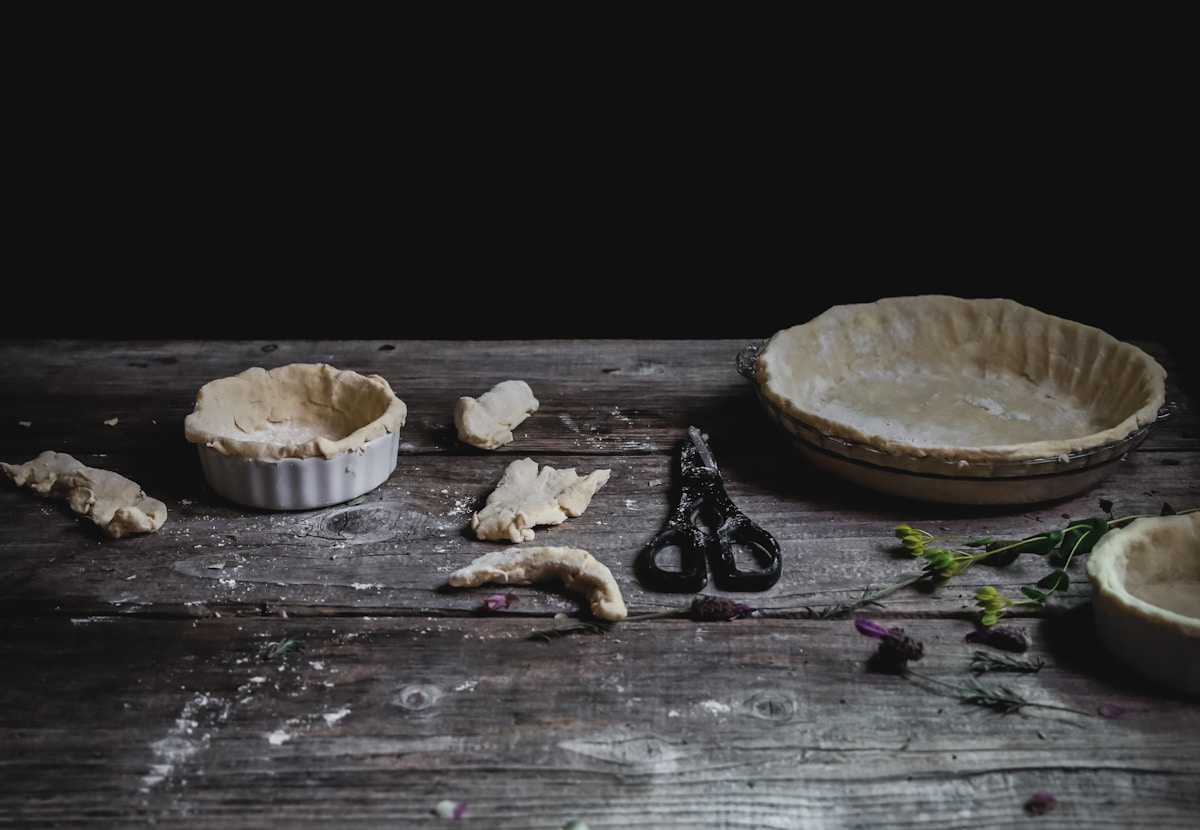
You’ve done everything right. You followed the recipe from King Arthur Baking to the letter, chilled your butter, didn’t overwork the dough, and piled your apples high. Your pie looks magnificent coming out of the oven, a bubbling, golden-domed masterpiece. Then comes the moment of truth: you slice into it, and the first piece slumps onto the plate, revealing a pale, damp, and tragically limp bottom crust.

How Much Dough Should I Leave for a Perfect Pie Crimp

How Much Dough Should I Leave for a Perfect Pie Crimp

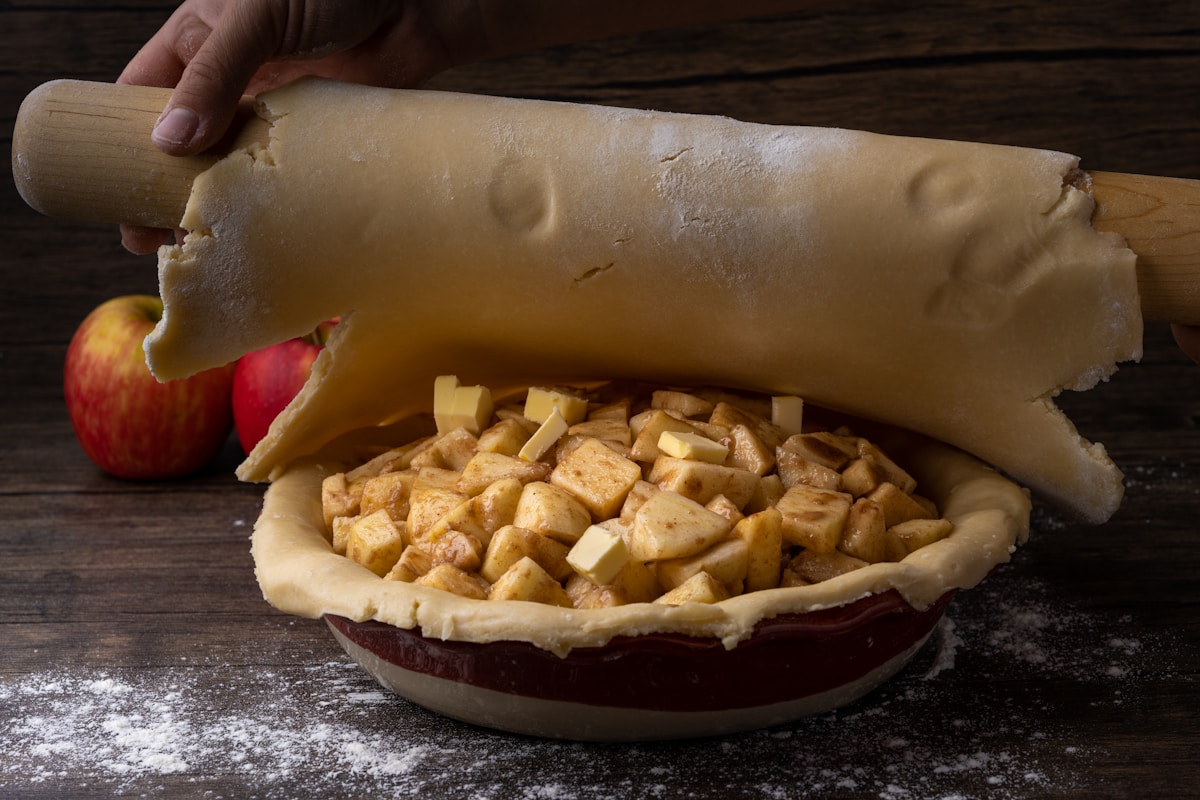
You’ve reached the final step. The filling—a perfect mound of spiced apples or silky pumpkin custard—is nestled in its buttery shell. You’ve carefully draped the top crust, and now it’s time for that final, artistic flourish: the crimp. You lean in, ready to flute the edge into a beautiful, uniform pattern, only to find… nothing. There’s barely enough dough to press together, let alone create the bakery-worthy design you envisioned.

How Do You Make a Graham Cracker Crust for a Deep Dish Pan

There’s a moment of pure kitchen tragedy that I think every ambitious baker has experienced. You’ve spent hours perfecting a silky cheesecake or a zesty key lime pie. It’s a towering, magnificent creation, destined for a special occasion. You go to serve the first perfect slice, lifting it from the pan, and then… disaster. The crust, which was supposed to be a sturdy, golden foundation, disintegrates into a sad, sandy mess, leaving half of itself fused to the pan. Your beautiful filling slumps, defeated.