What Is The Secret To Perfectly Sharp Checkerboard Cookies

What Is The Secret To Perfectly Sharp Checkerboard Cookies

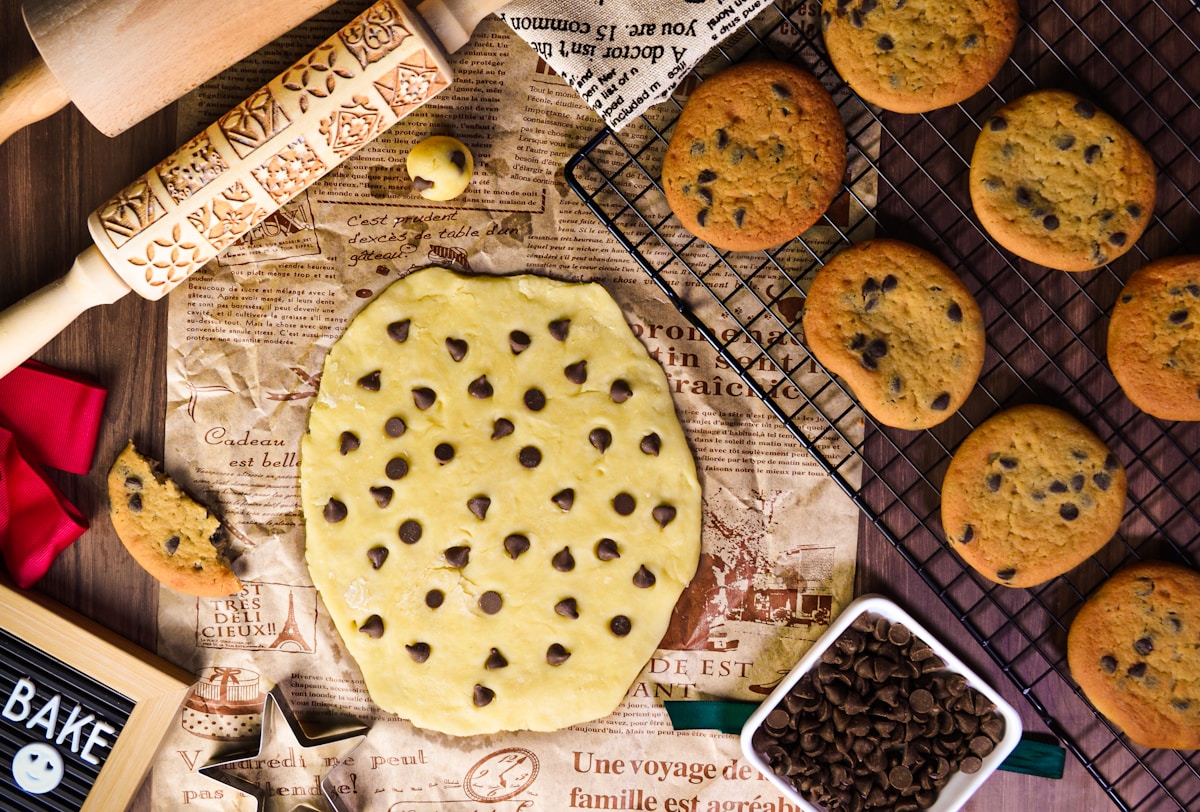
There’s a unique kind of kitchen heartbreak that comes from pulling a tray of checkerboard cookies from the oven, only to find the sharp, graphic pattern you worked so hard on has melted into a blurry, indistinct mess. You followed the recipe. You assembled the dough. But somewhere between the slicing and the heat, the magic was lost. The good news? The solution isn’t magic at all. It’s science. Baking these cookies is less about recipe and more about technique—a methodical process of temperature control and structural engineering. Let’s break down the physics of fat and flour to guarantee your next batch is picture-perfect.
Why Do My Checkerboard Cookies Lose Their Shape in the Oven?

Why Do My Checkerboard Cookies Lose Their Shape in the Oven?

There are few baking projects as satisfying as slicing into a log of checkerboard cookie dough. You’ve carefully crafted the vanilla and chocolate layers, assembling them into a perfect mosaic. You slice, you bake, and you wait with anticipation. But when the timer dings, you pull out a tray of… blobs. The sharp, distinct squares have melted into a blurry, disappointing mess.

Does a Dutch Oven Really Make Better Stew Than a Crockpot?

Does a Dutch Oven Really Make Better Stew Than a Crockpot?

You’ve been smelling it all day. That rich, savory aroma of beef stew has filled your house for eight hours. You lift the lid of your crockpot, expecting meltingly tender morsels of beef. You poke a piece with a fork, and it falls apart beautifully. Success! But then you take a bite, and the magic fades. The meat, despite being shreddable, is somehow… dry. Stringy. Tough.