Here at kitchen-fun.com, we spend most of our time talking about the gear inside your kitchen. But sometimes, the biggest story is about what’s happening outside of it—in the massive, invisible supply chain that gets food to your favorite restaurant and, ultimately, to your dinner table.
There’s a tremor shaking up that supply chain right now. You might have seen the headlines: Sysco, the undisputed giant of food distribution, is reportedly looking to buy Restaurant Depot for a staggering $29 billion. This isn’t just another boring business deal. This is the kind of move that could change what you eat, where you eat, and how much you pay for it. So, let’s break down what this really means for the people who cook, eat, and love food.
What’s Actually Happening Here?
First, let’s get the players straight. Think of it like this:
-
Sysco: This is the 800-pound gorilla of the food world. They are a “broadline distributor,” which is a fancy way of saying they sell almost everything a food-service business needs—from frozen fries and prime rib to napkins and cleaning chemicals. Their clients are typically large chains, hospitals, stadiums, and hotels. They move unbelievable volume.
-
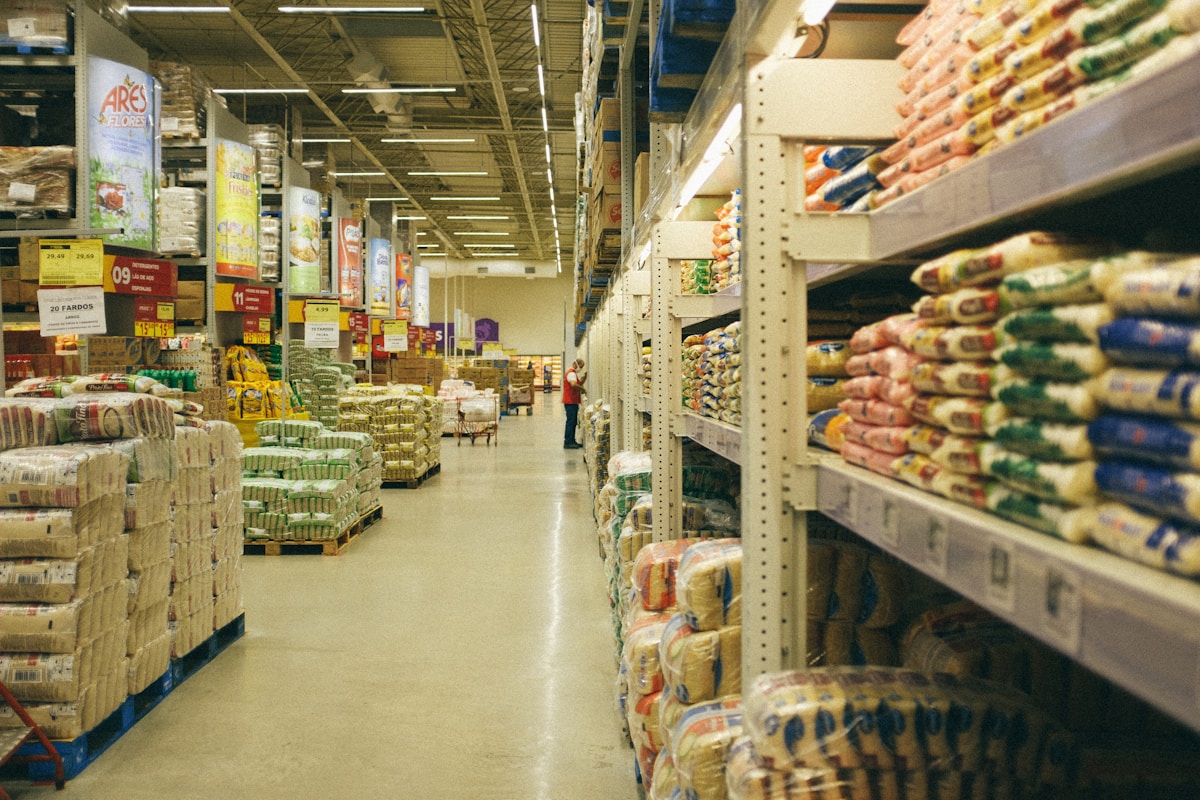
Restaurant Depot: If Sysco is the corporate giant, Restaurant Depot (and its sister company, Jetro) is the champion of the independent operator. It’s a no-frills, cash-and-carry warehouse where chefs from small, local restaurants, food truck owners, and caterers can buy professional-grade ingredients and supplies in bulk without needing to meet the massive minimum orders required by Sysco. (And yes, many savvy home cooks with memberships use it as their secret weapon for stocking up.)
The proposed deal is simple: the gorilla wants to buy the champion. And when that happens, the little guy usually pays the price.
Why This Isn’t Just Another Business Headline
I’ve tested enough non-stick pans to know that competition is what keeps companies honest. When you have multiple brands fighting for your dollar, you get better quality and lower prices. The same principle applies to the food supply chain, but on a much grander scale.
The biggest fear among chefs and industry experts is the creation of a monopoly. If Sysco absorbs Restaurant Depot, it removes a major competitor from the market. For thousands of independent restaurant owners, Restaurant Depot is their lifeline. It’s their primary source for everything from 50-pound bags of flour to whole fish and cases of produce. They rely on its competitive pricing to stay in business against the big chain restaurants that get sweetheart deals from… you guessed it, Sysco.
When one company controls too much of the market, two things almost always happen:
-
Prices Go Up: With less competition, there’s less pressure to keep costs down. Sysco could raise prices on everything, knowing that small restaurants have fewer and fewer alternative places to shop. This is called “monopoly pricing,” and it’s a direct threat to the survival of your favorite local bistro or taco shop.
-
Choice Goes Down: Sysco is a machine built for efficiency and volume. They stock what sells everywhere. Restaurant Depot, being more connected to independent chefs, often carries more diverse, regional, or specialty items. If it’s absorbed into the Sysco machine, that unique product selection could be streamlined and standardized, meaning less access to the interesting ingredients that make local food scenes vibrant.
We’ve Seen This Movie Before and It Had a Bad Ending
If this whole scenario sounds familiar, it should. Back in 2015, Sysco tried to buy its biggest direct competitor, US Foods. The Federal Trade Commission (FTC) stepped in and blocked the deal, and their reasoning was crystal clear: they argued that broadline food distribution is a distinct market, and allowing the #1 and #2 players to merge would severely harm competition.
That precedent is exactly why this new potential deal is so controversial. By acquiring Restaurant Depot, Sysco would be consolidating the market in a different way, but the end result is the same: less choice and more power in the hands of one massive corporation. The concern is that Sysco is trying to achieve through the back door what it was forbidden from doing through the front.
The Ripple Effect: From Wholesale Aisles to Your Dinner Plate
So, how does a corporate merger affect your ability to sear a steak or find the right kind of cheese? The ripple effects could be significant.
-
Higher Menu Prices: This is the most direct impact. If your local restaurants are forced to pay more for their ingredients, they have to pass that cost on to you. That $18 burger might become a $22 burger, not because of the chef, but because of the distributor.
-
Less Culinary Diversity: Independent restaurants are the heart of a city’s food culture. They are the ones taking risks, exploring new cuisines, and pushing boundaries. If they get squeezed out of business by rising costs, we’re left with a landscape of monotonous chain restaurants. The food world becomes a lot more boring.
-
Kitchen Gear & Supplies: This hits close to home for me. Restaurant Depot isn’t just for food. It’s a fantastic source for affordable, durable kitchen equipment—the heavy-duty sheet pans, stockpots, and food containers that I recommend all the time. It’s where you can get a pro-quality tool without the fancy branding and markup. Consolidating that source could make it harder and more expensive to equip your own kitchen like a pro.
-
The Squeeze on Small Producers: Massive distributors prefer to work with massive suppliers. It’s more efficient. This deal could make it even harder for smaller, local farms and artisanal food producers to get their products into the supply chain, further reducing ingredient variety.
My Take and What You Can Do
As someone who believes the right tool—and the right ingredient—makes all the difference, this news is deeply concerning. The kitchen is a place of creativity and joy, and that is fueled by a food system that offers choice, quality, and fair access for everyone, from a four-star chef to a home cook learning to bake bread.
A market dominated by one or two mega-corporations threatens all of that. It prioritizes shareholder value over culinary value.
So, what’s the takeaway for the home cook? It’s a reminder of where the real power lies: with us. The best defense against corporate consolidation is to actively support the alternative.
My Kitchen Hack for this situation: Vote with your wallet, and do it often. Make a conscious choice to eat at local, independent restaurants. Visit your local farmers’ market. Seek out butchers and bakers in your community. These small businesses are the lifeblood of a healthy food ecosystem. The more we support them, the more resilient they are to the pressures from these corporate giants.
We’ll be watching this story as it develops. Because what happens in a distant boardroom has a very real way of showing up on your cutting board. Let’s hope, for the sake of deliciousness, that competition wins.