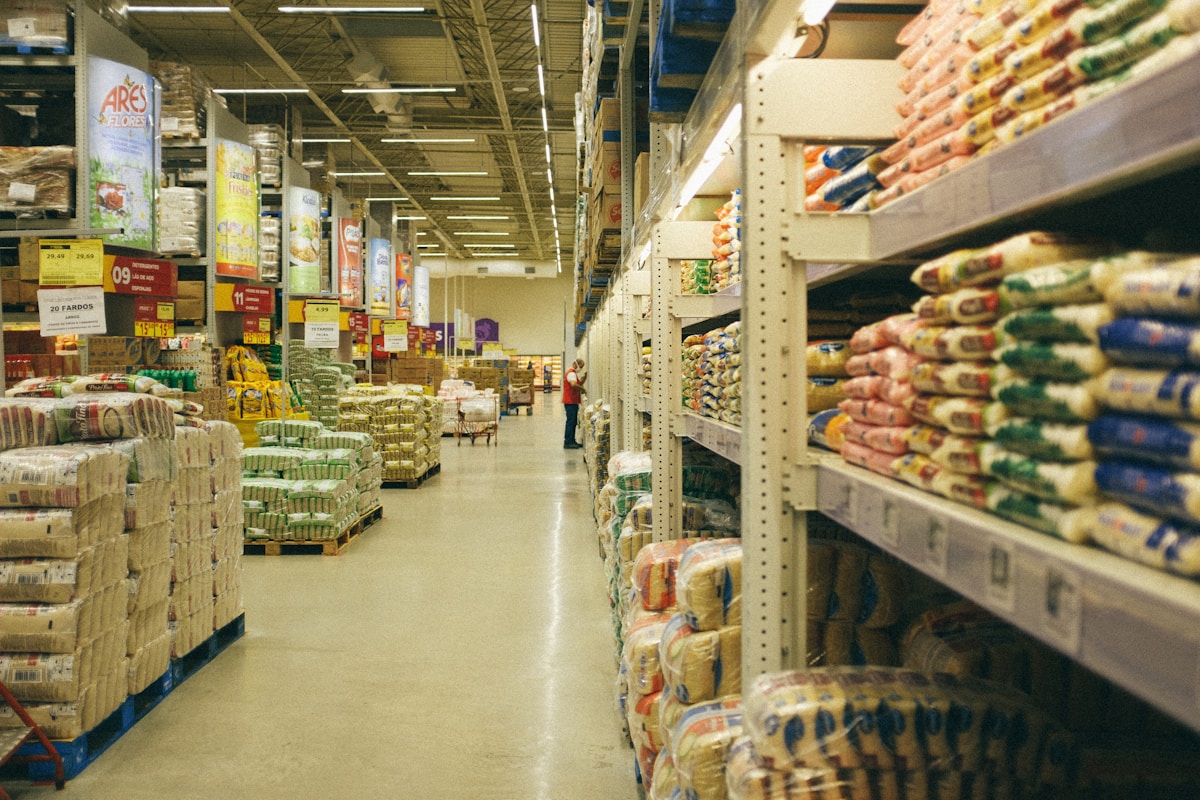
If you’ve ever felt the thrill of walking into a Restaurant Depot, you know it’s a special kind of playground. It’s where you find the real stuff: sheet pans that don’t warp, food storage containers that last a decade, and giant bags of high-gluten flour that can transform your pizza game. It’s a bridge between the home kitchen and the professional one.
But a major shake-up on the business side of things could change that experience forever. The food distribution giant Sysco has proposed a massive $29 billion acquisition of Restaurant Depot’s parent company. On the surface, it’s just another corporate headline. But for those of us who rely on these stores for quality and value, it’s a big deal. Let’s break down what this really means for your pantry and your wallet.
What’s Actually Happening?
Think of the food supply chain as a massive river. Sysco is one of the biggest currents in that river, delivering food and supplies to tens of thousands of restaurants, hospitals, and schools. They are a “broadline distributor,” meaning they have a massive catalog and deliver directly to businesses. You’ve eaten food they’ve supplied, even if you’ve never heard of them.
Restaurant Depot, on the other hand, is the cash-and-carry warehouse you can actually walk into. It’s designed for small restaurant owners, caterers, and, thanks to their membership policy, serious home cooks. It’s where you go to buy the same tools and ingredients the pros use, without the massive delivery minimums.
The proposed deal means the giant river (Sysco) wants to swallow the accessible tributary (Restaurant Depot). This is a classic case of “consolidation,” where fewer, bigger companies control more of the market. And history tells us that’s not always great for the little guy. In 2015, the Federal Trade Commission (FTC) actually blocked Sysco from buying a similar competitor, US Foods, for this very reason: it would kill too much competition.
The Real Impact on Your Gear and Groceries
So, why should you, the person perfecting your sourdough or stocking up for a big family barbecue, care about a corporate merger? It boils down to two things: choice and price.
Kitchen Gear: Restaurant Depot is my go-to for what I call “buy-it-for-life” equipment. We’re talking about:
- Heavy-Gauge Aluminum Sheet Pans: The kind from brands like Vollrath or Winco that cost about $8-10 and will never buckle at 450°F (232°C).
- Cambro Food Storage Containers: Those clear, polycarbonate squares with the red markings are the gold standard for a reason. They don’t stain, crack, or hold odors.
- Commercial-Grade Whisks, Spatulas, and Tongs: They’re not fancy, but they are indestructible.
A merger could streamline inventory to maximize profits. This might mean fewer brand choices. That no-name, high-value sheet pan you love could be replaced by a single, potentially lower-quality but higher-margin option. The niche, pro-level gear gets squeezed out in favor of mass-market appeal.
Pantry Staples: This is where the impact could be even more direct. Restaurant Depot is a haven for bulk ingredients that offer superior quality.
- Flour: A 50-pound bag of King Arthur Sir Lancelot High-Gluten Flour is a baker’s dream. Less competition could mean higher prices for these specialty items.
- Cheese & Dairy: Where else can you get a giant block of low-moisture, whole-milk mozzarella that melts perfectly on pizza? Or a gallon of heavy cream for a fraction of the supermarket price?
- Oils & Spices: The value on large containers of extra virgin olive oil or whole black peppercorns is unbeatable.
When one company controls a massive slice of the distribution pie, they have immense power over suppliers. This can lead to price increases that get passed directly on to you and, more critically, to the independent restaurant owners who are the lifeblood of the store.
Why Less Competition is Bad for Everyone Who Cooks
Imagine if there was only one company making cast iron skillets. Do you think they’d have much incentive to improve their quality or keep prices fair? Of course not. That’s the core problem here.
Competition forces companies to offer better products at better prices to win your business. When Restaurant Depot has to compete with other suppliers for a local pizzeria’s business, everyone benefits. The pizzeria gets a better price on cheese, and you get access to that same great cheese in the warehouse.
When Sysco, a company that already has enormous market power, absorbs a key competitor, that competitive pressure vanishes. It’s the independent restaurants that will feel the squeeze first. They operate on razor-thin margins, and a 10% increase in the cost of cooking oil or napkins can be devastating. When they struggle, the whole food community suffers.
A Practical Kitchen Hack and What You Can Do
This deal isn’t finalized, and it will face heavy scrutiny from the FTC. But it’s a good reminder not to put all your eggs in one basket. So here’s your practical takeaway.
My Tip: Build Your “Alternate Supplier” List. Don’t wait until your favorite source disappears or prices jump. Take an hour this week to research your other options. It’s a smart move, merger or not.
- Look for Other Local Restaurant Supply Stores: Most cities have at least one or two other supply shops that are open to the public. They might be smaller, but they often have hidden gems and competitive pricing. Search for “restaurant supply open to public near me.”
- Check Out Online Retailers: Websites like WebstaurantStore or The Restaurant Store are fantastic resources. Their shipping can sometimes be pricey, but if you’re buying a few heavy items (like a case of sheet pans or a new stockpot), it can be incredibly cost-effective.
- Re-evaluate Warehouse Clubs: Places like Costco or Sam’s Club have been upping their game with higher-quality ingredients like prime-grade beef and organic produce. Their kitchen gear selection is limited, but you might find a good deal on staples.
While this merger plays out in boardrooms and government offices, the best thing we can do is stay informed and support the businesses that give us choice. Keep shopping at Restaurant Depot, but also give that local supplier a try. And most importantly, keep supporting your local, independent restaurants. They are on the front lines of this battle, and they’re the ones who make our communities delicious.