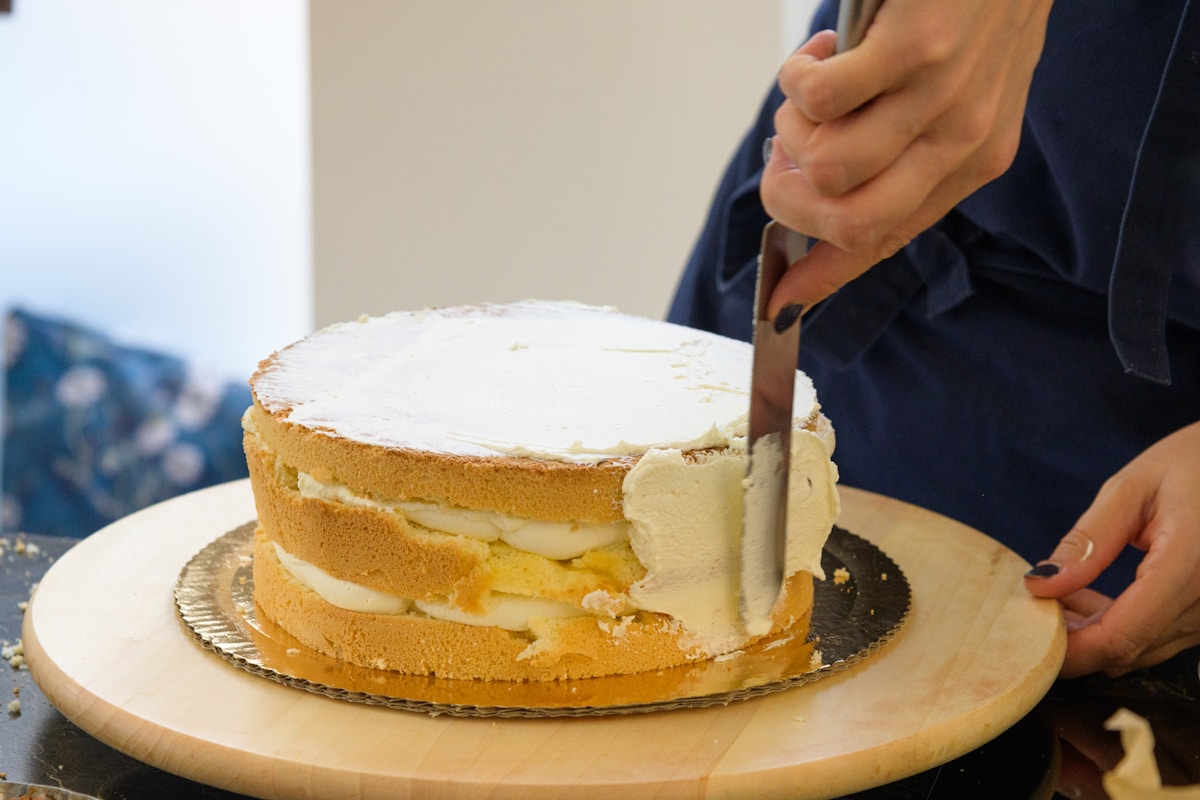
You’ve just finished frosting a three-layer vanilla cake with a silky Swiss meringue buttercream. It’s smooth, even, and begging for adornment. You picture it covered in delicate peonies and sprigs of lavender. But then a doubt creeps in: are these flowers safe to touch the frosting? Can the stems leach something nasty into the cake? The answer is a cautious “yes” — if you don’t take precautions. Fresh flowers can introduce pesticides, sap, and natural toxins into your dessert. But with the right techniques, you can create a stunning floral cake that’s as safe as it is beautiful.
Why Fresh Flowers on Cakes Can Be Risky
Most flowers sold at florists or grocery stores are grown with pesticides, fungicides, and fertilizers that are not food-safe. Even “organic” florist flowers may be treated with post-harvest dips containing chemicals. Additionally, some flowers contain natural toxins in their sap or petals. For example, hydrangea contains cyanogenic glycosides, and lily of the valley is highly toxic. The sap from poinsettias or daffodils can irritate skin and cause stomach upset. Even common garden roses, if not grown for consumption, may have been sprayed.
When you insert a cut stem directly into buttercream, any chemical residue on the stem can migrate into the frosting. This is why professional cake decorators never simply poke flowers into a cake. As recommended by Food52, the standard practice is to wrap the lower part of each stem with floral tape, then cover that with parchment paper or plastic wrap. The floral tape helps seal in sap, and the extra layer prevents any tape adhesive from contacting the cake.
The Professional Standard for Stem Protection
The most reliable method used by wedding cake artists involves three steps:
- Trim and seal: Cut the stem at an angle under running water (to keep the flower hydrated). Then immediately wrap the bottom 2–3 inches of the stem with floral tape (available at craft stores like Michaels or Joann). Floral tape is slightly sticky and stretches; wrap tightly, overlapping to create a waterproof seal.
- Add a food-safe barrier: After taping, wrap the same area with a small piece of parchment paper or food-safe plastic wrap. Parchment is less likely to leach anything, but plastic wrap is more secure. Some bakers use a combination: floral tape, then a snippet of parchment, then a final layer of tape to hold it. The key is that no part of the raw stem touches the cake.
- Use a plastic flower pick: Even better than wrapping is using a plastic flower stem pick (like Wilton’s Flower Picks, $5 for a pack of 12). These are hollow tubes with a pointed end that you insert into the cake. You simply place the wrapped stem into the pick. Some picks have a small water reservoir to keep flowers fresh.
Pro tip: If you’re using multiple flowers, insert all the picks first, then arrange the stems. This minimizes handling of the cake and reduces the chance of the wrapping slipping off.
Edible Flowers: A Safer Alternative
The safest option is to use flowers specifically grown for culinary use. Look for edible flowers at farmers’ markets, specialty grocers, or online from suppliers like Mountain Valley Growers or Melissa’s Produce. Common edible flowers include roses, pansies, violets, calendula, nasturtium, borage, and lavender. Even then, you should still protect the stems. The petals themselves are safe, but the stem can carry soil and bacteria. Wash edible flowers gently in cool water and pat dry. For petals-only decorations, you can simply scatter them on top without stem issues.
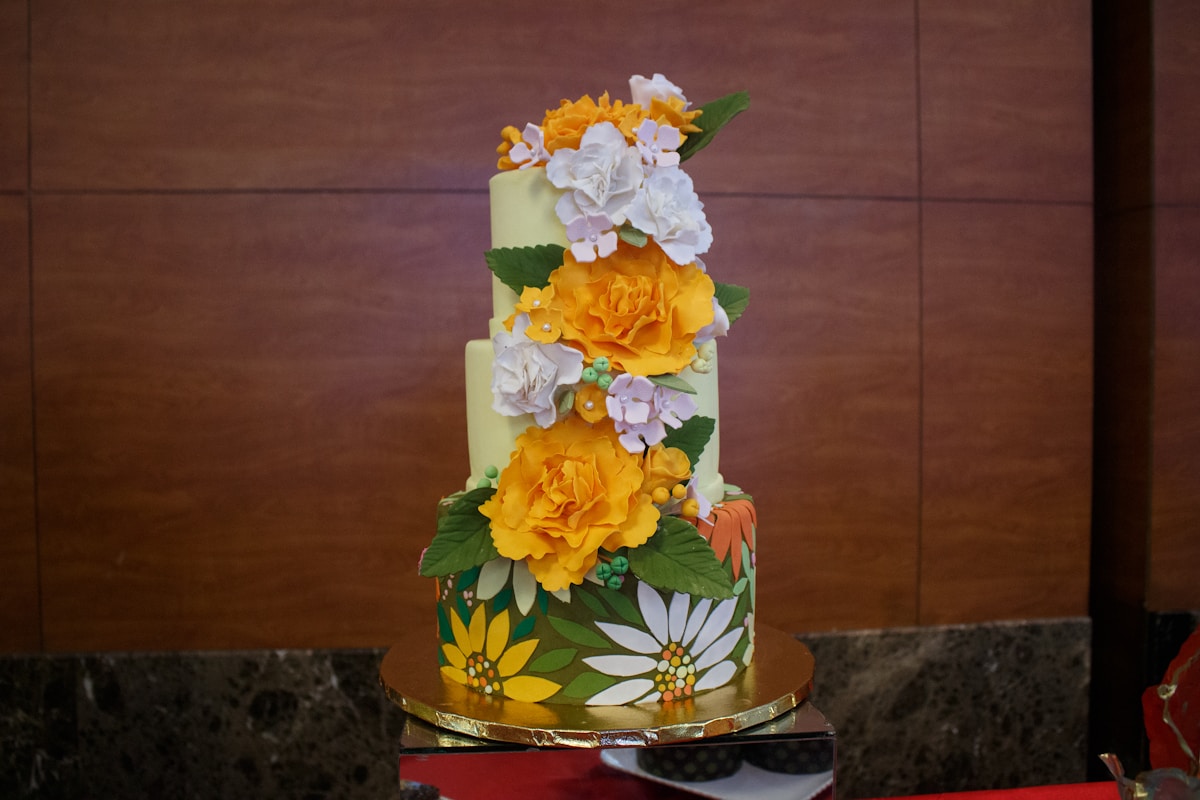
Note: Some bakeries use sugar paste flowers made from gum paste, which are completely food-safe and last indefinitely. But if you crave real blooms, edible flowers from trusted sources are the way to go.
How to Prevent Flowers from Wilting on the Cake
Cut flowers continue to transpire water, which can cause them to droop on your cake. To keep them perky:
- Use a water pick: As mentioned, picks with a water reservoir (e.g., AquaPicks or FloraStems) allow stems to drink while inserted. These are especially useful for events where the cake sits out for hours.
- Refrigerate until serving: If your cake uses buttercream or cream cheese frosting, you can refrigerate it up to a few hours before the event. The cool temperature slows water loss from the flowers. However, avoid condensation forming on the cake; bring it out 30–60 minutes before serving to warm up.
- Insert flowers just before serving: For maximum freshness, prepare the stems with protection and keep the flowers in a vase of water. Only arrange them on the cake right before presentation. This is the method most professional decorators prefer for photoshoots and weddings.
Troubleshooting Common Flower Cake Disasters
- Brown sap leaking into buttercream: If you see discoloration near a stem, the wrapping failed. Immediately remove the flower, scrape the affected frosting, and replace with a fresh dollop. Prevent this by using extra tape and a tight plastic wrap.
- Flowers wilting after an hour: The stems may be too short to reach a water source. Use a longer pick with water, or re-cut stems and place them in a pick filled with water. Also, avoid placing flowers near heat sources or direct sunlight.
- Buttercream stained by petals: Dark petals like deep red roses or purple pansies can bleed color into white frosting, especially if the cake is exposed to moisture. To prevent this, place a small piece of parchment paper under each petal that contacts the frosting, or use edible flowers that are less likely to bleed (like yellow or white ones).
- Allergic reactions: Even edible flowers can cause mild reactions in sensitive individuals. Always label your cake if it contains flowers and inform guests. If you’re unsure about a flower, remember the golden rule: only put flowers on a cake that you would eat yourself.
The Bottom Line
You don’t need to sacrifice beauty for safety when decorating cakes with fresh flowers. With a few minutes of stem protection — floral tape, parchment, and a pick — you can eliminate the risk of toxins and sap contaminating your dessert. For the most peace of mind, seek out edible flowers from reliable growers and always wash them gently. Your next showstopper cake can be both a visual masterpiece and a safe, delicious treat.