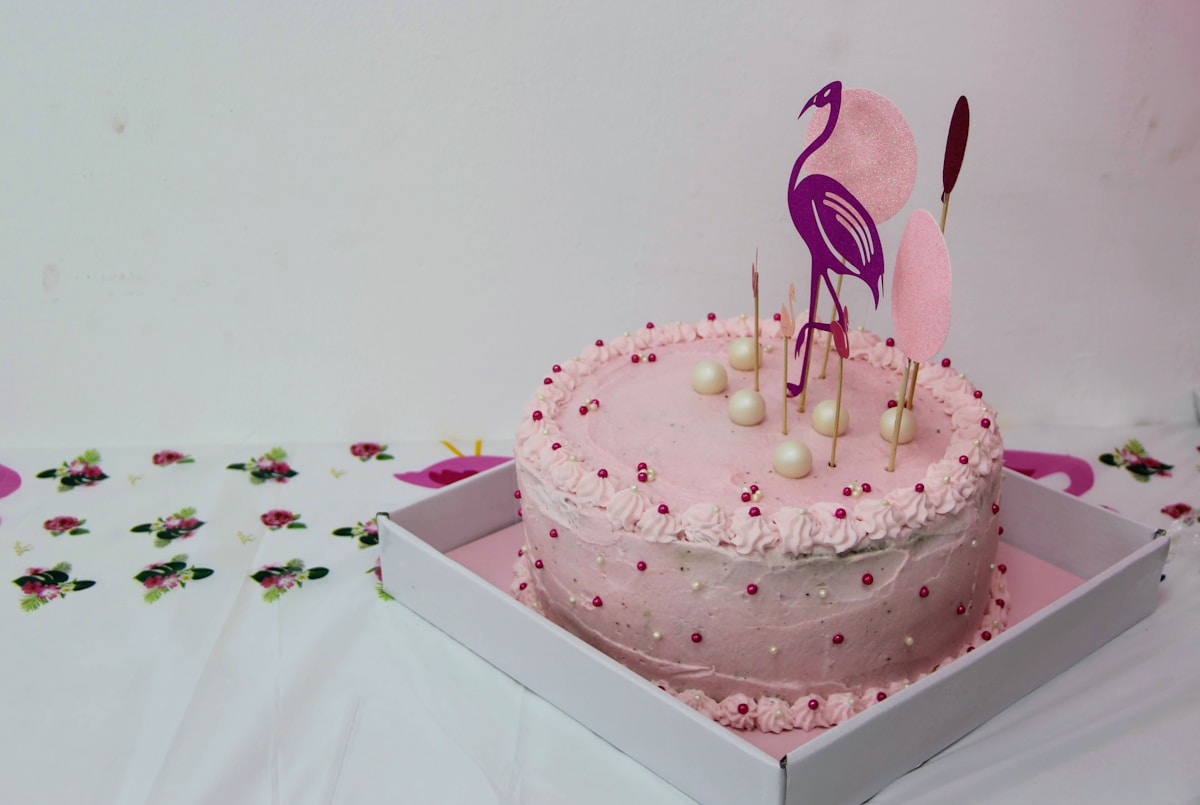
The phone rings. On the other end is a loved one—panicked, hopeful, and asking for a miracle. Their baker cancelled, the wedding is next week, and they have 150 guests expecting cake. Could you… possibly… help? Before you hang up in a cold sweat, take a breath. Baking for a crowd of this size is less about professional pastry skills and more about project management, smart choices, and a whole lot of love. It’s a monumental task, but it’s also one of the most meaningful gifts you can give.
Here at kitchen-fun.com, we believe food tells a story. And the story of a celebration cake is one of joy, community, and coming together. Let’s walk through how you can write a beautiful, delicious chapter for your friends or family, even when you’re short on time and high on pressure.
The Blueprint for a Baking Marathon
First, let’s be realistic. You are not going to create a five-tier, sugar-flower-draped masterpiece in a week from your home kitchen. And that’s okay! The goal is a delicious, beautiful cake that stands tall and serves everyone. The key is to think like a caterer.
Your biggest constraints are time, oven space, and refrigerator space. A cake that serves 150 people is enormous. Instead of trying to bake and assemble one towering confection, embrace the professional’s best-kept secret: the “display and serve” strategy.
This involves creating a smaller, beautiful tiered cake that serves as the centerpiece for photos and the ceremonial first cut. This could be a lovely three-tier cake (perhaps a 6-inch, 8-inch, and 10-inch round) which serves around 75 people. For the other 75 guests, you’ll bake simple sheet cakes in the same flavor. These are kept in the venue’s kitchen, pre-sliced, and served out to guests efficiently. No one will know the difference, and you will save yourself an immense amount of structural stress.
Before you buy a single egg, map out your schedule. Work backward from the event time:
- 3-4 Days Out: Bake the cake layers. Once cooled, wrap them tightly in plastic wrap (twice!), then in foil, and freeze them. Freezing not only preserves freshness but makes the cakes much easier to handle and carve.
- 2 Days Out: Make your buttercream. You will need a massive quantity, so be prepared. A stand mixer like a KitchenAid is almost essential here. Store the buttercream in airtight containers.
- 1 Day Out: The big assembly day. Remove cakes from the freezer. Level, fill, and crumb coat each tier. Chill thoroughly. Then apply the final coat of buttercream and get your decorations in place. The entire cake must be chilled overnight (at least 12 hours) before transport.
The Science of a Stable and Delicious Cake
When a cake has to survive transport and sit out at a venue, structure and stability are more important than delicate, fussy flavors. This is not the time for airy angel food cakes or whipped cream fillings.
For the Cake: Choose a sturdy, reliable recipe. A classic butter cake or a dense chocolate cake are fantastic options. Many bakers swear by “doctored” cake mixes for their consistency and moistness in these high-pressure situations. A recipe using oil instead of butter will often yield a moister cake that holds up well.
For the Frosting: You are entering the great buttercream debate. For a large event, there is a clear winner.
- American Buttercream: Made of powdered sugar, butter, and milk. It’s incredibly easy and quick to make. However, it is very sweet and, most importantly, not heat-stable. In a warm room (anything over 75°F / 24°C), it will begin to soften and sag. (Not what you want.)
- Swiss Meringue Buttercream (SMBC): Made by heating egg whites and sugar over a water bath, whipping them into a meringue, then slowly adding butter. It’s more work, but the result is a silky-smooth, less-sweet frosting that is remarkably stable. It holds its shape beautifully and is the standard for professional wedding cakes for a reason. This is the choice that will give you peace of mind.
For fillings, the simplest solution is to use the same Swiss Meringue Buttercream. A layer of raspberry jam or lemon curd is also lovely, but make sure you create a stiff “dam” of buttercream around the edge of the cake layer to prevent the filling from oozing out. Avoid anything that requires constant refrigeration, like custards or cream cheese mousse.
Building Your Edible Masterpiece
Assembling a tiered cake is an exercise in engineering. Gravity is not your friend, but with the right techniques, you can defy it.
1. The Foundation is Everything: Your cake needs to be perfectly level. Use a long, serrated knife to carefully slice off any domed tops from your cake layers. A flat cake is a stable cake.
2. The Crumb Coat is a Non-Negotiable Hack: After filling your layers, apply a very thin, almost transparent layer of buttercream over the entire outside of the cake. This is your “crumb coat.” Its job is to trap every single loose crumb. Once coated, place the cake in the refrigerator for at least 30 minutes until the buttercream is firm to the touch. When you apply your final, beautiful coat of frosting, it will be perfectly clean and crumb-free. (Trust me, this step is magic.)
3. Dowels are Your Best Friend: You cannot simply stack cakes on top of each other. The weight of the upper tiers will crush the lower ones. Each tier needs its own internal support system. You can buy plastic or wooden dowels from any craft store. Here’s how to use them: * For the bottom tier (the one that will support another cake on top), insert a dowel straight down into the center of the cake until it hits the cake board. * Mark the dowel just at the top of the icing, pull it out, and cut it to that exact size. This is your guide. * Cut 4-5 more dowels to the same length. * Insert them into the cake in a circle, about an inch inside where the next tier will sit. * This creates an internal “table” that will hold the full weight of the cake above it. Repeat for every tier that will be supporting another.
The Nerve-Wracking Journey to the Party
Transporting the cake is often the most stressful part of the entire process. A chilled cake is a strong cake, so do not take it out of the refrigerator until the absolute last minute before you leave.
Ideally, you should transport the tiers in separate boxes and do the final stacking at the venue. This is the safest method. If you must transport it fully assembled, here are the rules:
- The Car: The floor of the passenger seat or the back of an SUV is best. It needs to be a flat, level surface. Never put a cake on a slanted car seat.
- Temperature: Turn your car’s A/C on to its coldest setting well before the cake goes in. A cold car is essential.
- Traction: Place a non-slip mat (the kind you use for lining shelves) under the cake box to prevent it from sliding.
- Drive Slowly: This is not the time for sudden stops or sharp turns. Drive like you’re carrying a precious, edible baby.
Pack a small emergency kit for on-site repairs. This should include an offset spatula, a piping bag with extra buttercream, some paper towels, and any final decorations like fresh flowers or a cake topper. Small smudges or dings can be easily fixed once you’re safely at the venue.
When you finally place that cake on the table, take a moment to admire your work. You took on a massive challenge and created something beautiful. A celebration cake is so much more than dessert; it’s a centerpiece of memory, an act of love, and a story told in flour and sugar. And you, my friend, are the author of a very happy ending.