You’ve seen it. That final, dramatic flourish from a chef on TV, raining down what looks like tiny, glittering snowflakes onto a perfectly seared steak. Or maybe you’ve seen the small, elegant box in the gourmet aisle of your grocery store, sporting a price tag that makes you wonder if the salt was mined from a diamond vein. That’s usually Maldon Sea Salt, and the question I get all the time is simple: is it just overpriced salt?
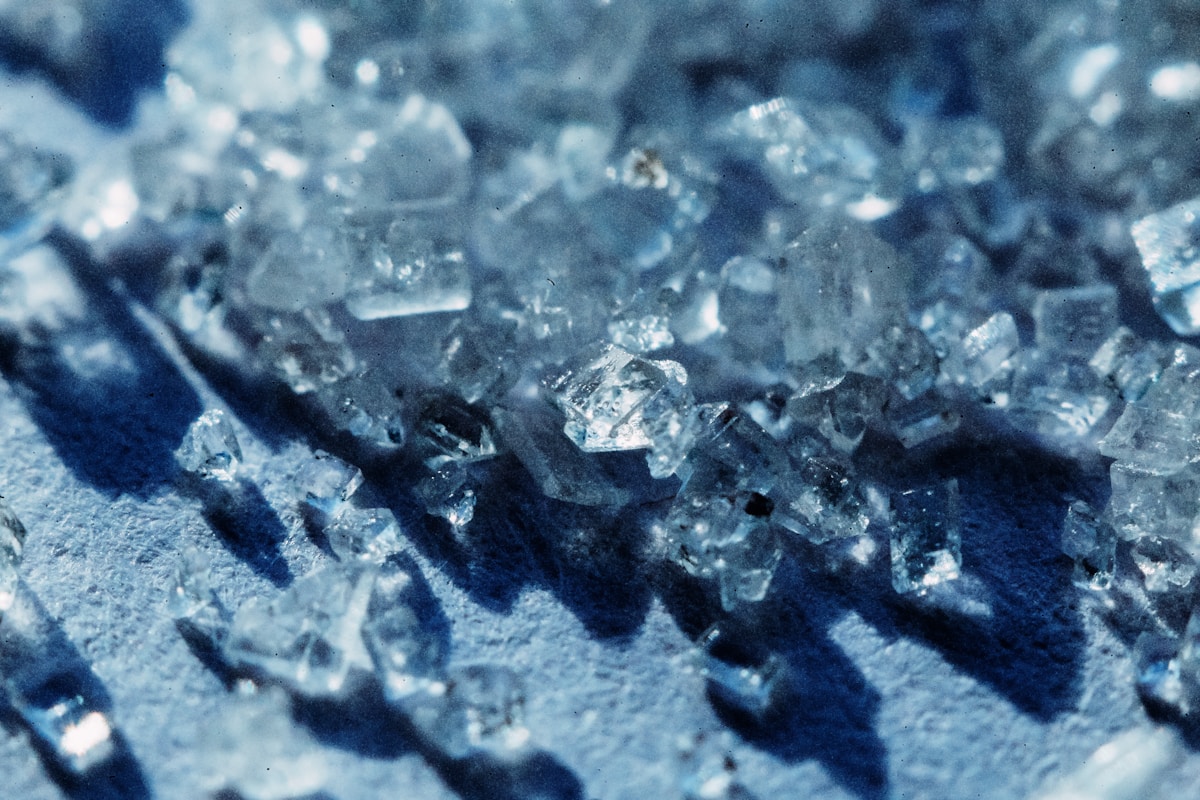
Recently, a picture of a freakishly large Maldon salt crystal went viral, and it kicked off this exact debate all over again. Is it a scam, or is there something genuinely special about it? As someone who has tested more kitchen gear and ingredients than I can count, my philosophy is always about value. The right tool makes the job better, but the most expensive tool isn’t always the right one. So, let’s put on our lab coats, break down the science of salt, and figure out if that fancy box deserves a spot in your pantry.
Salt is Salt… Except When It’s Not
Let’s get the big chemical fact out of the way first: at its core, table salt, kosher salt, and fancy finishing salt are all sodium chloride (NaCl). If you dissolve them all in a glass of water, the water will taste salty in roughly the same way. The magic, and the justification for the price, isn’t in the chemical makeup. It’s in the crystal structure.
Think about it like this: carbon can form both soft graphite for your pencil and an ultra-hard diamond. Same element, different structure. Salt works on a similar principle, just for your palate.
- Table Salt: This is what most people have in their shakers. The crystals are tiny, dense cubes, often with iodine added (hence, “iodized”). It dissolves very quickly and is hard to pinch evenly, which is why chefs rarely use it for seasoning by hand.
- Kosher Salt: This salt has larger, more irregular flakes. It was originally used for koshering meat because the flake shape was good at drawing out moisture. Chefs love it because it’s easy to grab a pinch, control the seasoning, and it dissolves cleanly without the slight metallic taste some people get from iodized salt. (We’ll get to the Diamond Crystal vs. Morton’s debate another day.)
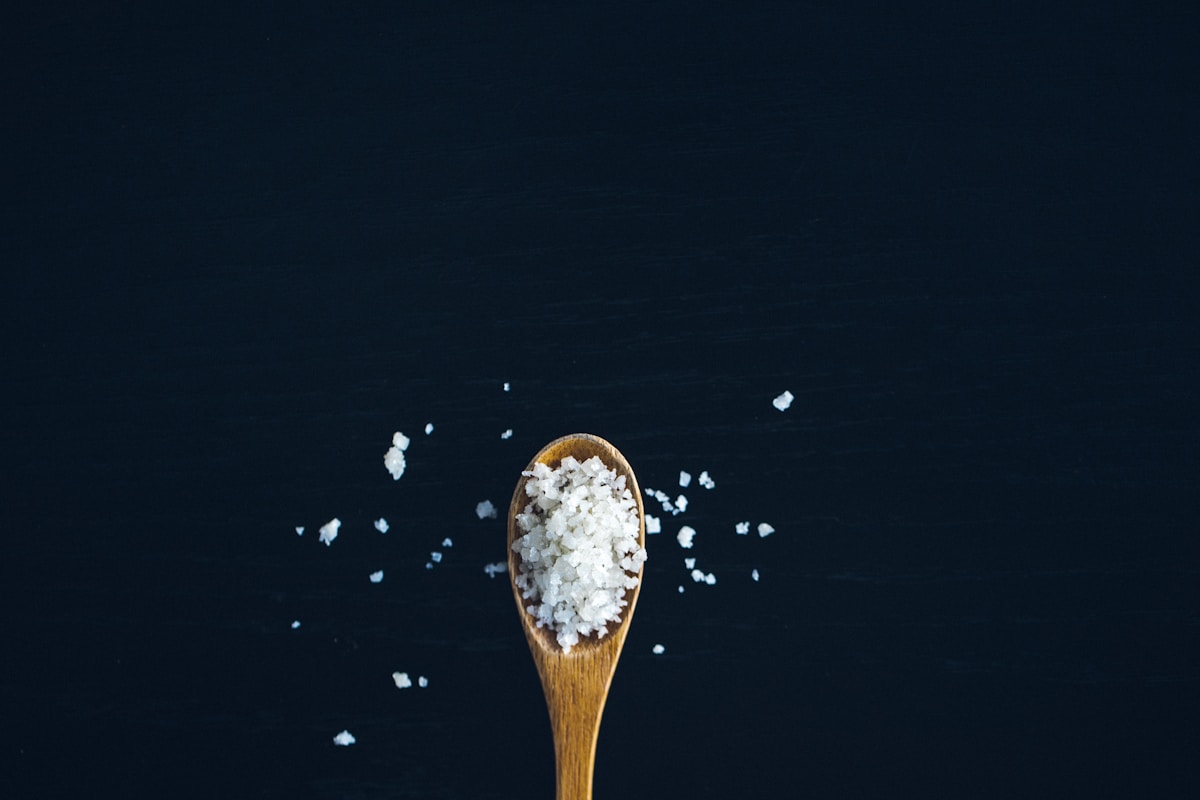
- Maldon Finishing Salt: This is the star of our show. Maldon salt is harvested from seawater in Essex, England, using a traditional process that involves heating the brine until delicate, pyramid-shaped crystals form on the surface. These crystals are hollow and incredibly fragile. They aren’t meant for dissolving; they’re meant for crunching.
So, when you pay for Maldon, you’re not paying for a “saltier” salt. You are paying for a unique texture that no other type of salt can replicate. It’s a condiment, not just a seasoning.
The Real-World Test: Texture, Taste, and That Satisfying Crunch
To really understand the difference, you have to use it. I did a simple side-by-side test on a few common foods to see where Maldon truly shines and where it’s a total waste of money.
First up: a simple slice of ripe tomato. I sprinkled one half with Diamond Crystal kosher salt and the other with Maldon flakes. The kosher salt dissolved almost instantly, seasoning the tomato nicely. The Maldon, however, sat on top. When I took a bite, I got the bright acidity of the tomato, the base saltiness, and then a distinct, satisfying crunch followed by a tiny, concentrated explosion of salt. It was a completely different eating experience. The texture added a new dimension.
Next, a seared ribeye steak, rested and sliced. Again, kosher salt on one side, Maldon on the other. The kosher salt did its job perfectly, enhancing the beefy flavor. But the Maldon side was more exciting. The little pyramids of salt clung to the meat’s crust, providing a textural contrast to the tender beef. That crunch makes every bite feel a little more deliberate, a little more special.
Finally, I tried salting a pot of boiling water for pasta. I used cheap iodized salt for one pot and, for the sake of science, a few tablespoons of Maldon in another. The result? Absolutely zero difference. (Yes, really.) Once those delicate pyramids hit the boiling water, they dissolved instantly, their unique structure gone forever. It was like melting a Faberge egg to make scrambled eggs—a tragic waste of a beautiful thing.
This is the most critical takeaway: Maldon is for finishing, not for cooking.
When to Use Maldon (and When to Save Your Money)
Think of Maldon salt as the culinary equivalent of a perfectly chosen accessory. You don’t wear a fancy watch to go gardening. You have to pick your moments. Here’s a practical guide.
Absolutely Use Maldon For:
- Steaks and Chops: Sprinkle it on after cooking and resting. The crunch against the crust is a classic steakhouse move you can easily do at home.
- Roasted Vegetables: A pinch over roasted asparagus, broccoli, or potatoes just before serving adds a pop of texture and flavor.
- Salads: Instead of mixing salt into the dressing, a light sprinkle over the top keeps the flakes intact and gives you little bursts of seasoning as you eat.
- Baked Goods: This is my favorite kitchen hack. A few flakes on top of warm chocolate chip cookies or brownies right out of the oven is a game-changer. The salt cuts through the sweetness and the texture is just sublime.
- Caramel and Chocolate: Drizzling caramel sauce over ice cream and finishing with Maldon is pure heaven. Same for a simple chocolate avocado mousse.
- Avocado Toast: Don’t even talk to me about avocado toast without a finishing salt. It’s essential.
Definitely Do NOT Use Maldon For:
- Salting Pasta Water: As we discovered, it’s a complete waste. Use your cheapest salt here.
- Soups, Stews, or Sauces: The salt is just going to dissolve. Kosher salt is your best friend for seasoning the foundation of a dish.
- Brining: For brining a turkey or pork chops, you need a salt that dissolves easily and in large quantities. Kosher or even regular table salt is the right tool.
- Baking Inside a Recipe: When the recipe calls for 1 teaspoon of salt in the cookie dough or cake batter, use a fine-grained salt that will dissolve and distribute evenly. Finishing salt is for the top.
A Quick-Look Salt Comparison
Let’s put the main contenders in a table to make it crystal clear.
| Salt Type | Price Range (per oz) | Crystal Shape | Best For | The Catch |
|---|---|---|---|---|
| Morton Table Salt | $0.05 - $0.10 | Tiny, dense cubes | General baking, salting pasta water | Can have a slightly metallic taste; hard to pinch season. |
| Diamond Crystal Kosher | $0.15 - $0.25 | Irregular, hollow flakes | All-purpose seasoning, brining, general cooking | Less salty by volume, so you might need to use more. |
| Maldon Sea Salt Flakes | $1.00 - $1.50 | Large, hollow pyramids | Finishing steaks, salads, desserts, vegetables | Expensive; completely wasted if used in liquids or cooking. |
As you can see, you’re paying a significant premium for Maldon’s unique structure. It’s not an all-purpose salt, and it shouldn’t replace your trusty box of kosher salt.
Recipe Test: Brown Butter Cookies with a Salty Finish
Talk is cheap. Let’s make something where the salt can really perform. These cookies are fantastic, and the Maldon is non-negotiable.
You’ll Need:
- 1 cup (227g) unsalted butter
- 1 cup (220g) brown sugar, packed
- 1/2 cup (100g) granulated sugar
- 2 large eggs
- 2 tsp vanilla extract
- 2 1/2 cups (300g) all-purpose flour
- 1 tsp baking soda
- 1 tsp fine sea salt or kosher salt (for the dough)
- 12 oz (340g) semisweet chocolate chips or chunks
- Maldon Sea Salt Flakes (for finishing)
The Method:
- Brown the Butter: Melt the butter in a light-colored pan over medium heat. It will foam, then the milk solids will sink and start to brown. Swirl the pan until it smells nutty and is a deep amber color. Immediately pour it into a heatproof bowl to stop the cooking.
- Mix the Dough: Add both sugars to the warm brown butter and whisk well. Whisk in the eggs and vanilla. In a separate bowl, combine the flour, baking soda, and the fine sea salt. Add the dry ingredients to the wet and mix until just combined. Fold in the chocolate chips.
- Chill Out: Cover the dough and chill for at least 30 minutes, but up to 24 hours. (Your future self will thank you for the deeper flavor.)
- Bake: Preheat your oven to 375°F (190°C). Scoop balls of dough onto a parchment-lined baking sheet. Bake for 10-12 minutes, until the edges are golden but the centers are still soft.
- The Final Flourish: This is the moment. As soon as the cookies come out of the oven, sprinkle a few flakes of Maldon salt over the top of each one. The heat will help them adhere slightly. Let them cool on the pan for a few minutes before moving them to a wire rack.
The result is a cookie with nutty depth from the butter, rich chocolate, and then—BAM—that perfect little crunch of salt that elevates the whole experience from great to unforgettable.
The Verdict: Should You Buy Maldon Salt?
After all the testing, here’s my direct, practical advice: Yes, Maldon salt is worth it, but only if you view it correctly. It is not an everyday salt. It is a special-occasion ingredient, a finishing touch, a textural element that can make a simple dish feel luxurious.
A single $8 box will last a home cook for months, maybe even a year, if used properly. When you break it down per dish, the cost is pennies. It provides more value in terms of elevating a dish than many other far more expensive gourmet ingredients.
Don’t replace your kosher salt. That’s your workhorse. But consider adding a small box of Maldon to your pantry. Use it wisely, and it will deliver a satisfying crunch and a burst of flavor that proves that sometimes, it’s the little details that make all the difference in the kitchen.