Here at kitchen-fun.com, my job is to test gear, not just praise it. But every now and then, a question comes up about an ingredient that acts like gear. An ingredient that performs a specific, mechanical job in your cooking. Today, that ingredient is Maldon Sea Salt, and the question comes straight from the jumbo-sized aisles of Costco: is buying a 1.5-kilogram tub of finishing salt actually a good idea?
You’ve seen it. Maybe you’ve even circled it with your cart, done some quick mental math, and wondered if you’re a “bulk finishing salt” kind of person. A recent post on Reddit showing a massive, single salt crystal found in one of these tubs got everyone talking again. So, let’s cut through the hype, look at the numbers, and figure out if this bulk buy is a kitchen win or a future countertop tragedy.
First What Makes Maldon Salt Different Anyway?
Before we can talk about quantity, we have to understand quality. If you think salt is just salt, you’re missing out on one of cooking’s most important tools for creating texture. Your standard canister of fine-grain table salt is designed to do one thing: dissolve instantly and season food from the inside out. Kosher salt, with its larger, coarser grains, is better for seasoning during the cooking process because it’s easier to pinch and distribute.
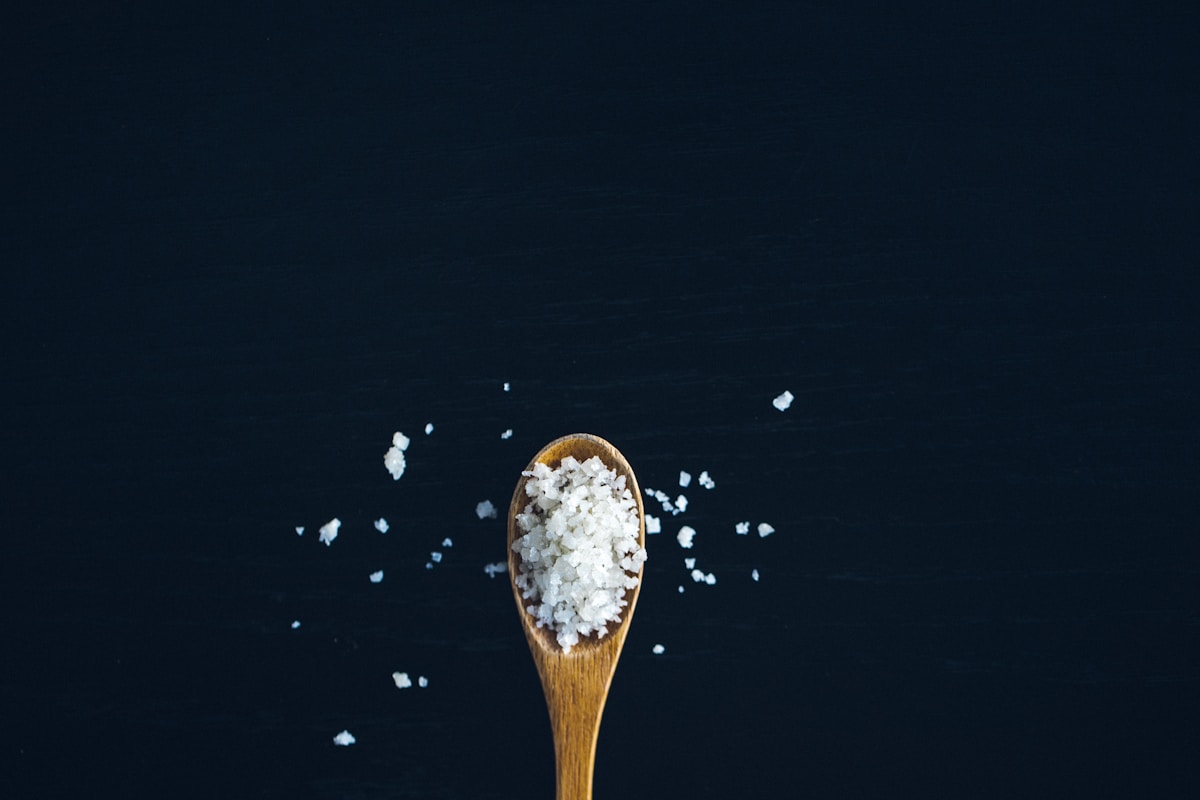
Finishing salt is an entirely different beast. Maldon, the king of finishing salts since 1882, is harvested in a way that creates unique, pyramid-shaped hollow flakes. It is not meant to be cooked with. You sprinkle it on food right before it hits the table.
Why? Two reasons:
- Texture: That pyramid shape provides an audible, satisfying crunch. When you bite into a steak, a salad, or a chocolate chip cookie topped with Maldon, you get this incredible textural contrast between the soft food and the crisp, delicate flake.
- Flavor Burst: Instead of dissolving evenly, these flakes sit on the surface, delivering a clean, bright pop of salinity that enhances the food’s flavor without making the entire dish salty.
So, when we talk about Maldon, we’re really talking about a texture ingredient. And that texture is incredibly fragile. (Remember that, it’s the most important part of this whole discussion.)
The Bulk Buy Breakdown The Numbers Game
My core philosophy is about value, not just price. But let’s start with the price, because the difference is compelling. Here’s a typical breakdown you might see, though prices fluctuate.
-
Standard Supermarket Box:
- Size: 8.5 oz (240g)
- Typical Price: $6 - $8
- Price per Ounce: Approximately $0.70 - $0.94
-
Costco Bulk Tub:
- Size: 1.5 kg (53 oz)
- Typical Price: $20 - $25
- Price per Ounce: Approximately $0.38 - $0.47
On paper, this is a no-brainer. You’re potentially paying less than half the price per ounce for the exact same product. For anyone who uses Maldon regularly, the savings are significant over the course of a year. If you buy four small boxes a year, you’ve already spent more than the cost of one giant tub that contains over six times the amount. The value proposition is undeniable, but it comes with one massive catch.
The Big Risk Moisture The Undisputed Enemy of the Flake
Salt is hygroscopic. That’s a fancy science word meaning it actively attracts and absorbs water molecules from the air. This is the fatal flaw in the bulk-buy plan for most people.
When Maldon flakes absorb moisture from a humid kitchen—steam from a boiling pot, the open window on a rainy day, the dishwasher running—their delicate pyramid structure collapses. The flakes clump together, the crunch disappears, and your expensive, textural finishing salt effectively turns into a tub of damp, regular salt. You’ve lost the very quality you paid a premium for.
An 8.5 oz box is small enough that most dedicated home cooks will use it up before it has a chance to turn. A 1.5 kg tub? That could sit in your pantry for years. Every time you open it, you introduce more air and more moisture. It’s a race against time and humidity that many kitchens are destined to lose.
Kitchen Hack: The Decanting Method If you do decide to go for the bulk tub, you absolutely cannot use it as your daily salt container. Treat it like a strategic reserve. Here’s the only way to do it right:
- Buy the tub and a small, airtight salt cellar or salt pig (a ceramic container with a wide opening).
- The day you get the tub home, open it once. Fill your small salt cellar with a week or two’s worth of salt.
- Seal the big tub immediately. I mean tightly. Make sure the plastic lid snaps on all the way around.
- Store that tub in the driest, darkest place in your home. A back of a pantry is good. A cabinet above your stove is the worst possible place. (Yes, really.)
- Refill your small cellar as needed, minimizing the number of times you open the main supply.
This method gives you the best chance of preserving the texture and saving money. But it requires discipline.
Who Should Actually Buy the Bulk Tub?
So, who is the ideal candidate for the jumbo tub of Maldon? Be honest with yourself. Do you fit this profile?
- The Avid Baker: You regularly bake things that get a salty finish. Think homemade pretzels, rustic sourdough loaves, salted caramel anything, or those New York Times chocolate chip cookies that are naked without a sprinkle of flakes.
- The Grill Master: You finish every steak, pork chop, and grilled fish fillet with a generous pinch of salt. You understand that a finishing salt is as important as a good sear.
- The Entertainer: You host dinners frequently and go through ingredients faster than the average household. You’re constantly making big salads, roasted vegetable platters, and other dishes that benefit from that final flourish.
- The Large Household: You have a family of food lovers who all appreciate good seasoning. Your salt cellar is always running empty.
If you don’t see yourself in at least one of these descriptions, the bulk tub is probably a bad investment for you. The risk of waste is just too high.
The Final Verdict Spend Your Money Wisely
After laying it all out, my recommendation is clear.
For the vast majority of home cooks, the standard 8.5 oz box is the smarter purchase. It guarantees that you are always using fresh, crunchy, perfectly-formed salt flakes. You will never have to worry about humidity or waste. You pay a bit more per ounce, but you get 100% of the product’s intended performance, from the first pinch to the last.
However, if you are a confirmed, high-volume user who fits the profile above and you are willing to follow the strict storage rules, the Costco tub is an excellent value. It frees you up to use this wonderful ingredient generously without wincing at the cost every time you reach for it.
This isn’t about being cheap or extravagant. It’s about being practical. The right tool makes cooking easier, but that tool has to be in good condition to work. Don’t let the allure of a good deal trick you into buying three years’ worth of an ingredient that might only last six months in your kitchen environment. Buy the amount you’ll actually use, and enjoy every single crunchy bite.