You’re standing in the kitchen aisle, or maybe you’re scrolling online. On one side, you see a classic, black, 10-inch cast iron skillet for about twenty-five bucks. On the other, a sleek, smooth, artisanal cast iron skillet with a beautiful handle and a price tag north of $150.
They’re both just heavy chunks of iron, right? What could possibly justify that price difference? And more importantly, which one should you, a cast iron beginner, actually buy?
As the guy who has tested, seasoned, stripped, and re-seasoned more pans than I can count, I’m here to tell you something that might surprise you: the expensive one is probably the wrong choice. Let’s cut through the marketing noise and talk about what really matters when you’re starting your cast iron journey.
The Allure of Boutique Iron (And Why You Should Wait)
First, let’s give the high-end pans their due. Brands like Field Company, Stargazer, or Smithey aren’t just selling snake oil. Their skillets are genuinely different. They are typically lighter, which is a big deal when you’re maneuvering a pan full of hot oil. Their most celebrated feature is the cooking surface—it’s milled or polished to a satin-smooth finish, reminiscent of vintage Griswold or Wagner pans from a century ago.
This smoothness is fantastic for food release, especially for tricky things like eggs. They are often stunning pieces of craftsmanship, designed to be family heirlooms from day one.
So what’s the catch? That premium comes at a premium price. And for someone just learning the ropes of cast iron cooking, these features are luxuries, not necessities. The fundamental principles of cooking with cast iron—heat management and seasoning maintenance—are exactly the same whether your pan cost $25 or $250. The expensive pan won’t magically make you a better cook; in fact, the fear of damaging your pricey investment might make you too timid to learn properly.
Meet Your First Pan The Humble, Unbeatable Lodge
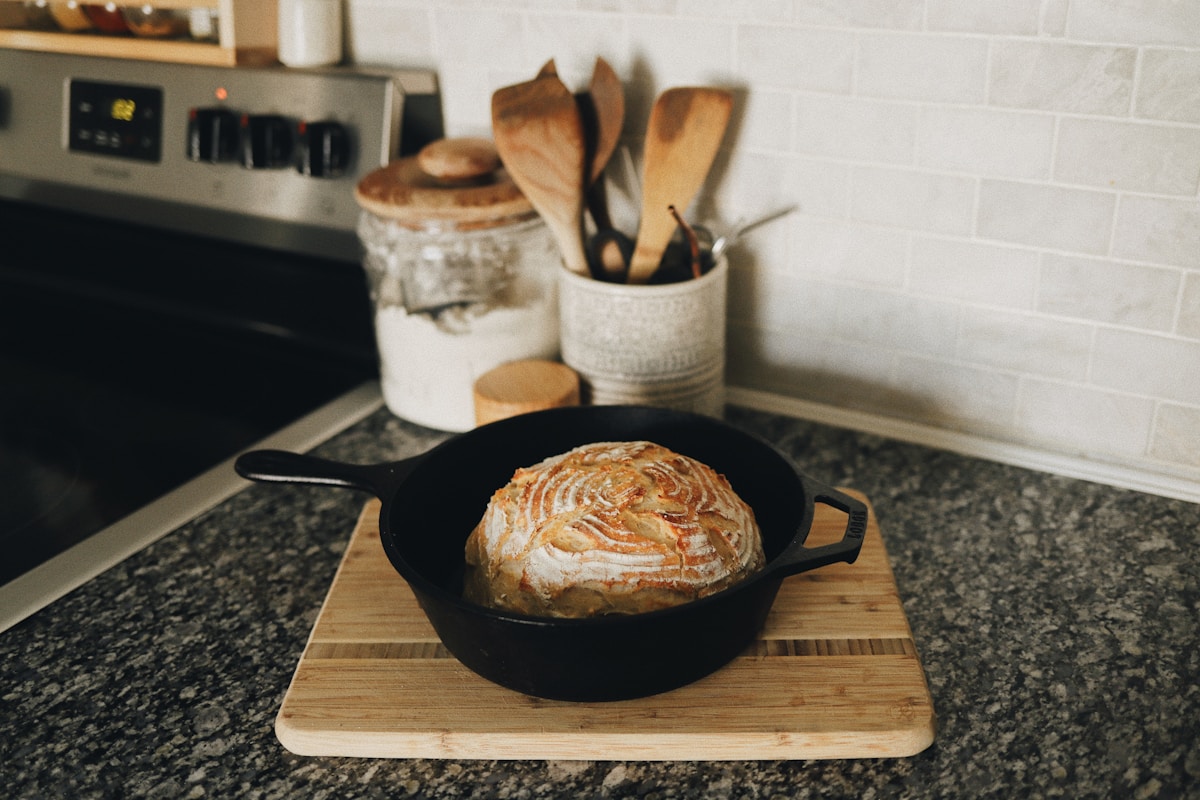
This brings us to the king of beginner cast iron: the Lodge Classic 10.25-inch skillet. There’s a reason you see this pan in countless home kitchens, professional kitchens, and campfire cooking setups. It is the undisputed workhorse of the cast iron world.
For around $20-$30, you get a pan that is virtually indestructible and will last for generations. Yes, it’s heavier than its boutique cousins. And yes, if you run your hand over the cooking surface, you’ll notice it has a slightly pebbly or sandy texture. This is a result of the modern sand-casting process Lodge uses, and it’s the single biggest difference between it and a high-end pan.
But here’s the secret: that texture doesn’t matter nearly as much as you think. Over time, as you cook in your Lodge and build up layers of seasoning (polymerized oil), that surface will fill in and become incredibly slick and non-stick. Your cooking creates the surface you desire.
Lodge pans also come pre-seasoned from the factory. This means they’ve been sprayed with vegetable oil and baked at a high temperature, so you can technically start cooking right out of the box. (My advice: give it a good wash and dry, then start with some high-fat foods to bolster that factory seasoning.)
The Real Skills You Need to Learn (And They’re Free)
The most beautiful pan in the world will still stick and rust if you don’t master two fundamental skills. Learning these on an inexpensive pan is a low-stakes, stress-free process. If you mess up, you scrape it down and start over. No big deal.
1. Temperature Control: This is the number one reason beginners fail with cast iron. They treat it like a thin aluminum pan and crank the heat to high. Cast iron is a dense material; it heats slowly but retains that heat like a brick oven. If you blast it with high heat, you create hot spots and incinerate your food before it has a chance to cook.
The Right Way: Place your skillet on the burner and turn the heat to low or medium-low. Let it preheat for a solid 5 to 10 minutes. This allows the heat to distribute evenly across the entire pan. How do you know it’s ready? Flick a drop of water on the surface. If it sizzles aggressively and evaporates instantly, it’s too hot. If it just sits there, it’s too cold. If it skitters and dances across the surface in a single little ball, you’ve hit the sweet spot.
2. Cleaning & Maintenance: Forget everything you’ve heard about cast iron being fussy. The rules are simple:
- Scrape: While the pan is still warm, use a flat-edged metal spatula or a plastic pan scraper to remove any stuck-on food bits.
- Rinse: Use hot water. A little bit of modern dish soap is perfectly fine for a well-seasoned pan, despite what the purists say. Just avoid harsh scrubbing or long soaks.
- Dry Completely: This is the most important step. Rust is the only true enemy of cast iron. You can dry it with a towel, but the foolproof method is to put it back on the stove over low heat for a few minutes until every last drop of moisture has evaporated. (Your future self will thank you.)
- Oil Lightly: While it’s still warm, pour a half-teaspoon of a neutral oil (like canola, grapeseed, or Crisco) into the pan. Use a paper towel to wipe a micro-thin layer over the entire cooking surface. It should look dark and glossy, not pooled or greasy. Store it in a dry place.
That’s it. That entire process takes less than two minutes. Master these steps on a $25 Lodge, and you’ll be able to cook on any piece of cast iron in the world.
Your First Cook What to Make (and Avoid)
To build up that crucial first layer of seasoning, you want to cook fatty foods. The rendering fat will polymerize on the pan’s surface, creating a natural, non-stick coating.
Great First Meals:
- Bacon or Sausage: The classic choice. The slow rendering of fat is like a spa day for your new skillet.
- Sautéed Onions and Peppers: Cook them in a generous amount of butter or oil until they’re soft and caramelized.
- Skillet Cornbread: A southern tradition for a reason. The batter, often rich with butter or bacon grease, bakes into the pan’s pores, creating a legendary crust and a better seasoning layer.
Foods to Avoid for the First Month:
- Acidic Foods: Tomato sauce, wine reductions, or lots of lemon juice can strip away a young, delicate seasoning layer. Wait until your pan has a deep, black, semi-glossy patina.
- Delicate Fish: A flaky cod fillet is more likely to stick to a new pan than a well-marbled steak.
- Sticky Sauces: Sugary glazes can be tough to clean until your seasoning is well-established.
The Verdict When Should You Upgrade?
So, is an expensive cast iron skillet worth it for a beginner? My answer is an emphatic no.
Buy the $25 Lodge. Cook with it. Make mistakes. Accidentally leave it wet and watch a spot of rust form, then learn the simple satisfaction of scrubbing it away with steel wool and re-seasoning it. Burn things. Get a perfect sear on a steak. Discover the magic of a one-pan dinner that goes from stovetop to oven.
One day, maybe a year or two down the line, you might decide you’re ready to upgrade. You’ll know it’s time when you use your pan daily, its surface is slick enough to fry an egg with just a dab of butter, and you find yourself wishing it were just a little bit lighter or smoother. At that point, buying a boutique skillet isn’t an entry ticket—it’s a well-earned luxury for a craft you’ve already mastered. The journey is what makes the tool special, and that journey starts with a humble, honest, and unbeatable workhorse.