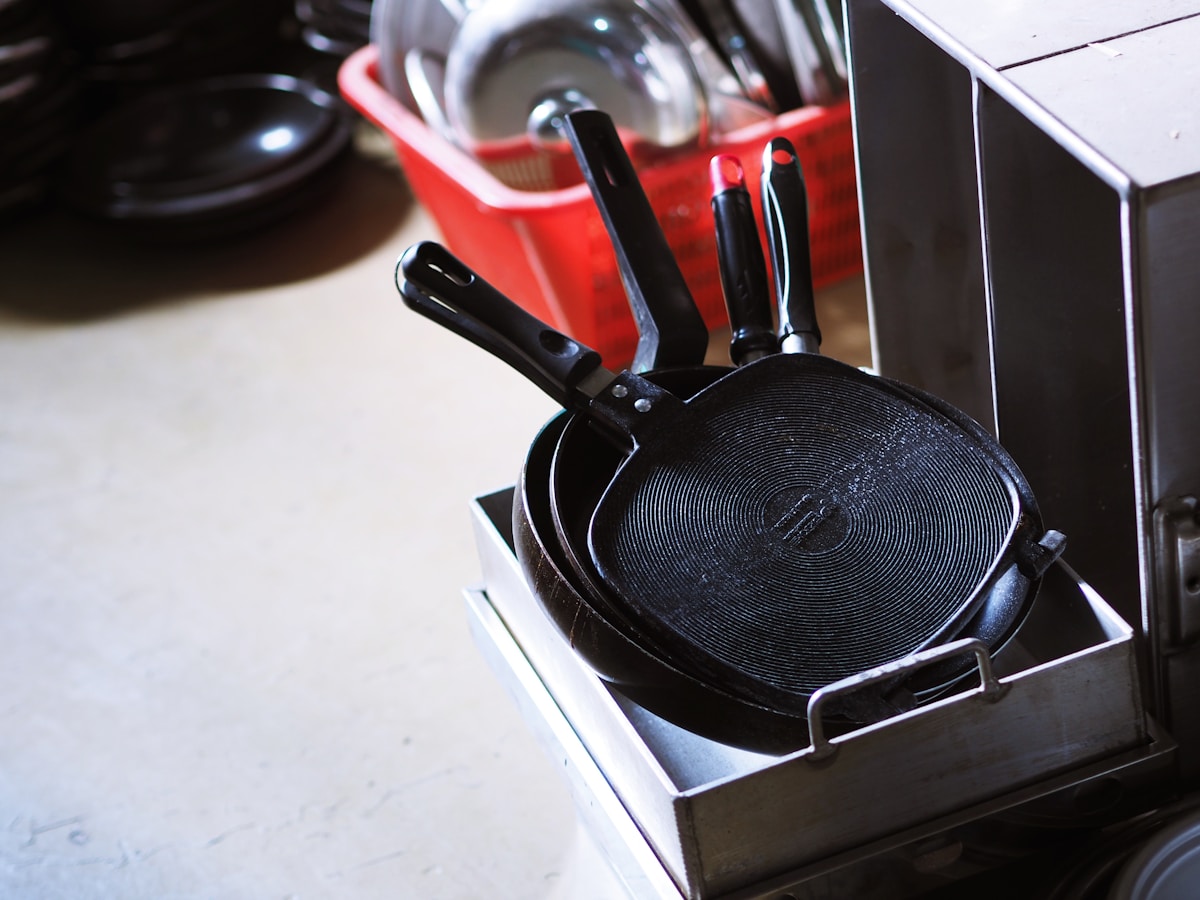
Walk through any high-end kitchen store, and you’ll see walls of shiny, multi-layered stainless steel and colorful enameled pans costing hundreds of dollars. Then, tucked away on a lower shelf, you’ll find it: a simple, heavy, black skillet. It looks almost ancient, and it costs less than a fancy dinner for two. This is the cast iron skillet, and for many new cooks, it’s the most intimidating piece of gear in the entire store.
You’ve probably heard the whispers. “You can’t use soap.” “The seasoning is so complicated.” “If you mess it up, it’s ruined forever.” I’m Lucas, and I test kitchen gear for a living. I’m here to tell you that almost everything you’ve heard is wrong, or at least wildly outdated. A good cast iron skillet isn’t just a great pan for a beginner; it’s arguably the best first pan you can buy. It will outlast, outperform, and out-cook just about any trendy, expensive pan you can name.
Let’s cut through the noise and talk about what really matters: cooking great food. This humble black skillet is your ticket to the best steak sear of your life, perfectly crispy fried chicken, and cornbread with an unbeatable crust. And the best part? It’s easier to care for than you think.
The Real Magic of Cast Iron Heat Retention
So, why do chefs and experienced home cooks swear by these heavy pans? It comes down to one key property: thermal mass, or what we usually call heat retention. Think of your cast iron skillet like a brick. It takes a little while to heat up, but once it’s hot, it stays hot. A thin aluminum or cheap non-stick pan is more like a piece of tin foil; it heats up fast and cools down the second you put a cold piece of food on it.
This is why cast iron is the king of searing. When you place a room-temperature, 1.5-inch thick steak onto a properly preheated cast iron skillet (around 450-500°F / 230-260°C), the pan’s surface temperature doesn’t plummet. It has enough stored energy to instantly start the Maillard reaction, that beautiful chemical process that creates the deep brown, flavorful crust we all crave. A flimsy pan loses its heat, and you end up steaming your steak in its own juices. (A tragedy, really.)
This property also makes it incredibly versatile:
- Stovetop-to-Oven: Sear a pork chop on the stove, then slide the entire skillet into a 400°F (205°C) oven to finish cooking. You can’t do that with most non-stick pans with plastic handles.
- Baking: It’s the secret to incredible cornbread, deep-dish pizza, and giant skillet cookies. The even, radiant heat from all sides creates a perfect crust.
- Frying: The stable temperature is ideal for shallow-frying chicken or potatoes, giving you a consistently crispy result without the oil temperature constantly fluctuating.
A $30 cast iron pan gives you performance that a $150 stainless steel pan struggles to match in these specific high-heat applications. That’s value.
Debunking the Three Big Cast Iron Myths
Okay, let’s tackle the fears head-on. These are the myths that stop people from buying a pan that could serve them for the next 50 years.
Myth #1: “The Seasoning Ritual is a Nightmare.”
First, what is “seasoning”? It’s not a layer of old food gunk. Seasoning is simply oil that has been heated to the point where it polymerizes, creating a hard, slick, plastic-like coating that bonds to the metal. This is what makes the pan naturally non-stick.
The great news is that you don’t have to worry about this when you start. Virtually every new cast iron skillet sold today, like the super-popular Lodge skillets, comes “pre-seasoned” from the factory. It’s ready to cook on right out of the box. The real secret? The best way to build up and maintain your seasoning is to simply cook in the pan. Every time you fry bacon, sear a burger, or sauté vegetables in oil, you’re adding microscopic layers to that seasoning. Just use it.
Myth #2: “You Can Never, Ever Use Soap!”
This is the biggest one, and it’s based on a historical truth that is no longer relevant. A hundred years ago, soap was often made with lye, which is incredibly caustic and would strip the seasoning off a pan. Modern dish soaps, like Dawn or Palmolive, are gentle detergents. They are perfectly capable of cleaning your pan without harming the polymerized oil layer. (Trust me on this one.) The real enemy of cast iron isn’t soap; it’s water. Leaving the pan to soak in the sink is the number one way to cause rust.
Myth #3: “They’re Fragile and Easy to Ruin.”
This couldn’t be more wrong. A cast iron skillet is a solid chunk of metal. You could probably use it to fend off a bear. It is one of the most durable pieces of equipment in your kitchen. Even if you completely neglect it—leave it in the sink for a week, let it get covered in rust—it’s almost always salvageable. With some steel wool, a bit of scrubbing, and a fresh round of oven seasoning, you can bring even the most abused flea market find back to life. You can’t say that about a scratched-up Teflon pan, which has to be thrown in the trash.
Your First Skillet What to Buy and How to Start
Don’t overthink this. For your first skillet, there is one clear choice: a 12-inch Lodge Cast Iron Skillet. It’s the perfect size for cooking two large steaks, a whole batch of cornbread, or four fried eggs. It costs around $30, is made in the USA, comes pre-seasoned, and will last longer than you will. A 10.25-inch model is also a great option if you cook for one or two people or have a smaller stove.
Are there more expensive brands like Field Company or Stargazer with smoother, polished cooking surfaces? Yes. Are they beautiful? Absolutely. Do you need one as a beginner? No. The slightly pebbly texture of a new Lodge skillet will smooth out over time with use. Save your money and master the basics first.
Your First Week Action Plan:
- Out of the Box: Give your new pan a quick rinse with warm water and a little bit of soap to wash off any factory dust. Dry it immediately and thoroughly with a towel.
- The First Cook: Don’t start with delicate fish or scrambled eggs. Cook something fatty. Sautéing a batch of onions and peppers in a generous amount of olive oil is great. Frying a few strips of bacon is even better. This starts building that seasoning right away.
- The First Clean-Up: This is the routine you’ll follow forever. After cooking, let the pan cool slightly (but not completely). Scrape out any stuck-on bits with a spatula or a plastic pan scraper. Run it under hot water and use a brush or sponge with a small drop of dish soap. Rinse, then place the pan back on the stove over low heat for a few minutes until every last drop of water has evaporated. While it’s still warm, pour in about half a teaspoon of a neutral oil (like vegetable, canola, or grapeseed oil), and use a paper towel to wipe a micro-thin layer over the entire interior surface. Turn off the heat. That’s it. The whole process takes two minutes.
My Go-To Skillet Cornbread (A Seasoning Machine)
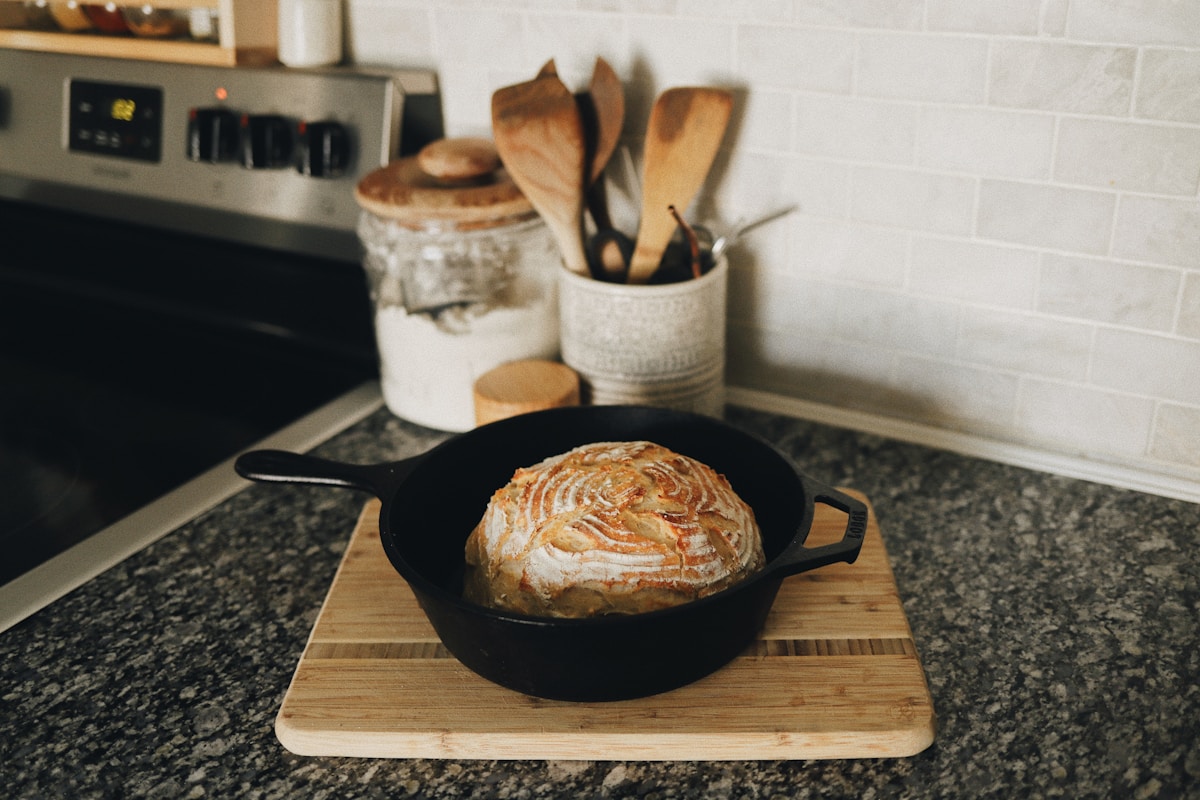
A great way to break in your pan is with a recipe that uses a good amount of fat and heat. This simple skillet cornbread does wonders for your pan’s seasoning.
- Preheat your oven to 400°F (205°C).
- Put 4 tablespoons of butter into your 10-inch or 12-inch cast iron skillet and place it in the oven to heat up.
- In a bowl, mix 1 cup of all-purpose flour, 1 cup of yellow cornmeal, 2/3 cup of sugar, 1 teaspoon of salt, and 2 teaspoons of baking powder.
- In another bowl, whisk together 1 cup of milk, 2 large eggs, and 1/3 cup of vegetable oil.
- Pour the wet ingredients into the dry ingredients and stir until just combined. Don’t overmix!
- Carefully take the hot skillet out of the oven. The butter should be melted and sizzling. Pour the melted butter into your batter, stir it in quickly, and then immediately pour the batter back into the hot skillet.
- Bake for 20-25 minutes, or until a toothpick inserted in the center comes out clean.
The hot, buttered pan creates an unbelievably crispy crust, and the fat in the recipe helps to further season your new favorite tool.
The Final Verdict You Can’t Go Wrong
A cast iron skillet isn’t a delicate antique to be feared. It’s a rugged, forgiving, and powerful cooking tool. It asks for very little: keep it dry, keep it lightly oiled, and use it often. In return, it will give you decades of delicious meals and a non-stick surface that you built yourself.
So forget the myths. Spend the $30. Cook some bacon. Bake some cornbread. Get a beautiful sear on a steak. You’re not going to ruin it. In fact, you’re about to make your cooking better, and you’re investing in a piece of kitchen history that will become a part of your own. (Your future self will thank you.)