How Can I Get Perfectly Flat and Even Cake Layers Every Time

How Can I Get Perfectly Flat and Even Cake Layers Every Time

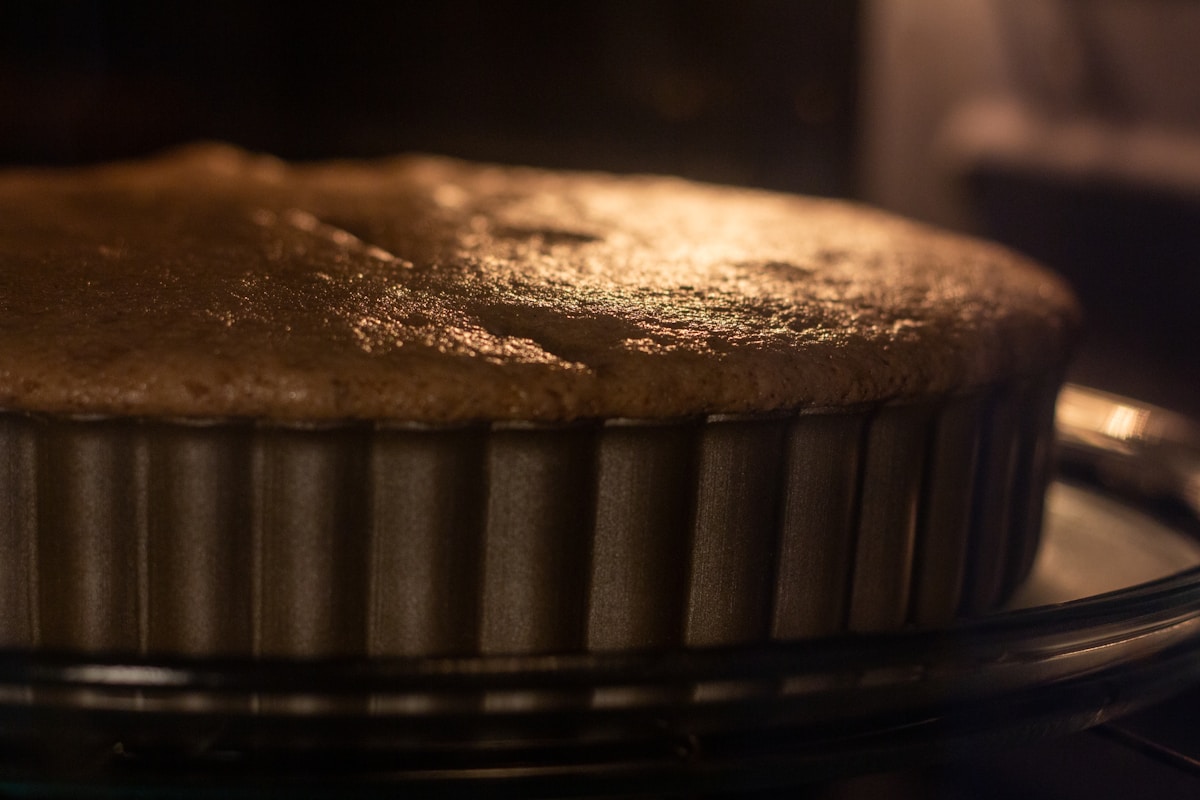
You’ve done everything right. You followed the recipe to the gram, used room temperature eggs, and sifted your flour. You divide the batter perfectly between three identical pans and slide them into your preheated oven with a hopeful heart. Thirty minutes later, you pull them out and face the classic baker’s frustration: one cake is perfectly flat, one has a dome worthy of a national monument, and the third looks like a geological slump.

Why Are My Cake Layers Baking Unevenly in the Same Oven?

Why Are My Cake Layers Baking Unevenly in the Same Oven?

You followed the recipe to the letter. You measured your King Arthur flour with a scale, brought your eggs to room temperature, and creamed the butter and sugar until it was impossibly light and fluffy. You divided the batter perfectly between three identical pans. You set the timer, and the whole house filled with that glorious, warm vanilla scent.

Why Do My Cake Layers Bake Unevenly in the Same Oven?

Why Do My Cake Layers Bake Unevenly in the Same Oven?

You’ve done everything right. You followed the recipe to the gram, your butter was perfectly softened, and you folded the flour with the care of a surgeon. You pour the batter evenly into three identical 8-inch cake pans, slide them into your preheated oven, and set the timer. When it dings, you pull them out to find a baking disaster: one layer is perfectly golden, another has a burnt edge and a sunken middle, and the third looks pale and underdone.

Why Does My Cake Bake Unevenly and How Can I Fix It?

Why Does My Cake Bake Unevenly and How Can I Fix It?

It’s a moment every baker knows. The timer chimes, and you pull three beautiful layers of cake from the oven. Except, they aren’t quite a matched set. One has a perfectly flat top. Another has a domed, cracked peak like a tiny volcano. And the third is golden brown on one side and pale on the other. It’s a frustratingly common problem, but it’s not a sign of failure. It’s a sign of chemistry at work, and once you understand the variables, you can control them.