What piping tips do you need as a beginner baker?

What piping tips do you need as a beginner baker?

The First Cake Frustration That Every Baker Knows

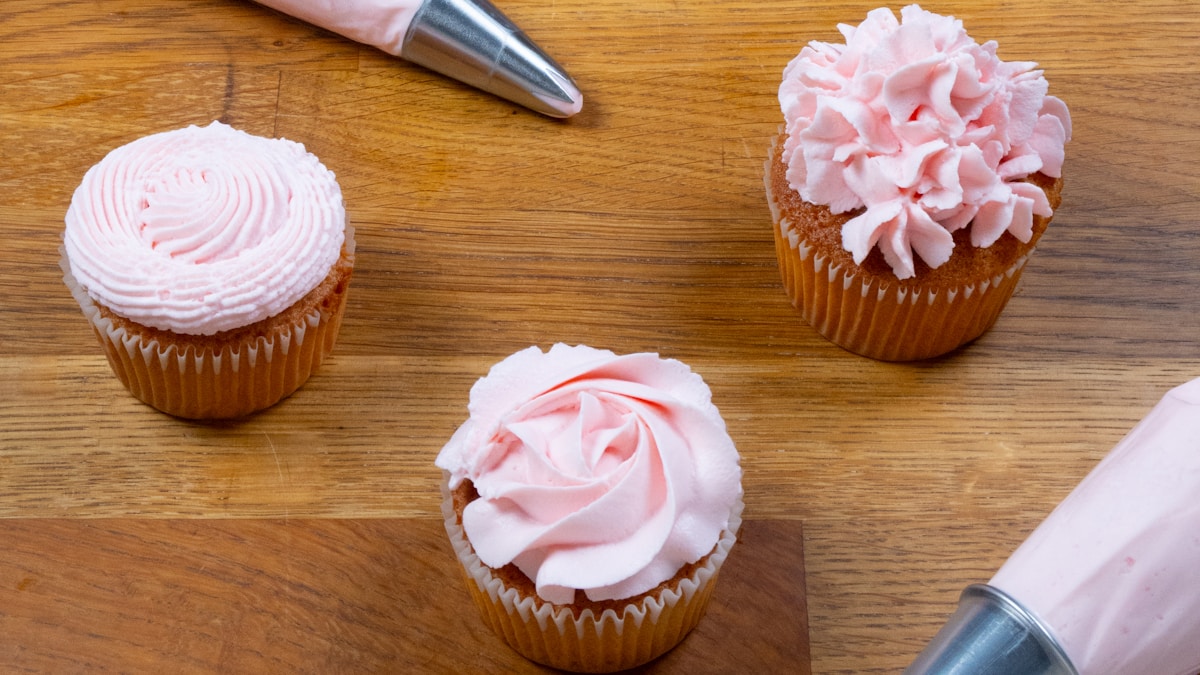
You spent hours baking that perfect chocolate cake. You whipped up a silky buttercream, tinted it your favorite pastel, and even added rainbow sprinkles to the batter for a funfetti effect. Then came the moment of truth: piping the rosettes and borders. But the buttercream blobs, the lines wobble, and the whole thing looks more like a toddler’s art project than a bakery-worthy dessert. Sound familiar? You’re not alone. On r/Baking, a new baker shared their third cake ever—a chocolate cake with rainbow sprinkles and piped buttercream—admitting they needed practice with piping. The comments flooded in with empathy and advice, and the one recurring theme was this: the right piping tips make all the difference. (Trust me on this one.)

What is ermine frosting and how does it get so silky smooth?

What is ermine frosting and how does it get so silky smooth?

Have you ever spent hours baking the perfect cake—moist, flavorful, with a tender crumb—only to feel a little let down by the frosting? So often, the classic American buttercream, a simple mix of butter and powdered sugar, can feel overwhelmingly sweet or have a slightly gritty texture. It’s a common frustration in the kitchen, and it often leads us to scrape most of it off the slice.

Why Did My White Chocolate Make My Buttercream Curdle?

Why Did My White Chocolate Make My Buttercream Curdle?

There are few moments in baking more triumphant than seeing a Swiss Meringue Buttercream (SMBC) come together. That glossy, ethereal cloud of frosting is a testament to your patience. You taste it—perfect. Now, for the final touch: a cascade of beautifully melted white chocolate. You pour it in, the paddle turns, and then… horror. In seconds, your silky frosting transforms into a grainy, weeping, cottage-cheese-like mess.