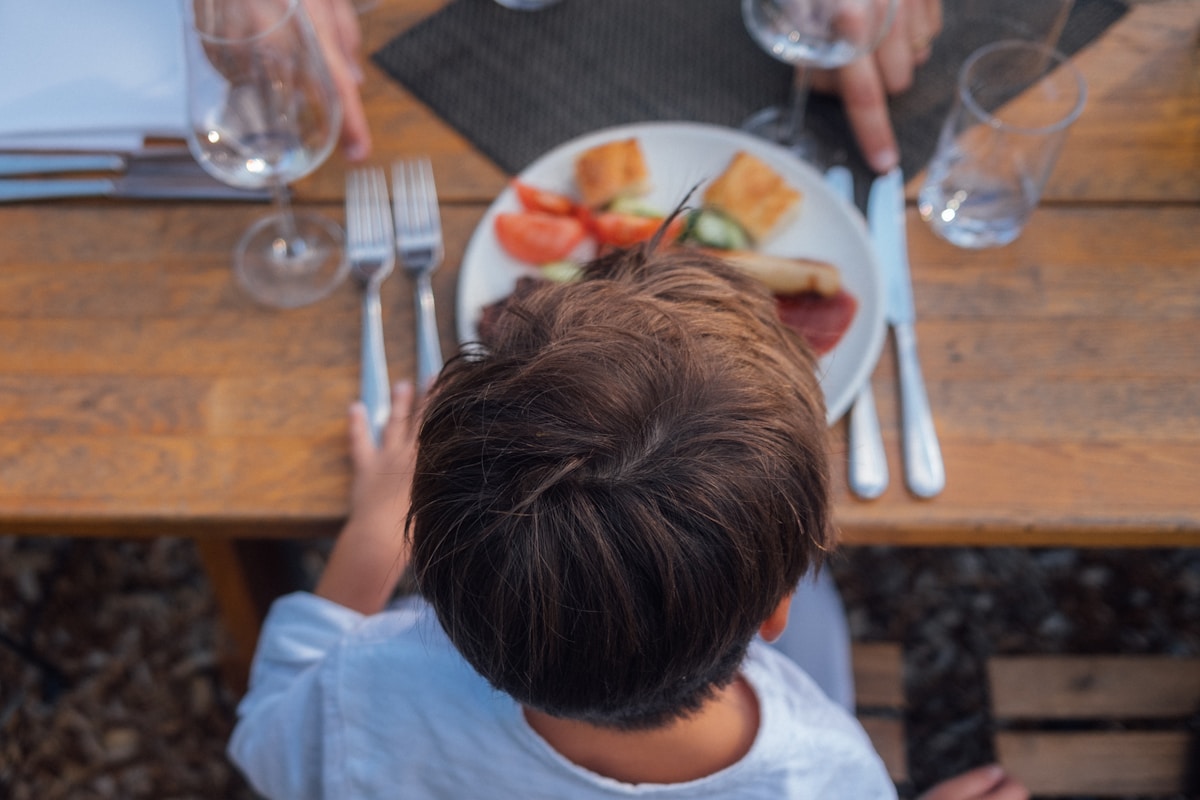
Oh, I know this scene so well. You spend the afternoon humming to yourself, preparing a beautiful meal—your little one’s absolute favorite. The very same chicken and stars soup they devoured just last Tuesday. You place the bowl, still steaming and full of love, on their little table. And then you hear it. The two words that can stop a parent’s heart.
“I don’t want it.”
Your first thought is that you must have heard them wrong. But no, their arms are crossed, their bottom lip is out, and they are looking at their once-beloved soup as if you’ve just served them a bowl of spiders. If this sounds familiar, take a deep breath and pull up a chair. You are not alone, you haven’t done anything wrong, and this is almost certainly not about your cooking.
This is one of the most common, and frankly, most baffling phases of parenthood. It’s the great food strike of the preschool years, and together, we’re going to figure out how to navigate it with our aprons, and our sanity, intact.
The Great Food Strike What’s Really Going On?
First things first, let’s get to the heart of the matter. When your three- or four-year-old suddenly refuses a food they’ve always loved, it’s rarely about the taste, texture, or even the food itself. It’s about one powerful, simple word: control.
Preschoolers have very little control over their world. We tell them when to wake up, what to wear, where to go, and when to sleep. But the dinner table? That is their kingdom. Deciding what will and will not pass their lips is one of the very first ways they can exert their independence and test the boundaries of their world. It’s a power play, pure and simple. (A frustrating one, but a normal one!)
There are a couple of other things at play, too. Around this age, a child’s rapid toddler growth spurt starts to slow down. They simply don’t need as much fuel, so their appetite can naturally decrease. What looks like stubborn refusal might just be a little body that isn’t truly hungry. Pediatric experts also talk about “food neophobia,” a fear of new foods that peaks between ages two and six. Sometimes, a familiar food prepared in a slightly different way can trigger this, making them see their favorite dish as something new and suspicious.
So, remember this: your child isn’t rejecting you or your love. They are doing the important work of figuring out who they are, one rejected spoonful at a time.
The Division of Responsibility Your New Dinner Mantra
For years, my secret weapon against mealtime battles has been a beautifully simple concept from feeding expert Ellyn Satter. It’s called the Division of Responsibility, and I encourage you to write it down and stick it on your fridge. It goes like this:
- Your Job: You, the parent, are responsible for what food is served, when it’s served, and where it’s served.
- Their Job: Your child is responsible for if they eat and how much they eat from what you have provided.
That’s it. It’s that simple, and it’s a game-changer. This means no more bribing, begging, or negotiating for “just one more bite.” Your job is to provide a balanced, tasty meal at a regular time in a designated place (like the kitchen table). Their job is to listen to their own body. When you take the pressure off, you instantly remove the power struggle. The food is no longer a weapon in their battle for independence. It’s just… dinner.
This can be hard at first! Our instinct is to worry and coax. But trusting your child to manage their own hunger is a gift that helps them build a healthy, intuitive relationship with food for the rest of their lives. (Your future self will thank you.)
Gentle Tactics for Turning ‘No’ into ‘Maybe’
Adopting the Division of Responsibility doesn’t mean you just serve food and hope for the best. There are so many warm, gentle ways to make mealtime more inviting and less of a standoff. Here are a few of my favorites:
-
Always Serve a ‘Safe’ Food: With every meal, make sure there is at least one simple component on the plate that you are 99% sure your child will eat. This could be a slice of bread, some apple slices, a scoop of plain rice, or a few crackers. This ensures they won’t go hungry and removes the panic they might feel when faced with a plate of entirely “challenging” foods.
-
The Power of Two Choices: To give them that feeling of control they crave, offer limited choices before you cook. This isn’t, “What do you want for dinner?” which is far too overwhelming. It’s, “Should we have broccoli or green beans with our chicken tonight?” or “Would you like your toast cut into triangles or squares?” They get a say, but within the healthy boundaries you’ve set.
-
Think Tiny: A big pile of a rejected food is intimidating. A single pea or a tiny shred of chicken is not. When re-introducing a food they’ve started refusing, serve a minuscule portion. Call it a “tasting portion.” There’s no pressure to eat it, but its presence on the plate keeps it familiar.
-
Family Style is Your Friend: Instead of pre-plating their food, try serving everything in bowls in the middle of the table. Let them serve themselves (with a bit of help, of course). This gives them ultimate control over what goes on their plate, and you might be surprised what they choose when they feel they’re in charge.
The Magic Wand Invite Them into the Kitchen
Now for my favorite part. The single most effective tool I have ever found for overcoming picky eating is to get those little hands messy in the kitchen. When a child helps prepare a meal, they have ownership over it. It becomes their creation. They’ve touched it, smelled it, and transformed it. That suspicious carrot is no longer a strange orange stick; it’s the coin they helped chop. The mystery meatball is the one they proudly rolled.
Here are some wonderfully simple and safe tasks for a preschooler:
- Washing produce: Set them up at the sink with a stool and a colander of veggies. It’s a splashy, fun sensory activity.
- Tearing lettuce or kale: Perfect for little hands that are still developing fine motor skills.
- Stirring and mixing: Give them a big bowl and a spoon to stir cold ingredients, like a vinaigrette or a simple batter.
- Mashing: A fork and a ripe banana or some cooked sweet potato are all they need to feel like a superhero.
- Sprinkling: Let them be in charge of sprinkling cheese on pasta, herbs on potatoes, or cinnamon on apple slices.
- Using a kid-safe knife: Look for nylon or plastic knives, like the ones from brands like Curious Chef or KinderKitchen. They are designed to cut soft foods like strawberries, mushrooms, or hard-boiled eggs without being sharp enough to cut skin. This is a huge confidence booster!
A Recipe for Peace ‘Make-Your-Own’ Mini Pizzas
If you want to put this into practice, start with something fun and customizable. Mini pizzas on English muffins or pita bread are perfect. The goal here is participation, not perfection.
You will need:
- English muffins, split in half, or small pita breads
- A small bowl of tomato sauce or pesto
- A bowl of shredded mozzarella cheese
- Several small bowls of toppings, finely chopped: bell peppers in different colors, black olives, tiny broccoli florets, cooked chicken pieces, corn kernels.
The ‘Cooking’ Process:
- Preheat your oven to 400°F (200°C).
- Set up an assembly line with all your little bowls of ingredients.
- Give your child an English muffin half and a small spoon. Let them spread the sauce. (Yes, it will be messy. That’s part of the fun!)
- Let them use their fingers to sprinkle on the cheese and arrange their toppings. Talk about the colors and shapes they are making.
- Place their creations on a baking sheet and bake for about 10-12 minutes, or until the cheese is bubbly and golden.
When you serve these little pizzas, you aren’t just serving dinner. You’re serving the masterpiece they created. The odds of them taking a proud bite are so much higher because it’s a reflection of their own hard work.
This phase of food refusal can feel long and frustrating, I know. But try to see it not as a battle to be won, but as a conversation to be had. You are teaching your child to listen to their body, to be brave with new experiences, and that the kitchen is a place of creativity and connection. Keep the mood light, keep the pressure off, and keep inviting them to stir, sprinkle, and taste alongside you. The messes will wash away, but the happy memories you cook up will nourish them for years to come.