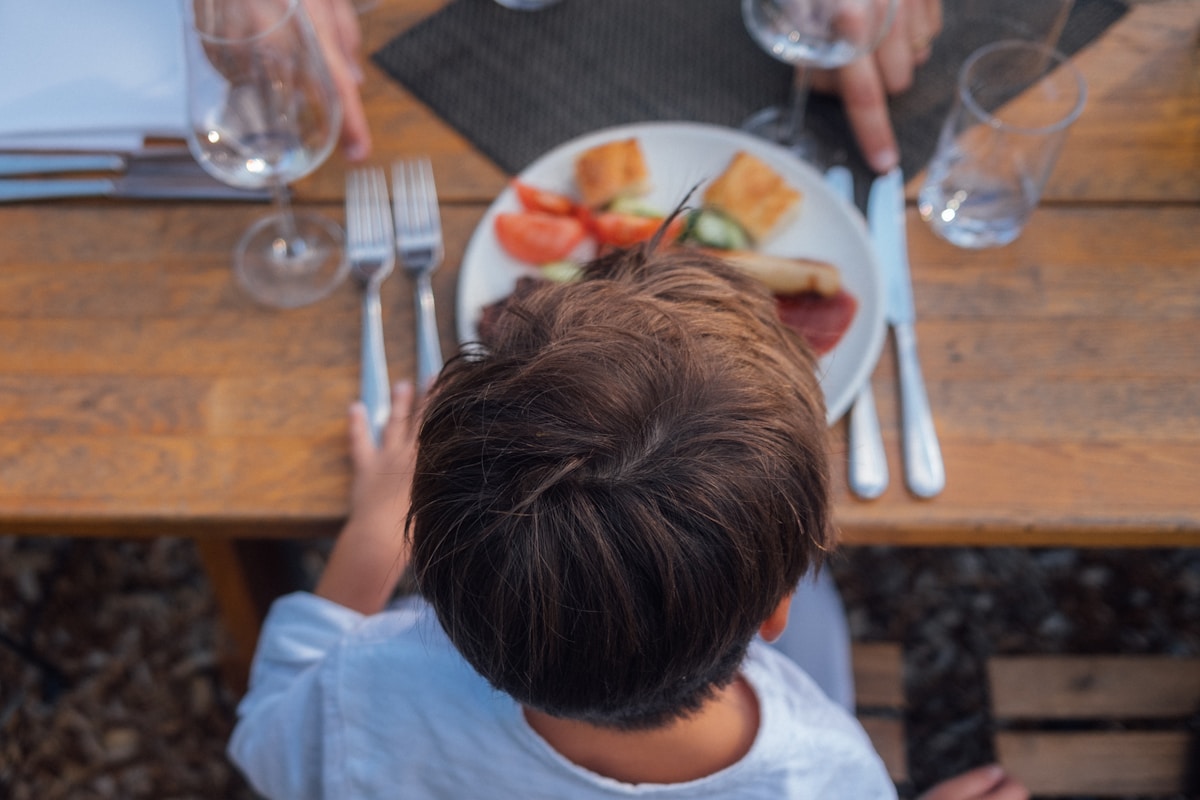
Oh, that moment. I know it so well. You’ve spent the better part of an hour humming along in the kitchen, chopping vegetables, simmering a sauce that fills the house with a wonderful, savory aroma. You’ve created what you think is a masterpiece—or at least, a pretty decent Tuesday night chicken and rice. You place the plate, still steaming, in front of your little one.
And then it comes.
The tiny nose crinkles. The little arms cross over a determined chest. And the words, sharp as a chef’s knife, cut through the air: “Yuck. I hate this.”
If you’ve ever felt your heart sink right down to your flour-dusted slippers, please know you are in the company of nearly every parent who has ever tried to feed a child. It’s a moment that can feel so personal, like a direct critique of your love and effort. But I’m here to wrap a comforting arm around your shoulder and tell you a little secret: it’s almost never about your cooking.
That declaration of hatred for your delicious dinner is a milestone, of sorts. It’s a messy, frustrating, and totally normal part of growing up. So, let’s take a deep breath together, put the pan down, and talk about how to turn this dinner-table drama into a moment of connection.
Why a Crinkled Nose Isn’t a Cooking Critique
First things first, let’s get this out of the way. Your child’s rejection is not a one-star review of your family restaurant. When a five, six, or seven-year-old pushes their plate away, they’re communicating something much bigger, and it’s usually one of a few things.
They are flexing their independence. At this age, children are realizing they are separate people with their own opinions and desires. One of the few areas where they have a real sense of control is over what they put into their own bodies. Saying “no” to your dinner is a powerful, and very effective, way for them to say, “I am my own person!”
They might be experiencing neophobia, which is a fancy word for the fear of new foods. It’s a completely normal developmental stage that often peaks in the toddler and preschool years but can certainly linger. It’s an evolutionary instinct that kept our little cave-toddler ancestors from eating poisonous berries. While not very helpful in the modern kitchen, it’s a hardwired response.
Lastly, it could just be that they aren’t hungry, they’re tired, or they’re overwhelmed by a food where everything is mixed together. A casserole can be a sensory challenge for a little person—so many textures and flavors all in one bite! The key is to remember that their reaction is a piece of information, not an insult.
The Magic Phrase and The Calm Response
Your first instinct might be to bargain, demand, or launch into a lecture about starving children. (We’ve all been tempted.) But engaging in a power struggle is like adding fuel to a kitchen fire; it only makes things bigger and smokier. The goal is to douse the flames with calm, firm kindness.
Your most powerful tool is a calm, neutral response that validates their feeling while holding a gentle boundary. Try one of these on for size:
- “I hear you. It’s okay if you don’t want to eat it.”
- “I understand you don’t like it, but this is the dinner we’re having tonight.”
- “You don’t have to eat it, but you do have to sit with the family.”
Notice what these phrases have in common? They don’t argue or shame. They accept the child’s feeling as real, but they don’t change the reality of the situation. This is so important. The moment you jump up to make a separate meal of chicken nuggets or buttered noodles, you’ve accidentally become a short-order cook. This teaches a tough lesson: that a complaint is a ticket to a custom order. (Your future self will thank you for avoiding this path.)
Your tone is everything. Keep it light, keep it loving, and then change the subject. Talk about their day at school. Ask about the fort they built. You are showing them that their food refusal doesn’t have the power to derail the pleasant time you share as a family at the table.
The ‘Deconstructed Dinner’ and The Safe Food Strategy
Now for the practical magic. Two of my all-time favorite strategies for navigating this phase are the “deconstructed dinner” and the “safe food” rule. They work wonders because they give your child a sense of control without you giving up your authority.
The Deconstructed Dinner: This sounds fancy, but it’s wonderfully simple. Instead of serving a finished, mixed-together dish, you serve the components separately. Let’s say you’ve made a lovely chicken stir-fry with rice, broccoli, and bell peppers. Instead of mixing it all in one bowl, plate it like this:
- A scoop of plain white or brown rice.
- A few pieces of the cooked chicken next to it.
- Some steamed broccoli florets and sliced peppers in their own little piles.
- A tiny bowl with the stir-fry sauce on the side for dipping.
Suddenly, it’s not a scary, unknown mixture. It’s a plate of familiar things that they can choose to eat separately or mix themselves. It’s an instant win for a child craving autonomy.
The ‘Safe Food’ Rule: This is my non-negotiable kitchen hack for parents of young eaters. With every meal you serve, make sure there is at least one thing on the table that you know your child generally likes and will eat. It doesn’t have to be the star of the show. It can be a simple whole-wheat dinner roll, a side of apple slices, some sliced cucumbers, or a scoop of cottage cheese.
This single trick removes all the pressure. You no longer have to worry, “But will they starve?!” You know they have something to fill their tummy, so you can relax. This allows them to approach the new or less-preferred foods with curiosity instead of fear, because the whole meal isn’t a high-stakes proposition.
Let’s Get Them in the Kitchen A Simple ‘Build-Your-Own’ Idea
One of the best long-term solutions for picky eating is to get those little hands dusty with flour. When kids help prepare a meal, they have a sense of pride and ownership that makes them infinitely more likely to try it. It transforms them from a critic into a creator.
A perfect gateway to this is a “Build-Your-Own” night. My favorite is Mini Pizza Night.
You’ll Need:
- English muffins (Thomas’ are a classic) or small pita breads
- A jar of simple pizza or marinara sauce (I like Rao’s Homemade for its pure ingredients)
- A bag of pre-shredded low-moisture mozzarella cheese
- An assortment of toppings in little bowls: mini pepperoni, chopped bell peppers, sliced olives, small pineapple tidbits—whatever your family enjoys.
The Fun Part:
- Preheat your oven to 400°F (200°C).
- Set up an assembly line on the counter. Give your child a split English muffin.
- Let them use the back of a spoon to spread a thin layer of sauce. (Yes, it will be messy, and that’s okay!)
- Let them sprinkle on the cheese. Their fine motor skills get a great workout here.
- Finally, let them decorate their pizza with toppings. This is where their creativity shines!
- Place their creations on a baking sheet and bake for 8-10 minutes, until the cheese is melted and bubbly and the edges are golden brown.
The triumph on a child’s face when they pull their pizza out of the oven is a beautiful sight. They made it. And you can be sure they will be excited to eat it.
Patience, Perspective, and The Long Game
My dear friend, this journey of feeding a family is a marathon, not a sprint. There will be nights when dinner is a smashing success, filled with laughter and clean plates. And there will be nights when the dog gets more of the lovingly prepared meal than the kids do. Both are part of the story.
The goal is not to win the battle over the broccoli. The goal is to cultivate a peaceful, happy home where food is a source of joy and connection, not conflict. It’s about raising children who have a healthy, curious, and relaxed relationship with eating.
So next time you hear, “I hate this,” take a quiet breath. See that little, defiant person in front of you and remember that they are learning and growing. Smile, say, “That’s okay, honey,” and pass them the bread basket. You are playing the long game, and believe me, you are winning.