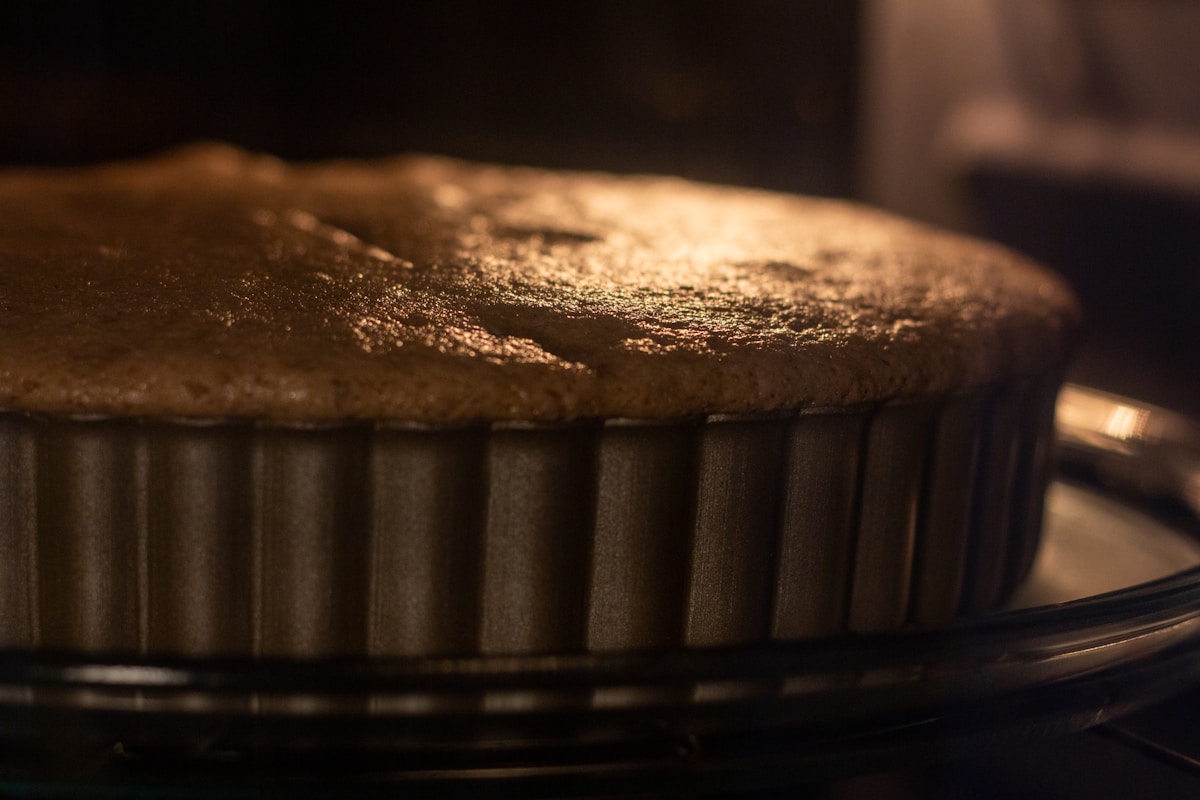
Is there anything more hopeful than the smell of peanut butter cookies baking? That warm, toasty, nutty aroma promises a soft, crumbly, melt-in-your-mouth treat. But then… the moment of truth. You take a bite, and instead of a gentle crumble, you get a hard, dry snap. The flavor is there, but the texture is more like a dog biscuit.
If this sounds painfully familiar, please know you are not alone. This is one of the most common hurdles for new bakers, and the good news is, it’s completely fixable. The kitchen is a place for learning, not for perfect first tries! A hard peanut butter cookie isn’t a sign of failure; it’s just a cookie that’s trying to teach you something. Today, we’re going to listen to what it’s saying and unlock the secrets to a perfectly soft, tender peanut butter cookie.
The Number One Culprit Your Stand Mixer Doesn’t Want You to Know
Let’s talk about gluten. I know, it sounds like some complicated science-y term, but I promise it’s simple. When you mix flour with wet ingredients, two proteins in the flour link up to form strands of gluten. Think of gluten as a stretchy, elastic net. In bread, we want a lot of this net to create that chewy, airy structure. We knead bread dough for ages to develop it.
But in cookies? We want the exact opposite. For a tender, crumbly cookie, we need to keep that gluten net weak and underdeveloped. And the fastest way to build a tough, rubbery gluten network is by over-mixing the dough after you’ve added the flour.
Here’s how it happens: you cream your butter and sugar beautifully. You beat in the egg and peanut butter until it’s a fluffy dream. Then, you dump in the flour and let the mixer run… and run… and run… until the dough is perfectly smooth and uniform. In doing so, you’ve accidentally given those gluten proteins a full-on workout. You’ve created a cookie that’s structured more like a tiny loaf of bread. Tough, dense, and hard.
The secret lies in the fat. The butter and peanut butter are supposed to do a magic trick. Their job is to coat the flour particles, like putting a little raincoat on each one. This fat barrier physically prevents the flour proteins from finding each other and forming too much gluten. But if you mix too aggressively, you force those connections to happen anyway.
Your Mission: As soon as the flour goes into the bowl, switch to a low speed or, even better, a spatula. Mix only until the last streaks of white flour have disappeared. The dough might look a little shaggy, and that’s okay! A slightly under-mixed dough is the key to a tender cookie. (Your future self will thank you for this restraint.)
Why Your Favorite Natural Peanut Butter Might Be the Problem
This one feels unfair, doesn’t it? You’ve chosen a wholesome, natural peanut butter with just peanuts and salt. It should make a better cookie, right? Unfortunately, when it comes to baking, not always.
Take a look at a jar of conventional peanut butter, like Jif or Skippy Creamy. It’s perfectly smooth and homogenous, with the oil completely blended in. This is because it contains an emulsifier (often a small amount of hydrogenated vegetable oil) that prevents the oil from separating. This consistency is a huge advantage in baking. It means the fat is evenly distributed throughout the dough, doing its job of coating the flour and providing moisture everywhere.
Now, think about that jar of natural peanut butter in your pantry. It has a layer of oil on top that you have to stir back in. Even with your best stirring efforts, it’s very difficult to get the oil as perfectly re-incorporated as it is in a no-stir brand. This leads to an inconsistent dough. Some parts might be oily, while others are dry and pasty. This often results in cookies that are greasy in some spots and brittle and dry in others. Because the fat isn’t evenly distributed, it can’t properly inhibit gluten formation, leading to… you guessed it, hard cookies.
Most recipes you find online, especially classic, time-tested ones, were developed using conventional peanut butter. The recipe’s author has already accounted for the specific fat and moisture content of something like Jif.
Your Mission: For reliable, soft cookies, start with a conventional, no-stir peanut butter. If you absolutely must use natural peanut butter, make sure you stir it until your arm is sore to get it as homogenous as possible. You might even consider adding an extra tablespoon of soft butter or oil to your recipe to compensate for the potential dryness of the peanut paste itself.
The Tyranny of ‘Just One More Minute’ in the Oven
Baking is a game of minutes, sometimes even seconds. The single most common cause of hard cookies of any kind is over-baking. And it’s so easy to do!
You look through the oven door. The cookies look a little pale in the center. They seem puffy and maybe even a little doughy. Your brain says, “Just one more minute to be safe.” But that one minute can be the difference between soft perfection and a crunchy coaster.
Here’s the secret: cookies have a magic power called “carryover cooking.” The hot metal baking sheet doesn’t instantly cool down the moment you pull it from the oven. It continues to hold a tremendous amount of residual heat, which continues to bake the bottoms of your cookies for a good 5-10 minutes after they’re out.
A perfect peanut butter cookie should be pulled from the oven when it looks slightly underdone. I know, it feels wrong! But you have to trust the process.
Your Mission: Set your oven to the recipe’s temperature, usually around 350°F (175°C). When the timer goes off (or even a minute or two before), look for these visual cues:
- The edges should be set and have a light golden-brown color.
- The center should have lost its glossy, raw sheen but still look very soft and puffy. It might even look a little pale.
When you see that, take them out! Let the cookies rest on the hot baking sheet for 5 full minutes. During this time, they will finish baking from the residual heat and firm up enough to be moved. After 5 minutes, transfer them to a wire rack to cool completely. This cooling process is the final step where the cookie sets its final texture. Pulling them at that ’looks-almost-done’ stage is what locks in that soft, chewy center.
A Simple Plan for Perfect Peanut Butter Cookies
Feeling ready to conquer the cookie jar? Let’s put it all together. You don’t even need a full recipe, just this battle plan.
- Use the Right Stuff: Grab a jar of no-stir, creamy peanut butter. Make sure your butter is softened to room temperature, not melted.
- Mix Smart, Not Hard: Cream your butter and sugars together until they’re light and fluffy. Beat in your egg and peanut butter. No holding back here! But when you add the flour, baking soda, and salt, use a spatula or the lowest mixer speed. Stop the moment you can’t see any more dry flour.
- Give it a Chill: For extra credit, wrap your dough in plastic and chill it in the fridge for at least 30 minutes. This prevents spreading and deepens the flavor. (A pro move!)
- Bake with Confidence: Bake at 350°F (175°C) for about 10-12 minutes. Start checking at 9 minutes. The instant the edges are set and the centers are just puffy and soft-looking, pull them from the oven.
- Let Them Rest: This is non-negotiable! Let the cookies cool on the baking sheet for 5 minutes before moving them to a wire rack.
Try This Tonight: Find your favorite simple peanut butter cookie recipe. Follow the ingredients, but ignore the mixing and baking instructions. Instead, use the five steps above as your guide. Focus on how the dough feels when you stop mixing early, and be brave enough to pull the cookies from the oven when they look just a tiny bit underbaked. I promise, the reward is a batch of cookies so soft, so crumbly, and so perfectly peanut-buttery, you’ll never go back to crunchy coasters again. Happy baking!