It’s a breakfast tragedy we all know. You crack a couple of beautiful eggs into what was, just last month, your trusty non-stick skillet. You anticipate that satisfying glide, the effortless flip. Instead, you hear the dreaded sizzle-and-stick. You end up with a mangled scramble instead of a perfect omelet, spending the next ten minutes scraping fused egg off a surface that promised you freedom from this very chore.
If this sounds familiar, you’re not alone. I see it all the time. People spend good money on a quality non-stick pan, and within six months, it performs worse than a cheap piece of tin. The immediate reaction is to blame the pan. “This All-Clad was $100 and it’s already ruined!” But I’m here to tell you that 90% of the time, the pan isn’t the problem. The problem is that we treat our non-stick pans like indestructible all-rounders, when in reality, they are highly specialized—and delicate—tools.
Unlike a cast iron skillet that gets better with abuse, a non-stick pan has a finite lifespan. But you can drastically extend that life from a few frustrating months to several happy years by avoiding a few common, costly mistakes. Let’s break them down so you can stop throwing money away and start enjoying your cookware again.
Mistake #1: You’re Using Metal Utensils
This is the most obvious mistake, yet it’s the one I see people make every single day. You’re in a hurry, you grab the nearest fork to scramble your eggs, or you use a metal fish spatula to flip a piece of salmon. Every single time a piece of metal scrapes across that dark, smooth surface, you are creating microscopic scratches.
Think of the non-stick coating—usually a type of Polytetrafluoroethylene (PTFE)—as a very thin, very soft layer of paint. You wouldn’t scrape a metal fork across the hood of your car, right? The same principle applies here. Those tiny scratches might not seem like a big deal at first, but they are the entry points for food and oil to get underneath the coating. Over time, with repeated heating and cooling, those small scratches expand and cause the coating to flake and peel off. Once it starts flaking, the pan is done for. (And you definitely don’t want to be eating those flakes.)
The fix is simple and non-negotiable: use only silicone, wood, or heat-resistant nylon utensils in your non-stick pans. I’m partial to high-quality silicone spatulas because they’re flexible, won’t scratch a thing, and can handle reasonably high heat. Wooden spoons are a classic for a reason, too. Just put your metal tools away when the non-stick comes out. (Seriously, just stop.)
Mistake #2: You’re Turning the Heat Up Too High
This is the most critical and misunderstood rule of non-stick cookware. We’re so used to cranking the heat up to get a good sear on a steak in a cast iron or stainless steel pan. You absolutely cannot do this with a non-stick pan. It’s not designed for high-heat cooking.
Most non-stick coatings are rated to be safe up to about 500°F (260°C). Above that temperature, two bad things happen. First, the coating itself can begin to break down, permanently damaging its non-stick properties. Second, it can release polymer fumes, which aren’t great to breathe in. This is why you should never preheat a non-stick pan empty on high heat; it can reach those damaging temperatures in just a minute or two.
Your non-stick pan is your go-to for low-to-medium heat tasks. What does that mean in practice? On most electric or gas stoves, you should never go above the medium setting, around a 4 or 5 out of 10. This is the perfect temperature range for its intended jobs:
- Perfect For: Scrambled eggs, omelets, pancakes, crepes, delicate fish like tilapia or sole, and reheating leftovers gently.
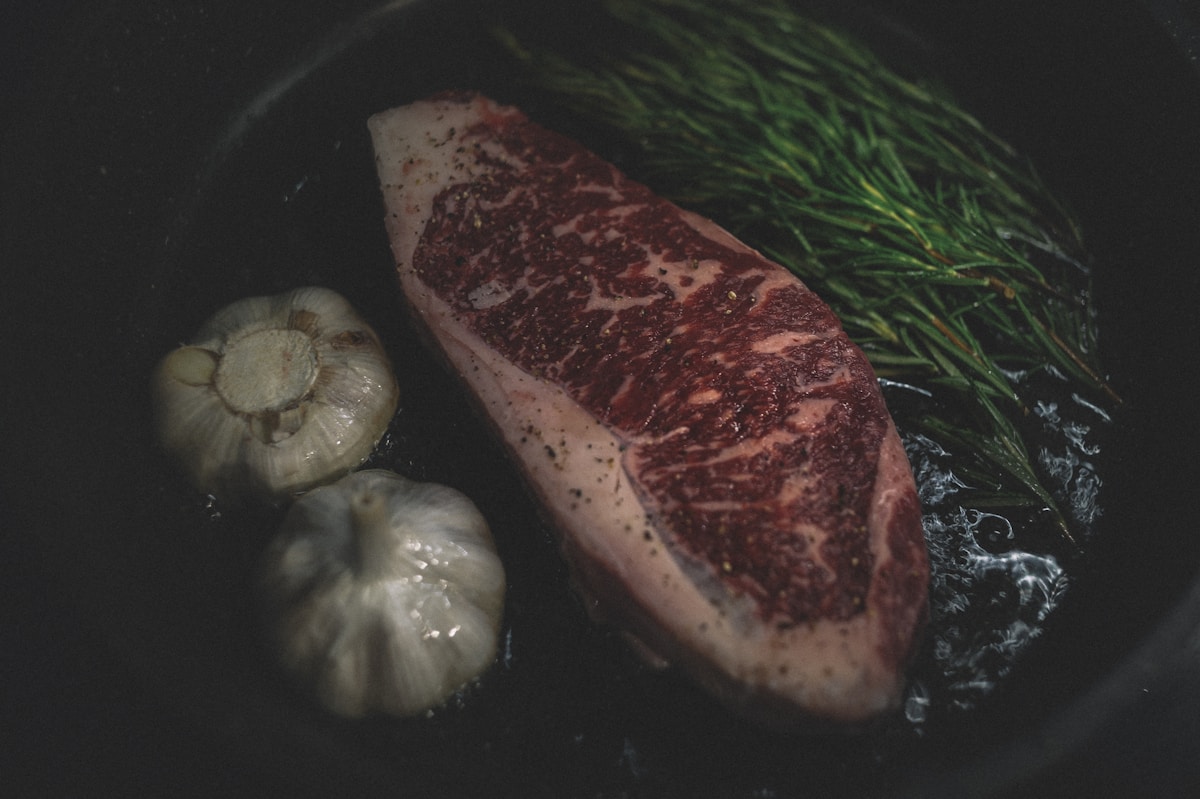
- Awful For: Searing steaks, getting a hard crust on burgers, flash-frying vegetables, or anything that requires blasting heat.
The right tool makes the job easier. For high-heat searing, grab a stainless steel, carbon steel, or cast iron pan. Reserve your non-stick for the delicate jobs it was born to do. Your pan will last exponentially longer.
Mistake #3: Your Cooking Spray is a Secret Saboteur
This one feels counter-intuitive, I know. A spray designed to make things not stick is hurting my non-stick pan? Yes, really. The problem isn’t the oil in the aerosol can; it’s everything else.
Aerosol cooking sprays contain propellants and emulsifiers (like lecithin) that allow the oil to spray in a fine mist. When you spray this on a hot pan, the oil and water burn off, but the sticky lecithin compound doesn’t. It clings to the surface and, under heat, undergoes a process called polymerization. It essentially turns into a tough, lacquer-like film that is nearly impossible to remove.
Over time, this invisible layer of gunk builds up, covering the actual non-stick surface. Your food isn’t sticking to the pan’s coating; it’s sticking to the sticky residue from your cooking spray! You’ll notice it as a splotchy, brownish buildup that even hard scrubbing won’t remove.
The Kitchen Hack: Ditch the aerosol can. If you need fat in the pan (which you often don’t with a good non-stick), use a tiny amount of actual butter or a neutral oil like canola or grapeseed. My preferred method is to put a half-teaspoon of oil in the cold pan and use a paper towel to wipe it into a micro-thin layer. This gives you all the benefits with none of the damaging buildup.
Mistake #4: The Dishwasher is Not Your Pan’s Friend
Many modern non-stick pans come with a label that proudly proclaims “Dishwasher Safe.” I want you to ignore it. Technically, it means a single trip through the dishwasher won’t dissolve the pan into a puddle of metal. It does not mean the dishwasher is good for the pan’s longevity.
The dishwasher is a brutal environment. The combination of extremely high-heat water, highly abrasive detergents, and the physical act of being blasted by water jets is incredibly harsh on that delicate PTFE coating. The detergents, in particular, are designed to strip away everything, and over time, they will strip away the non-stick finish, making it dull and, eventually, sticky.
Think about it—a non-stick pan is, by definition, the easiest piece of cookware in your kitchen to clean. It should take you no more than 30 seconds. Once the pan is cool enough to handle, simply use a soft sponge or cloth with a bit of warm, soapy water. Everything should glide right off. By spending half a minute at the sink, you are adding years to the life of your pan. It’s the best return on investment you can make. (Your future self will thank you.)
Mistake #5: You’re Stacking and Storing Them Improperly
After you’ve carefully used the right utensils, the right heat, and hand-washed your pan, the final mistake happens in the cupboard. You nest your pans, stacking your heavy cast iron skillet or a stainless steel saucepan right inside your non-stick frying pan.
The bottom of a pan is often rough. As you slide it in and out of the cupboard, the bottom of the top pan grinds, scrapes, and scratches the delicate cooking surface of the non-stick pan below. It’s death by a thousand tiny cuts. You’re essentially undoing all your other careful work by damaging the surface during storage.
The solution is ridiculously simple and cheap. Place a protective layer inside the pan before you stack another one on top. You can buy felt pan protectors online for a few bucks, but you don’t even need to do that. A couple of paper towels, an old dish towel, or even a sturdy paper plate will do the job perfectly. This one simple habit prevents needless scratches and will keep the surface pristine.
The Takeaway: Use the Right Tool for the Job
So, why do your non-stick pans stop working? Because they are being asked to do jobs they were never designed for and are being cared for like they’re indestructible. A non-stick pan isn’t a failure; it’s a specialist.
My advice is to stop searching for one pan that does it all. Instead, build a small, practical arsenal. Buy one great non-stick skillet—an 8-inch or 10-inch is perfect. A brand like Tramontina or OXO offers incredible value. Dedicate that pan only to eggs, pancakes, and delicate fish. Follow the five rules above religiously.
For everything else—searing meat, blistering vegetables, making pan sauces—use a durable, workhorse pan like a 12-inch stainless steel skillet or a classic Lodge cast iron pan. These pans love high heat and metal utensils. By using each pan for its intended purpose, you get better cooking results, and your cookware lasts dramatically longer. You stop wasting money on replacement non-sticks and get more joy out of your time in the kitchen. And that’s what it’s all about.