Have you ever watched a cooking show and seen the chef, at the very last second, raise their hand high and gracefully shower a dish with what looks like giant, glittery salt crystals? You might have thought, “Isn’t salt just… salt? Is this all for show?” It’s a perfectly normal question, and one I asked myself for years. My salt shaker was filled with the same fine white stuff my mom always used, and it seemed to work just fine.
But let me tell you a little secret: understanding the difference between the salt you cook with and the salt you finish with is one of the fastest and easiest ways to make your home cooking taste like it came from a fancy restaurant. It’s a tiny detail that makes a massive impact. It’s not about being a gourmet chef; it’s about unlocking new layers of flavor and, most importantly, texture that you might be missing out on.
So, let’s pull back the curtain on this simple, magical ingredient. We’re going to demystify the salt aisle, put an end to the confusion, and give you the confidence to sprinkle with purpose. Everyone starts somewhere, and today, we’re starting with salt.
The Everyday Hero: Understanding Regular Salt
First, let’s talk about the salt you probably already have in your kitchen. This is what we can call “regular salt” or “cooking salt.” Its main job is to season food from the inside out. Think of it as the foundation of a building—it’s not the flashy, visible part, but without it, the whole structure is bland and unstable.
These salts are designed to do one thing exceptionally well: dissolve. Their crystals are typically small, uniform, and dense, which allows them to disappear seamlessly into liquids, batters, and sauces. This ensures that every bite of your soup or every crumb of your bread is evenly seasoned. There are a couple of common types:
-
Table Salt: This is the classic stuff in the blue canister with the little girl and her umbrella. The grains are very fine and consistent. It almost always contains iodine, a necessary nutrient added since the 1920s to prevent goiters, and anti-caking agents to keep it from clumping. While it’s great for its intended purpose, its tiny grains can make it easy to oversalt food if you’re seasoning by hand.
-
Kosher Salt: This is a favorite among chefs, and for good reason. The crystals are larger and more irregular than table salt, which makes it much easier to pinch and control how much you’re adding. (This is a huge confidence booster!) It doesn’t typically contain iodine, which some people believe gives it a “purer” salt flavor. There are two major brands you’ll see: Morton, which is denser, and Diamond Crystal, which has lighter, more hollow crystals. A teaspoon of Diamond Crystal is less salty than a teaspoon of Morton, so it pays to stick with one brand to get a feel for it. (My personal go-to for daily cooking is Diamond Crystal.)
You use these workhorse salts when their ability to dissolve is the most important thing. You add them to your big pot of boiling water for pasta, you whisk them into your vinaigrette, you cream them with butter and sugar for cookies, and you mix them into your meatball recipe. Their goal is to become one with the food, elevating all the other flavors from within.
The Grand Finale: What Makes Finishing Salt So Special?
Now, let’s talk about the star of the show: finishing salt. If regular salt is the foundation, finishing salt is the stunning light fixture or the perfect piece of art you hang on the wall right before guests arrive. Its job isn’t to season the entire dish, but to provide a final, dramatic flourish of texture and concentrated flavor right on the surface.
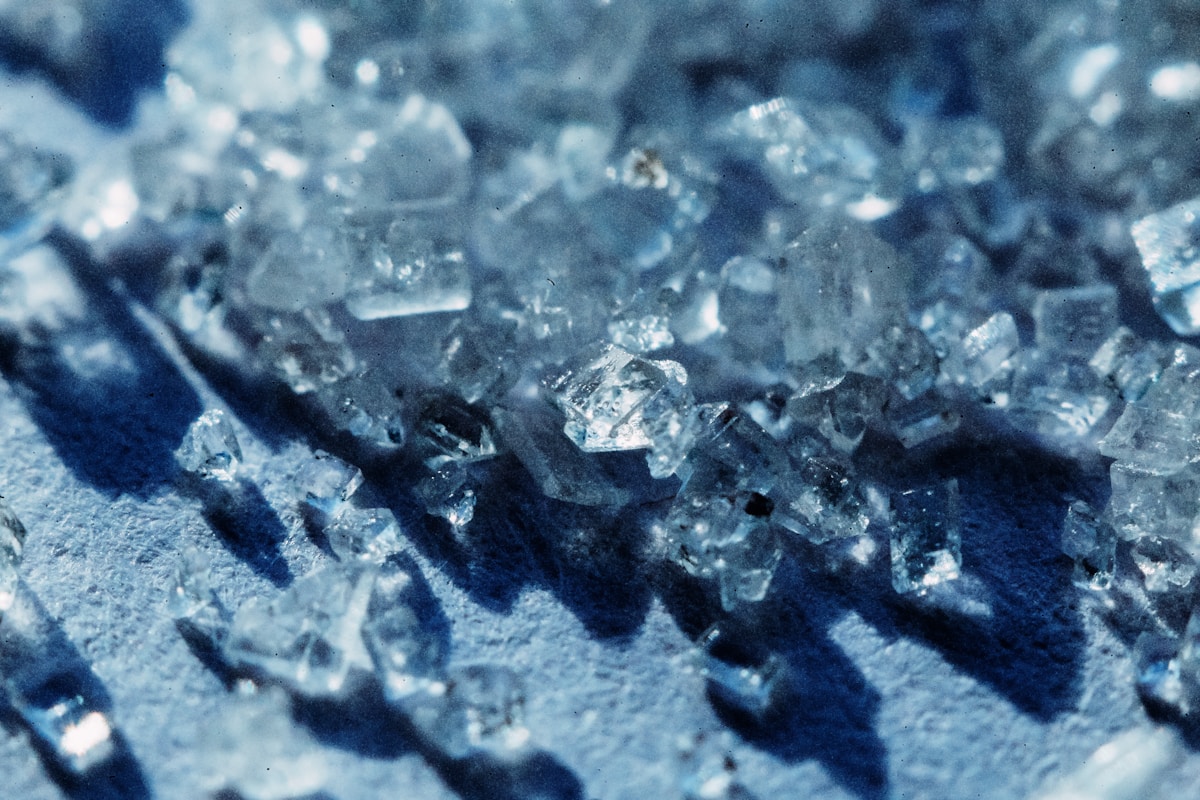
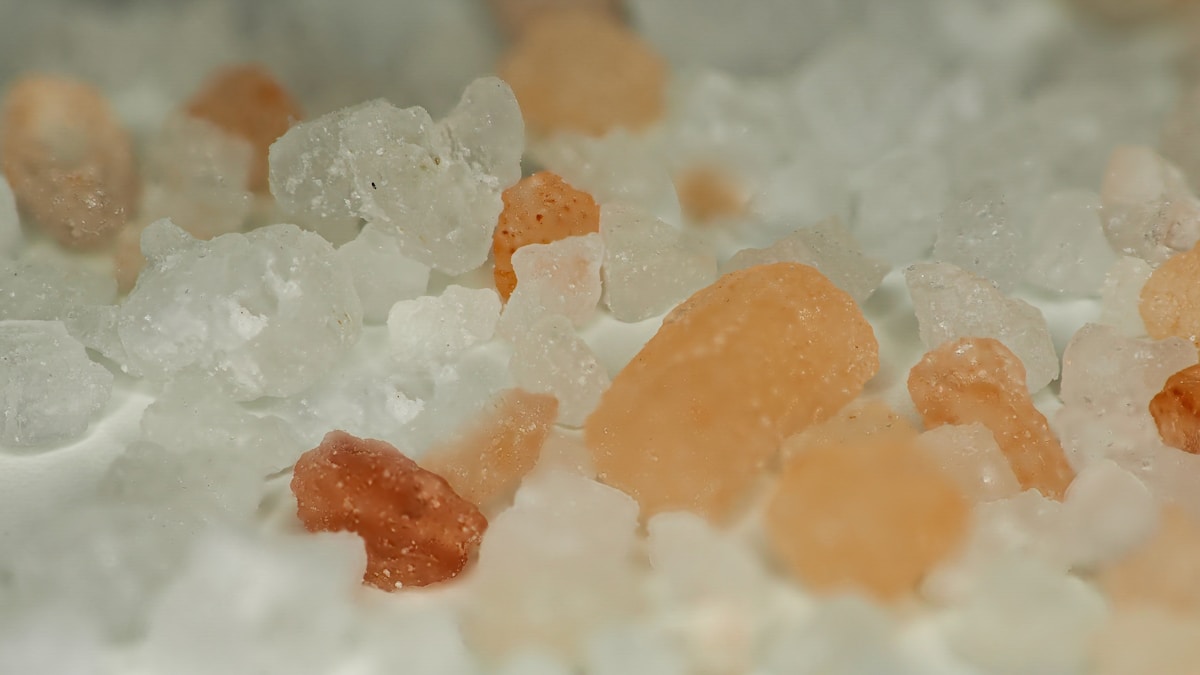
Finishing salts are harvested and processed to preserve their unique crystal structure. They are meant to be seen, felt, and tasted distinctly. Unlike table salt, they are not meant to dissolve right away. That’s their superpower. When you bite into a piece of food topped with finishing salt, you get a delightful, satisfying crunch followed by a bright, clean burst of salinity that makes your taste buds sing.
Here are the most common types you’ll encounter:
-
Flaky Sea Salt: This is the most popular and accessible type. Maldon Sea Salt is the iconic brand here, famous for its large, pyramid-shaped, hollow crystals. They are incredibly delicate and shatter between your fingers. This is the salt you see chefs showering over everything from steaks to salads.
-
Fleur de Sel: This translates to “flower of salt” in French. It’s a very fine, delicate, and moist salt that is hand-harvested from the very top layer of salt ponds. It has a high mineral content and a nuanced flavor. It’s pricier and best used on delicate things like fish, eggs, or even caramel.
The magic is all in that crunch. Imagine biting into a warm, gooey chocolate chip cookie. It’s delicious. Now imagine that same cookie with a few tiny, crisp salt flakes on top. Suddenly, the sweetness of the chocolate is more intense, the richness of the butter is more pronounced, and you get this incredible little textural pop. (Trust me on this one, it’s a revelation.)
A Simple Guide on When to Use Each Type of Salt
Feeling a little clearer? Let’s make it super practical. Here’s a simple cheat sheet for your kitchen adventures.
Reach for REGULAR Salt (Kosher or Table) When:
- Seasoning liquids: Salting pasta water (make it taste like the sea!), soups, stocks, and stews.
- Baking: Incorporating into doughs for bread, cakes, and cookies where you need it to dissolve completely for an even bake.
- Making marinades or brines: The salt needs to penetrate deep into the meat, and that requires it to dissolve in a liquid.
- Seasoning from the inside: When you’re mixing salt into ground meat for burgers or rubbing it all over a chicken before it goes in the oven.
Reach for FINISHING Salt (Flaky or Fleur de Sel) When:
- The dish is DONE cooking. This is the most important rule. You add it at the very end, just before serving.
- You want texture: Sprinkling over a finished steak, a piece of roasted salmon, or a beautiful caprese salad.
- You want to enhance sweetness: A pinch on top of brownies, chocolate chip cookies, or caramel sauce is absolutely divine.
- On simple, fresh ingredients: Think sliced ripe tomatoes, avocado toast, or a simple plate of roasted asparagus.
- On a perfectly fried egg: The way the flaky salt contrasts with the soft yolk is pure breakfast perfection.
Using finishing salt in a soup would be a waste of its texture and your money—it would just dissolve like any other salt. And using fine table salt to top a steak would give you harsh, concentrated salty spots instead of a pleasant, crunchy texture. Using the right tool for the right job makes all the difference.
Try This Tonight
Ready to experience the difference for yourself? You don’t need to cook a fancy meal. Let’s do the simplest taste test imaginable.
Toast a slice of your favorite bread and spread it with good butter. Cut it in half. On one half, sprinkle a little of your regular table or kosher salt. On the other half, crush a few flakes of finishing salt between your fingers and sprinkle them over the top. Now, take a bite of the first half, then a bite of the second.
See? The first one tastes good and salty. The second one has that little crunch, that exciting pop of flavor that makes you want to take another bite immediately. That’s the magic. Once you taste it, you’ll get it. A small box of Maldon salt costs just a few dollars and will last you for ages, but it will make countless meals feel just a little more special. Go on, give it a try. Your kitchen is more forgiving than you think.