You’ve seen it. Standing in the grocery aisle, you grab your go-to canister of kosher salt, and right next to it is that other box. The one that looks like it belongs in a fancy boutique—the elegant, simple packaging of Maldon Sea Salt. You pick it up, feel how light it is, and then you see the price. For a fraction of the amount of salt, you’re paying three, four, maybe five times as much.
So the question hangs in the air, right next to the scent of the rotisserie chickens: Is this stuff really worth it? Is it just clever marketing, or is there a genuine, taste-able, feel-able difference that justifies the cost?
As the guy who tests gear day in and day out, I live by one rule: value over vanity. The most expensive tool isn’t always the right one. Let’s break down Maldon salt, see what it really is, and figure out if that box deserves a spot in your pantry.
What Exactly Is Maldon Salt (And Why the Hype)?
First off, let’s be clear: salt is salt. Chemically, we’re talking about sodium chloride. The salt in that fancy Maldon box isn’t magically “more flavorful” on a chemical level than the salt in your cheap shaker. The difference—and the entire reason for its price tag—is its structure.
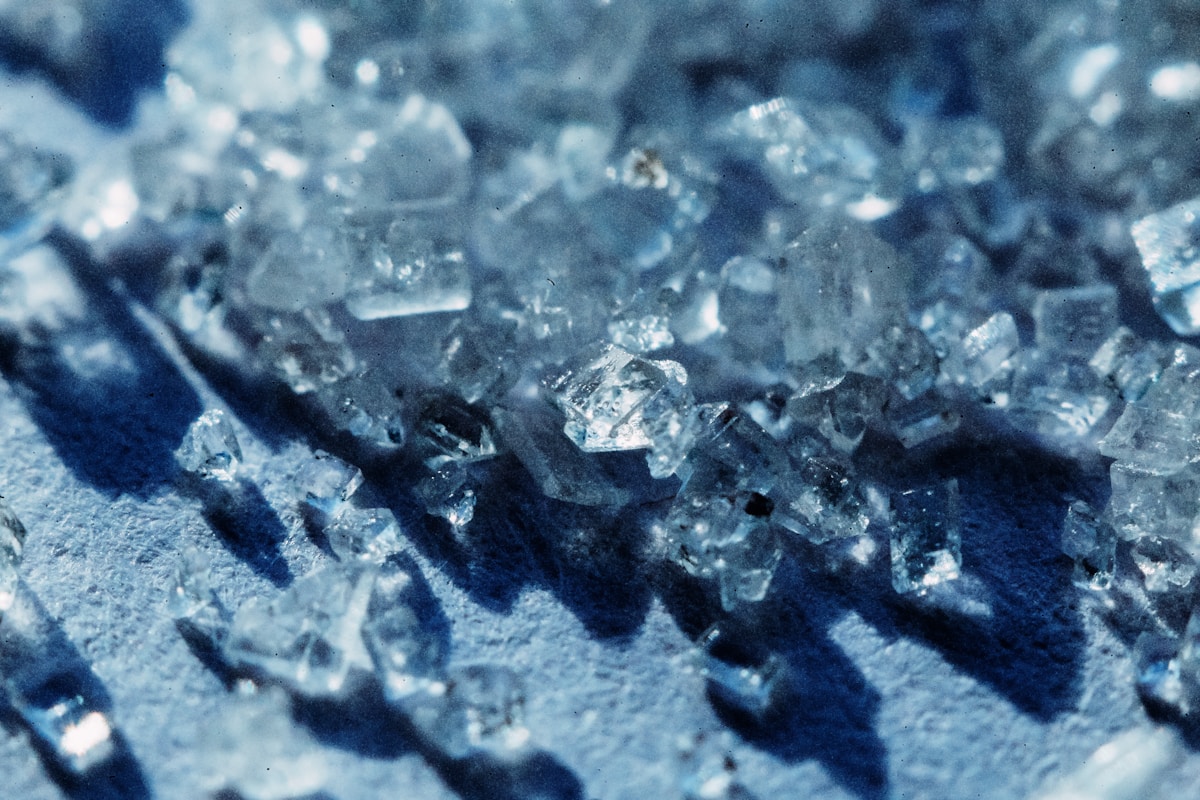
Maldon salt comes from the town of Maldon in Essex, England, where they’ve been harvesting it from the Blackwater Estuary for centuries. The process involves evaporating seawater and allowing the salt crystals to form naturally. What you get aren’t the tiny, dense cubes of table salt or the coarse, irregular grains of kosher salt. You get something unique: large, thin, hollow pyramid-shaped flakes.
Imagine a tiny, delicate glass pyramid. That’s a Maldon flake. When you sprinkle it on your food, it doesn’t just dissolve instantly. It sits on the surface, providing a distinct, delicate, and satisfying crunch before it melts away. This texture is the entire point. It’s a textural ingredient, not just a seasoning.
Here’s a quick comparison:
- Table Salt: Tiny, dense cubes. Dissolves very quickly, can taste harsh due to additives like iodine and anti-caking agents.
- Kosher Salt: Coarse, irregular flakes (like Diamond Crystal) or chunkier grains (like Morton). Great all-purpose salt for seasoning during cooking because it dissolves cleanly and is easy to pinch.
- Maldon Salt: Large, hollow pyramids. Provides a crunchy texture and a burst of clean, briny flavor. It’s the showstopper.
The hype isn’t about a better flavor of salt; it’s about a better experience of salt.
The Cardinal Rule: This Is a Finishing Salt
If you take away only one thing from this article, let it be this: Maldon is a finishing salt. Repeat that. Engrave it on your salt cellar. Its value is completely lost if you use it incorrectly.
What does “finishing salt” mean? It means you add it to your food at the very end, right before serving. The goal is for those beautiful pyramid flakes to sit on top of your steak, your salad, or your chocolate brownie, intact and ready to provide that signature crunch.
Here’s what happens if you treat it like regular salt: You decide to salt your pasta water with it. You toss a generous pinch of those expensive flakes into a rolling boil. Poof. They dissolve in less than a second. You have just made incredibly expensive salty water that tastes no different than if you’d used cheap table salt. The delicate structure, the very thing you paid a premium for, is gone forever.
Using Maldon salt to season a soup, a stew, a brine, or a marinade is like buying a Ferrari to haul gravel. (It’ll do the job, but it’s a terrible waste of a beautifully engineered machine.) For all of those tasks, stick with your inexpensive workhorse: kosher salt. Your wallet will thank you.
The Best (and Worst) Ways to Use Your Maldon
So, if you do decide to invest in a box, how do you get the most bang for your buck? You use it where that texture can be the star of the show. Think of it as edible glitter for grown-ups.
Where Maldon Truly Shines:
- A Perfectly Cooked Steak: This is the classic use case. Get your cast-iron pan ripping hot, maybe 450°F (230°C). Sear a beautiful thick-cut ribeye for a few minutes per side, let it rest for 10 minutes (this is non-negotiable), and slice it against the grain. As the juices pool on the cutting board, sprinkle a few of those delicate flakes over the pink interior. The crunch against the tender meat is absolute perfection.
- Roasted Vegetables: Take some broccoli or asparagus. Toss with olive oil and a pinch of kosher salt and pepper. Roast in a hot oven at 400°F (200°C) until the edges are crispy and browned. Transfer to a platter and then hit it with a sprinkle of Maldon. It adds a pop of salinity and texture that elevates a simple side dish.
- Chocolate Chip Cookies: My personal favorite. The moment they come out of the oven, while they are still puffy and glistening, sprinkle just a few flakes on top of each cookie. The combination of sweet chocolate, rich butter, and that crunchy, briny salt is one of the best bites in the food world. It cuts the sweetness and makes every other flavor more vibrant.
- Simple Salads and Appetizers: Think of a simple Caprese salad with ripe tomatoes, fresh mozzarella, and basil. A finishing touch of Maldon adds a textural surprise. Same goes for avocado toast, a perfectly poached egg, or creamy burrata.
Where Maldon Is a Total Waste of Money:
- Pasta Water: As we covered, don’t do it. Just don’t.
- Soups, Stews, and Sauces: The flakes will dissolve instantly, contributing nothing but sodium. Use kosher salt to season these dishes to taste as they cook.
- Brines and Cures: You need a large volume of salt for these applications. Using Maldon would be prohibitively expensive with zero textural benefit.
- Baking Inside a Dough: If you’re making bread, the salt gets dissolved into the liquid to control the yeast and season the dough. Maldon’s texture is irrelevant here.
The Cost Breakdown: Right Tool for the Job
Let’s talk numbers. A standard 8.5-ounce box of Maldon Salt might cost you around $6 to $9, which works out to roughly $0.70 to $1.00 per ounce. A 3-pound box of Diamond Crystal Kosher Salt might cost you the same amount, which comes out to less than $0.20 per ounce. That’s a huge difference.
But you’re not using them for the same purpose. Your kosher salt is the hammer in your toolbox—you use it all the time for the heavy lifting of seasoning. The Maldon salt is your precision screwdriver—you only pull it out for specific, delicate tasks where nothing else will do.
A single box of Maldon, when used correctly as a finishing salt, can last a home cook for months, even a year. You’re only using a tiny pinch at a time. When you think of it as a few cents per dish to add a chef-level textural element, the cost starts to look a lot more reasonable.
The Verdict: A Worthwhile Luxury, Not an Essential
So, do you need Maldon salt in your kitchen? No, you don’t. You can cook perfectly delicious food for the rest of your life using only kosher salt. It is not an essential.
However, is it worth it? For me, the answer is a resounding yes. It’s a small, relatively inexpensive luxury that can dramatically improve the final moments of eating certain dishes. It makes your food more interesting, more professional, and more fun to eat.
Think of it as an investment in the joy of cooking and eating. If you appreciate texture and want a simple way to make a good dish great, that little box of flaky magic is one of the best values in the entire gourmet food aisle.
My final kitchen tip: Don’t keep your Maldon in its cardboard box where you’ll forget about it. Put a small amount in a little pinch bowl or a salt cellar and keep it on your counter or your dining table. This simple visual cue will remind you to use it for what it’s best at: finishing.