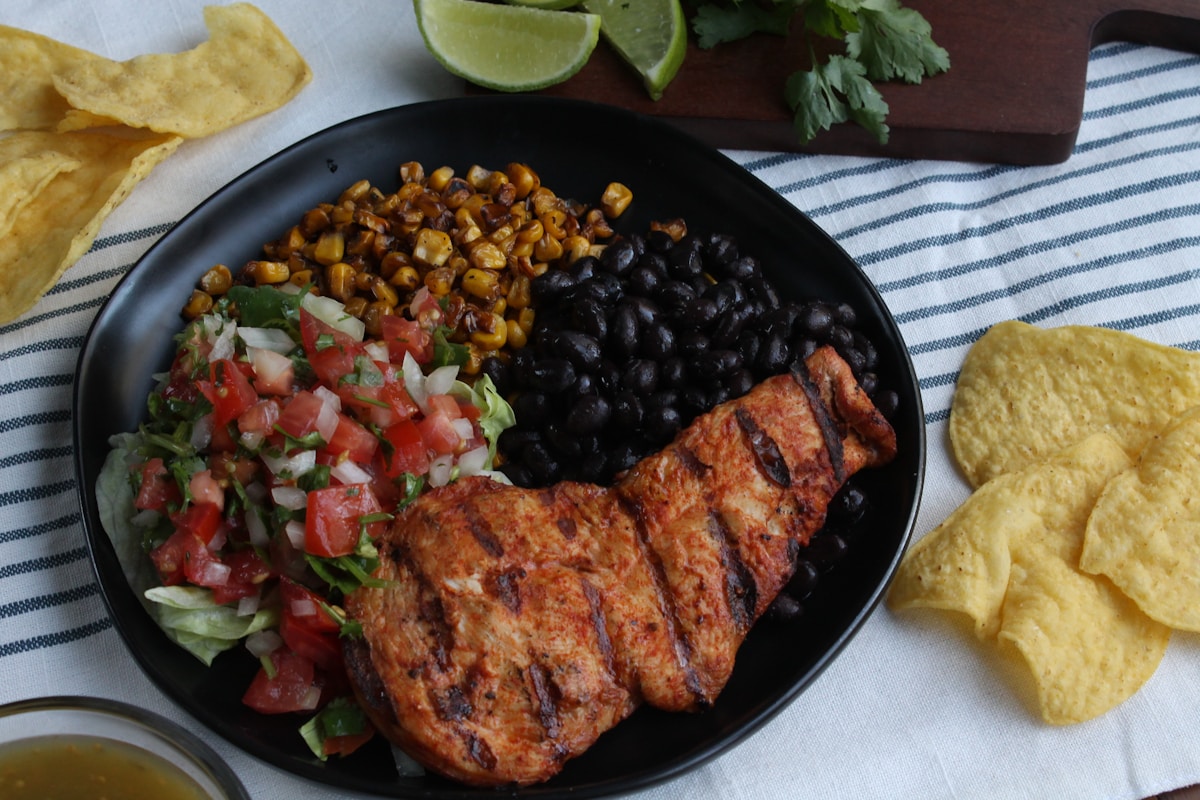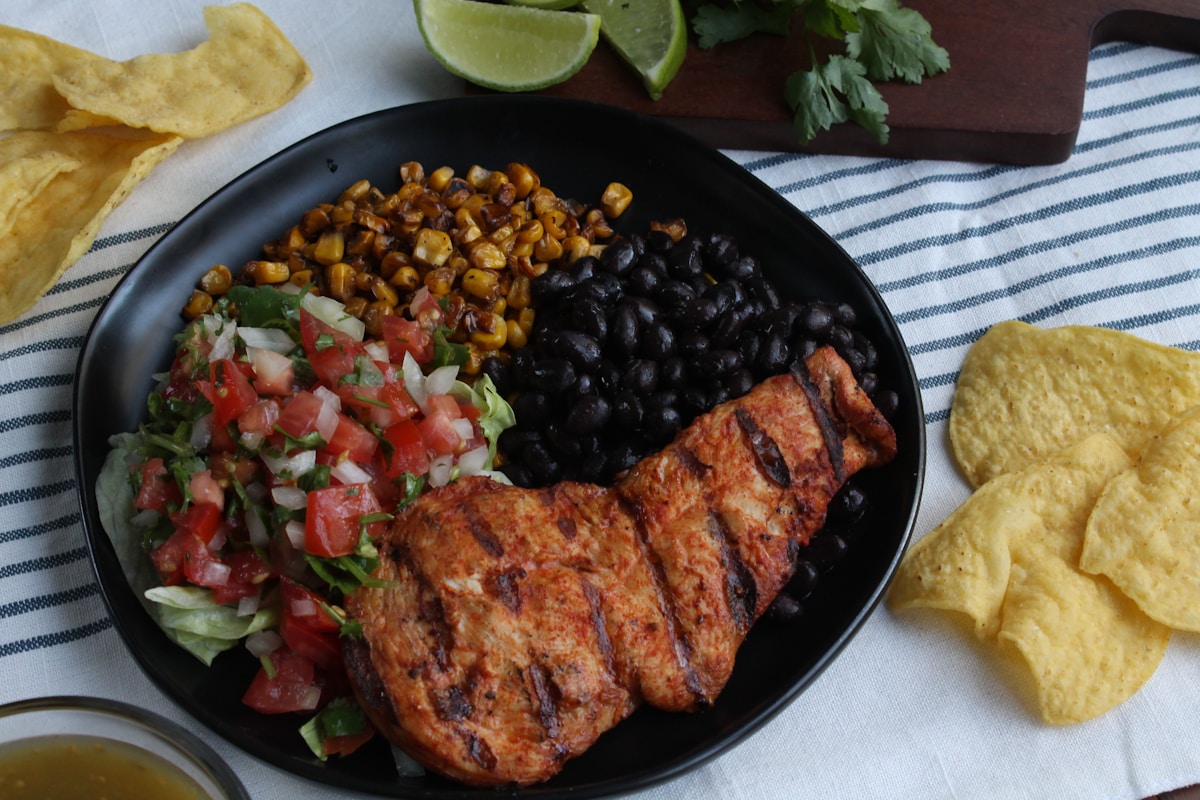
Picture this: You’ve got a bowl of gorgeous, ruby-red diced tomatoes. The onion is chopped, so finely it’s practically translucent. The jalapeño is ready to bring the heat. You are mere moments away from scooping up fresh, vibrant pico de gallo with a salty tortilla chip. You reach into the fridge for the two final, crucial ingredients and… your heart sinks. There’s no lime. And the cilantro you thought you had is nowhere to be found.
Deep breath. This is not a kitchen catastrophe. This is a kitchen adventure waiting to happen! We’ve all been there, staring into a crisper drawer that has let us down. But the beautiful thing about cooking is that it’s all about adapting. Your salsa is not doomed, I promise. It just might become something a little different, and just as delicious.
Everyone starts somewhere, and learning how to substitute ingredients on the fly is one of the most powerful skills you can develop. It’s how you build real confidence. So let’s forget about perfection and focus on making something wonderful with what we have. Today, we’re saving that salsa.
Understanding the Dynamic Duo Why Lime and Cilantro Matter
Before we can find good stand-ins, we need to understand the jobs that lime and cilantro are doing in the first place. Think of your pico de gallo ingredients as a band. The tomatoes are the rhythm guitar, the onions are the steady drumbeat, and the jalapeño is the fiery guitar solo. But lime and cilantro? They’re the bass player and the lead singer—they bring the whole thing together.
Lime’s Job: The Bright, Acidic Bassline
Lime juice does more than just add a sour taste. Its primary role is to provide acidity. In the world of flavor, acid is like turning up the brightness on a photograph. It makes every other flavor pop and taste more like itself. It cuts through the richness and sweetness of the tomato and mellows the sharp bite of the raw onion. That zesty tang is what makes pico de gallo taste so refreshing.
But it also has a secret scientific superpower! The acid in the lime juice performs a little bit of kitchen magic called denaturation. It ever-so-slightly “cooks” the other ingredients, a process you might recognize from ceviche. This helps the flavors meld together and also acts as a natural preservative, keeping your salsa looking and tasting fresh for longer. (Your future self will thank you.)
Cilantro’s Job: The Fresh, Herbaceous Lead Singer
Cilantro brings that unmistakable fresh, pungent, and slightly citrusy high note. It’s the flavor that sings above everything else. It adds a layer of green, herbaceous complexity that is the signature of classic pico de gallo. For many, its flavor is non-negotiable.
Of course, we have to acknowledge the elephant in the room: for a portion of the population, cilantro tastes like a bar of soap. If that’s you, you’ve probably been looking for a substitute your whole life! Whether you’re missing it from your fridge or you have the “soap gene,” the goal is to find another fresh herb that can provide a similar green, bright lift without completely overpowering the dish.
Smart Swaps for When You Have No Lime
Okay, your salsa is missing its acidic backbone. The key is to replace it with another acid that provides a similar clean, bright flavor. This is not the time for a heavy, aged balsamic vinegar.
Your Best Bet: Other Citrus
If you have any other citrus fruit on hand, you’re in luck. This is the closest and most effective substitution.
- Lemon Juice: This is your number one choice. It has a similar acidic profile to lime, though it’s slightly less floral and a touch sweeter. For pico de gallo, the difference is subtle enough that most people won’t even notice. Use it in a direct 1:1 ratio. If your recipe calls for 2 tablespoons of lime juice, use 2 tablespoons of fresh lemon juice.
- Key Lime Juice: If you happen to have key limes or bottled key lime juice (like Nellie & Joe’s Famous Key West Lime Juice), that works beautifully. It’s more aromatic and intense than standard Persian limes, but fantastic in salsa.
- A Splash of Orange Juice: This is a bit of a curveball, but it can work. Orange juice is less acidic and much sweeter, so use it in combination with lemon or vinegar if you can. If it’s all you have, use it, but know that your pico will have a distinctly sweeter, fruitier note. Start with half the amount and add more to taste.
In a Real Pinch: A Touch of Vinegar
No citrus at all? Head to the pantry. A light, clear vinegar can provide the necessary acidity, but you must be careful. Vinegars are much harsher and more pungent than citrus juice.
- White Wine Vinegar: This is my top vinegar choice. It’s light, crisp, and relatively neutral. The key is to use less. For every 1 tablespoon of lime juice required, start with just 1 ½ to 2 teaspoons of white wine vinegar. Stir it in, let it sit for a minute, and taste. You can always add more.
- Apple Cider Vinegar: This can also work, but it brings its own distinct fruity, apple-like flavor to the party. If you like the taste of apple cider vinegar, you might love it! Use the same ratio as white wine vinegar: start with about half the amount of lime juice your recipe calls for.
- What to Avoid: Steer clear of dark, heavy vinegars like balsamic or malt vinegar. And please, avoid plain white distilled vinegar unless it’s an absolute last resort—its flavor is incredibly harsh and can easily overwhelm your beautiful fresh ingredients. Remember that Reddit story about a coworker using garlic and green onions? They weren’t replacing the function of the ingredient, and the result was… not good. We want to replace acid with acid.
Solving the Cilantro Conundrum
Whether you forgot to buy it or you’re genetically predisposed to dislike it, you still need a fresh, green element to lift your salsa. The goal is to add that visual appeal and herbaceous note.
The Go-To Substitute: Fresh Parsley
Italian flat-leaf parsley is the undisputed champion of cilantro substitution. It looks similar and provides a wonderful, clean, green freshness. It does not taste like cilantro—it has a much milder, peppery flavor. But it does the job of an herb beautifully.
- How to Use It: Chop it up and use it in a 1:1 ratio for the cilantro. If the recipe calls for ¼ cup of chopped cilantro, use ¼ cup of chopped fresh flat-leaf parsley. (Curly parsley will also work, but flat-leaf has a better flavor and texture for this.)
Getting a Little More Creative
If you don’t have parsley, there are a few other options that can bring an interesting twist to your salsa.
- Celery Leaves: Don’t throw away those leaves at the top of your celery stalks! They have a lovely, subtle celery flavor that is surprisingly delicious in a fresh salsa. Finely chop them and start with about half the amount of cilantro called for, then add more to taste.
- A Tiny Pinch of Fresh Oregano: I mean a tiny pinch. Fresh oregano is incredibly potent and has a strong, pungent flavor that’s more common in Italian or Greek cuisine. But a very small amount, finely minced, can add a nice herbaceous note. Start with a teaspoon for a whole bowl of salsa and see what you think.
- Fresh Mint: This will completely change the flavor profile, pushing your salsa towards a more Southeast Asian or Middle Eastern vibe, but it can be absolutely delicious! A little chopped mint can be incredibly refreshing with tomato and onion. Think of it as a pico-de-gallo-meets-tabbouleh experiment.
Your “Saved-the-Day” Salsa Recipe
Let’s put this into practice. Here is a basic recipe for a fantastic fresh salsa using our star substitutes. This isn’t traditional pico de gallo anymore, and that’s okay! We’re giving it a new name: “Saved-the-Day Salsa.”
Ingredients:
- 2 large ripe tomatoes, diced
- ½ a medium white or red onion, finely chopped
- 1 jalapeño, seeds and ribs removed, minced (use more or less depending on your heat preference)
- 2 tablespoons of fresh lemon juice (our lime substitute)
- ¼ cup of finely chopped fresh flat-leaf parsley (our cilantro substitute)
- ½ teaspoon of salt, plus more to taste
Instructions:
- Combine Everything: In a medium bowl, gently combine the diced tomatoes, chopped onion, and minced jalapeño.
- Add the “Magic” Substitutes: Pour the lemon juice over the mixture. Sprinkle in the chopped parsley and the salt.
- Stir and Rest: Gently stir everything together until it’s well combined. Now for the most important step: let it sit! Give it at least 15-20 minutes on the counter. This allows the lemon juice to do its work and for all the flavors to get to know each other.
- Taste and Adjust: After it rests, give it one final stir and taste it with a chip. Does it need more salt? A little more lemon juice? A bit more parsley? Now is the time to adjust it until it tastes perfect to you.
Try This Tonight:
Don’t wait for a salsa emergency. I want you to try this on purpose. Tonight, make a tiny bowl of this “Saved-the-Day Salsa.” Just chop up one tomato, a little bit of onion, and use lemon and parsley. Serve it with a handful of chips or spoon it over a piece of grilled chicken. See how delicious “different” can be. It’s a low-stakes way to prove to yourself that you can trust your instincts in the kitchen. Because remember, the kitchen is more forgiving than you think, and the goal is always to create something that brings you joy.