


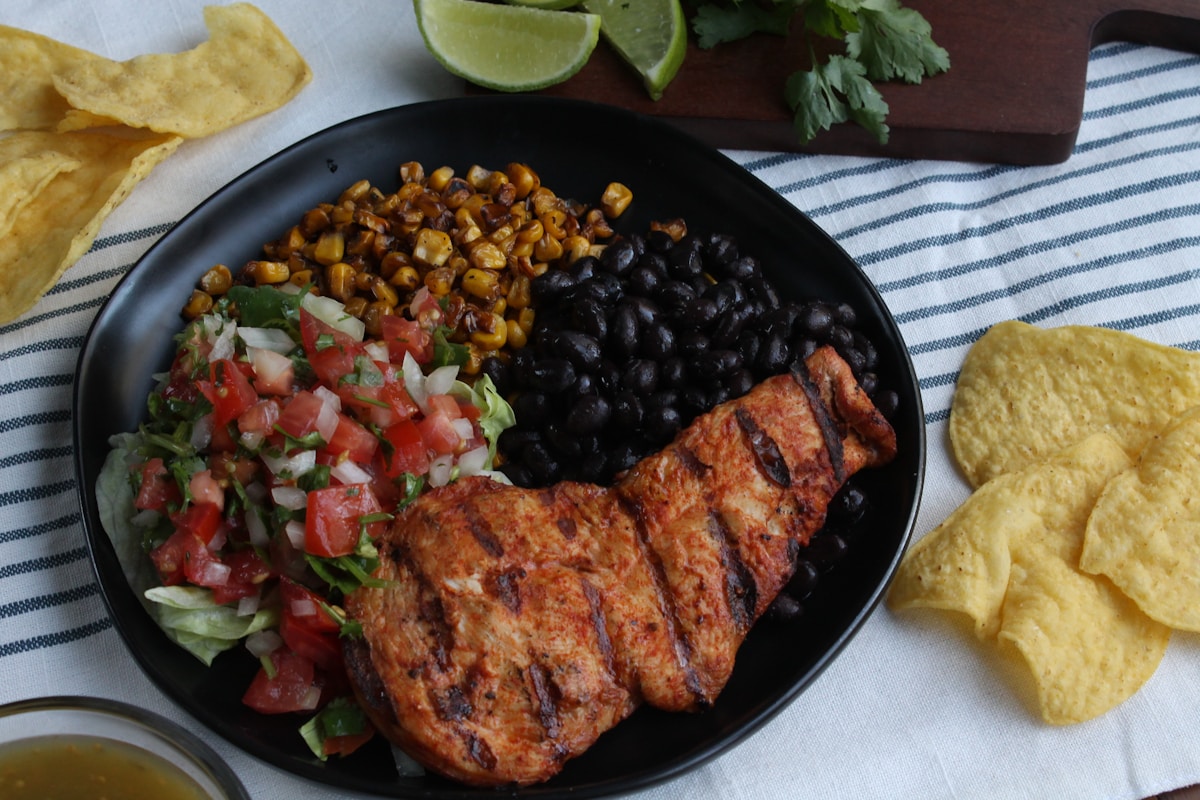
You’re standing in your kitchen, ready to assemble the most amazing tacos. You’ve got your seasoned protein sizzling, your tortillas warming, and a beautiful pile of freshly diced tomatoes and onions on your cutting board. You reach for the final, crucial ingredients for your pico de gallo, and then it hits you: there’s no lime in the fruit bowl, and the cilantro you thought you had is nowhere to be found.
We’ve all been there. That little moment of panic where you wonder, “Can I even make this anymore? Is it ruined?” Let me put your mind at ease right now: it’s not ruined. You can absolutely still make a delicious fresh salsa. But can you still call it pico de gallo? That, my friends, is a fantastic question that gets to the very heart of what makes this classic condiment so magical.
Let’s dive in together. We’re not here to follow rigid rules; we’re here to understand why those rules exist in the first place. Because once you understand the ‘why,’ you become the boss of your own kitchen.
What Exactly Makes Pico de Gallo… Pico?
Before we can talk about leaving things out, we need to appreciate what’s supposed to be in! Classic pico de gallo, sometimes called ‘salsa fresca’ (which just means ‘fresh sauce’), is a beautiful, minimalist masterpiece. It’s built on five core pillars:
- Tomatoes: The juicy, sweet, and slightly acidic body.
- Onion: Provides a sharp, pungent bite and crisp texture.
- Jalapeño: Brings the heat and a green, vegetal flavor.
- Cilantro: The fresh, herbaceous, citrusy high note.
- Lime Juice: The bright, zesty acid that ties everything together.
That’s it. Salt is a given, of course, to make all those flavors pop. The beauty of pico de gallo is its raw simplicity. Unlike cooked salsas that are often pureed and simmered, pico is all about the fresh, chunky texture and the vibrant, distinct taste of each ingredient. Think of it less as a ‘sauce’ and more as a fresh, chopped salad that you put on top of other foods. The name itself, ‘pico de gallo,’ translates to ‘rooster’s beak,’ and some say it’s because people used to eat it by pinching it between their thumb and forefinger, like a pecking rooster. The key is balance—a perfect harmony between sweet, sharp, spicy, herbaceous, and acidic.
The Role of Lime More Than Just a Squeeze of Sour
Okay, let’s talk about that little green powerhouse: the lime. It’s so easy to think its only job is to add a sour taste, but it’s doing so much more behind the scenes. Think of lime juice as the conductor of the pico de gallo orchestra. Without it, all the instruments are just playing their own tune, but the conductor is what brings them together into a beautiful symphony.
First, there’s a little bit of kitchen science at play. The process is called denaturation. The citric acid in the lime juice ever-so-slightly ‘cooks’ the other ingredients, especially the onion. Have you ever noticed how raw onion can be overwhelmingly sharp and pungent? The lime juice mellows that sharp bite, making the onion play nicely with the sweet tomatoes. It’s like a time-out for the onion’s aggressive flavor.
Second, lime juice is a fantastic brightener. It acts like a spotlight, making the sweet flavor of the tomatoes and the fresh taste of the cilantro shine even more brightly. It prevents the salsa from tasting flat or one-dimensional. Finally, it’s a natural preservative. The acid helps slow down oxidation, which is the process that makes things like avocados (and your pico) turn brown and sad-looking. So, a good squeeze of lime keeps your pico looking vibrant and fresh for longer.
Leaving it out means you’ll have a salsa with a much harsher onion flavor, less vibrant tomato notes, and it just won’t have that signature zesty ‘pop’ that makes you want to go back for another scoop.
The Cilantro Conundrum The Herb You Love or Hate
Now for the most controversial herb in the culinary world: cilantro. For most people, it has a wonderfully fresh, citrusy, and slightly peppery flavor that is absolutely essential to dishes like pico de gallo. It’s the signature scent, the irreplaceable ‘green’ note.
However, for about 10% of the population, a specific gene (called OR6A2) makes cilantro taste and smell distinctly like soap or dirt. If that’s you, please know you are not a picky eater! Your brain is literally wired differently. So, when you say it tastes awful, you are 100% correct for your own palate.
For the rest of us, leaving out cilantro leaves a massive hole in the flavor profile. It’s like listening to a song without the lead melody. The background rhythm of the tomato and onion is still there, but the part that makes you hum along is missing. It’s the difference between a simple chopped veggie mix and a true, crave-able salsa fresca.
So, if you’re out of cilantro or you’re one of our soap-gene friends, you aren’t just removing an ingredient; you’re fundamentally changing the character of the dish. (Don’t worry, we have a plan for you!)
So Can You Call It Pico Without Them The Honest Truth
Here’s my philosophy: The kitchen police aren’t going to knock down your door. If you make a fresh salsa with tomato, onion, and jalapeño, you’ve made something delicious! The goal is always to make food you love.
However, from a culinary standpoint, if you leave out both the primary acid (lime) and the primary herb (cilantro), you no longer have what is traditionally defined as pico de gallo. You have a simple tomato relish or a chopped salad. It can still be great on tacos, but it won’t have the complex, bright, and zesty flavor profile that makes pico so special.
Think of it like making a BLT. If you leave out the lettuce, it’s a BT sandwich. Still good! If you leave out the bacon, it’s a tomato sandwich. Also good! But it’s not a BLT anymore. It’s the same idea here. Lime and cilantro are foundational to the identity of pico de gallo.
Your Ultimate Guide to Pico de Gallo Substitutions
Life happens! Fridges run empty and taste buds vary. Here’s how you can adapt and overcome when you’re missing these key players.
If you’re out of LIME:
- Best Alternative: Fresh lemon juice. It will provide the necessary acid to mellow the onion and brighten the flavors. It will taste a bit different—more purely sour and less floral than lime—but it’s a very close second.
- In a Pinch: A tiny splash of a light-colored vinegar like white wine vinegar or apple cider vinegar. Please use this sparingly. Start with just a half-teaspoon, stir, and taste. Vinegar is much harsher than citrus juice and can easily overpower everything.
- Kitchen Hack: I always keep a bottle of high-quality key lime juice, like Nellie & Joe’s, in my pantry for emergencies. It’s not quite the same as fresh-squeezed, but it’s a thousand times better than nothing when you’re in a bind.
If you can’t use CILANTRO (either by choice or by chance):
- The Soap-Gene Savior: Fresh flat-leaf (Italian) parsley is your best friend. Finely chop a good handful. It will provide that fresh, green, herbaceous quality without any of the soapiness. It won’t taste the same as cilantro, but it fills the void beautifully. To add back a little complexity, you can add a tiny pinch of dried oregano or even some fresh lime zest.
- Other Fresh Ideas: The green tops of scallions (green onions), sliced very thinly, can add a fresh, mild oniony bite. For a completely different but delicious twist, a tiny amount of finely minced fresh mint can be surprisingly wonderful, especially if you’re serving it with lamb or grilled pork.
Beatrice’s Classic Pico & Your Try This Tonight Challenge
Ready to taste the magic for yourself? Here is my go-to, never-fails recipe. The secret is dicing everything to a similar, small size—about 1/4 inch (or about 6mm). It ensures you get a little bit of everything in each bite.
Ingredients:
- 4 ripe but firm Roma tomatoes, seeds removed and finely diced
- 1/2 a medium white onion, finely diced
- 1 jalapeño, stem and seeds removed, minced (leave a few seeds if you like it spicy!)
- 1/2 cup loosely packed fresh cilantro, chopped
- Juice of 1 to 2 fresh limes (start with one, taste, and add more if needed)
- 1/2 teaspoon kosher salt, or more to taste
Instructions:
- Dice Your Veggies: The most important step! Take your time to dice the tomato, onion, and jalapeño into small, even pieces. This isn’t a rustic, chunky salsa; we’re going for refined confetti.
- Rinse Your Onion (Optional Pro Tip): If you find raw onion too strong, give your diced onions a quick rinse under cold water in a fine-mesh sieve. Pat them completely dry before adding them. This washes away some of the sulfur compounds that cause that sharp bite.
- Combine and Season: In a medium bowl, combine the diced tomato, onion, jalapeño, and chopped cilantro. Squeeze the juice of one lime over the top and add the salt.
- Stir and Rest: Gently stir everything together. Now for the hard part: let it sit for at least 15 minutes. This gives the lime juice time to work its magic and for all the flavors to get to know each other. Taste it and add more salt or lime juice if you think it needs it.
Your “Try This Tonight” Challenge:
I want you to experience the ‘why’ for yourself. Tonight, make a half-batch of the recipe above. Then, in a separate small bowl, mix just a little bit of the diced tomato and onion without any lime, cilantro, or salt. Taste a bite of the plain mix on a chip. Then taste a bite of the finished pico de gallo. The difference will be astounding. It’s a five-minute experiment that will teach you more than any article ever could about the power of acid and herbs. Go on, give it a try!


