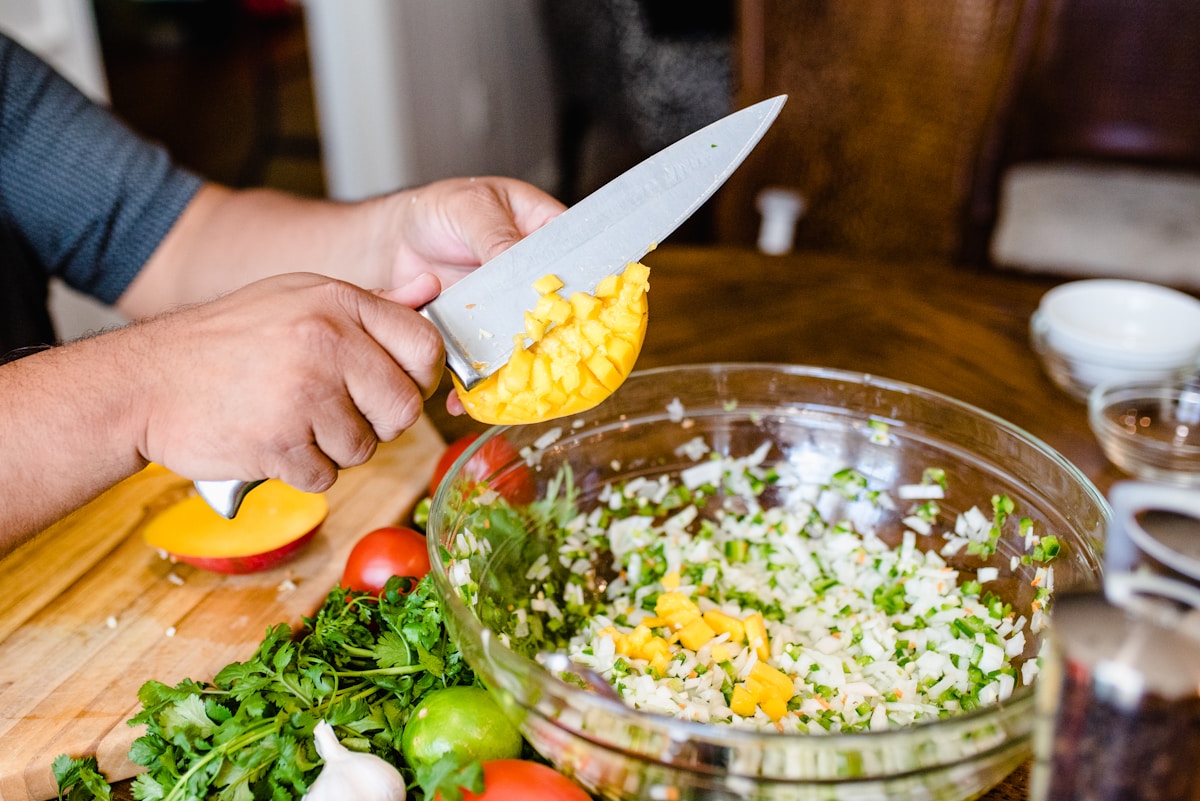
You’re standing in your kitchen, surrounded by a rainbow of freshly chopped ingredients. The ruby red of the tomatoes, the crisp white of the onion, the vibrant green of cilantro and jalapeño. It’s a beautiful sight, the beginning of a perfect pico de gallo. You reach for the final, crucial ingredient—the lime—and your hand meets an empty fruit bowl.
That little pang of disappointment is so real, isn’t it? It feels like the whole dish is suddenly in jeopardy. Take a deep breath. I’ve been there, and I promise you, all is not lost. Your delicious, fresh salsa is still completely possible. Everyone starts somewhere, and learning to pivot with what you have is one of the most valuable kitchen skills you can learn. The kitchen is more forgiving than you think, and today we’re going to rescue that pico.
Why Lime is Pico de Gallo’s Superhero
Before we dive into the substitutes, let’s take a second to understand why lime juice is so important in this classic fresh salsa. It’s not just there to make things taste a little sour. Lime juice is a multitasking marvel, and knowing its job helps us find the perfect understudy.
First, there’s the obvious: flavor. The acidity in lime juice is like turning on the lights in a room. Suddenly, all the other flavors become brighter and more distinct. It cuts through the sweetness of the ripe tomatoes and tames the sharp, pungent bite of the raw onion, bringing everything into perfect, harmonious balance. Without it, pico can taste a little flat, like a song with no high notes.
Second, acidity is a natural preservative. When you cut into vegetables like tomatoes and onions, you expose them to oxygen, which starts a process called oxidation. This can lead to off-flavors and that slightly sad, wilted look. The acid from the lime juice significantly slows this process down, keeping your pico de gallo looking and tasting fresh and vibrant for much longer. It’s the reason your salsa still tastes great on day two (if there’s any left!).
Finally, it contributes to the final texture. The combination of salt and acid works to draw moisture out of the tomatoes, creating that signature juicy, spoonable consistency we all love. So, when we’re looking for a substitute, we need something that can provide that bright, acidic spark to do all three of these important jobs.
Your Best Friend in a Pinch The Lemon
Let’s start with the absolute best, most reliable substitute for lime juice: its citrus cousin, the lemon. If you have a fresh lemon on hand, you are in fantastic shape. While the flavor isn’t an exact match, it’s so close that most people would never notice the difference once it’s mixed with all the other powerful ingredients in pico de gallo.
Lemons and limes both get their sour power from citric acid, so they function almost identically in the recipe. The substitution is wonderfully simple: use a 1-to-1 ratio. If your recipe calls for the juice of one lime (which is typically about 2 tablespoons), simply use the juice of one lemon (or 2 tablespoons of fresh lemon juice).
What’s the flavor difference? I find that lemon juice is a bit brighter and more direct in its sourness—like a sunny summer day. Lime juice has a slightly more complex, almost floral aroma and taste. But honestly, in a dish as bold as pico de gallo, this subtle difference is a minor detail. The lemon will absolutely provide the necessary acidity to make your salsa sing.
A crucial tip: please, please use freshly squeezed juice. (Your future self will thank you.) The bottled lemon juice you find on grocery store shelves has been pasteurized (heated), which gives it a muted, almost “cooked” flavor. In a fresh, uncooked dish like pico, that off-flavor is much more noticeable and can really detract from the final result. Squeezing a fresh lemon takes just a moment and makes a world of difference.
Exploring the Pantry The Vinegar Squad
Okay, so what if you have no fresh citrus at all? No limes, no lemons. It’s time to head to the pantry and call in the vinegar squad. Vinegar’s acidity comes from acetic acid, not citric acid, so the flavor will be different—sharper and more pungent. But it can absolutely work if you’re careful.
The key with vinegar is to use less than you would with lime juice. Start with about half the amount the recipe calls for, stir it in, wait a minute, and taste. You can always add more, but you can’t take it away!
Here are your best vinegar options:
- White Wine Vinegar: This is my top choice from the vinegar family. It’s light, crisp, and has a relatively neutral flavor profile that won’t overpower the delicate vegetables. It provides a clean acidity that works quite well.
- Apple Cider Vinegar: A great option, but it brings its own fruity flavor to the party. This can actually be delicious, especially if your tomatoes are super sweet. It has a slightly softer edge than white wine vinegar.
- Rice Vinegar: This is the mildest of the bunch. If you have unseasoned rice vinegar, it’s an excellent choice because its flavor is so subtle. It will provide the necessary acidic kick with very little competing flavor.
And a word on what to avoid: stay away from dark, heavy, or strongly flavored vinegars like balsamic or red wine vinegar. They will completely change the flavor profile and, frankly, will turn your beautiful pico a rather unappetizing brownish color. (I learned this the hard way once. We all have those kitchen learning moments!)
The Science Experiment and Other Clever Tricks
If you’re truly in a bind with no citrus and no suitable vinegar, there are a couple of other clever tricks you can pull from your sleeve. These are a little more unconventional, but they get the job done.
One option is a little pinch of citric acid, sometimes sold as “sour salt.” This is literally the powdered form of the acid found in lemons and limes. It provides pure sourness with zero citrus flavor. You have to be very careful with it because it’s incredibly potent. A tiny pinch—maybe 1/8 of a teaspoon—dissolved in a tablespoon of water is all you need for a whole batch of pico. It’s a last resort, but an effective one.
Another fantastic idea, which I’ve seen fellow home cooks rave about, is to use a combination of substitutes. If you’re using vinegar, which can be a bit harsh, add a tiny splash of orange juice. The sweetness from the OJ helps to round out the sharp edges of the vinegar and mimic the unique sweet-tart balance of a fresh lime. It’s a brilliant little hack that adds a surprising amount of dimension.
A Perfect Pico Recipe (No Matter the Acid)
Now that you have your secret weapon substitute ready, let’s put it all together. Here is a simple, can’t-mess-it-up recipe for a fantastic bowl of pico de gallo.
You Will Need:
- 4-5 ripe Roma tomatoes (they have fewer seeds and less water)
- 1/2 medium white onion, finely diced
- 1 jalapeño, seeds and ribs removed for less heat, minced
- 1/2 cup loosely packed fresh cilantro, chopped
- The juice of 1 lime (OR 2 tablespoons of your chosen substitute, like lemon juice or 1 tablespoon of vinegar to start)
- 1/2 teaspoon kosher salt, plus more to taste
The Method:
- Prep Your Veggies: The secret to great pico is a consistent, small dice. Take your time chopping the tomatoes, onion, and jalapeño into uniform pieces. This ensures you get a little bit of everything in each bite.
- Combine: In a medium-sized bowl, gently combine the diced tomatoes, onion, jalapeño, and chopped cilantro.
- Season and Acidify: Sprinkle the salt over the mixture. Now, add your acid! Whether it’s lime, lemon, or a splash of vinegar, drizzle it over everything.
- Stir and Rest: Gently stir it all together. And now for the most important step that most people skip: let it rest. Set the bowl aside for at least 15-20 minutes. This gives the salt time to draw the delicious juices out of the tomatoes and allows all the flavors to mingle and become friends.
- Taste and Adjust: After it has rested, give it one last stir and taste it with a chip. Does it need more salt? A little more acid? Now is the time to make adjustments. Once it tastes perfect, you’re ready to serve.
Try This Tonight
Feeling a little more confident? I hope so. The fear of not having the “right” ingredient can be paralyzing, but cooking is all about creative problem-solving.
Here’s a small, no-pressure experiment. Tonight, dice up just one tomato and a tiny bit of onion. Divide it into two little bowls. In one, squeeze a wedge of lemon. In the other, add a tiny splash of white wine vinegar. Add a pinch of salt to both. Taste each one. See how they’re different, but both are delicious? You’ve just proven to yourself that you know how to balance flavors, and that is a skill that will serve you forever in the kitchen. Happy cooking!