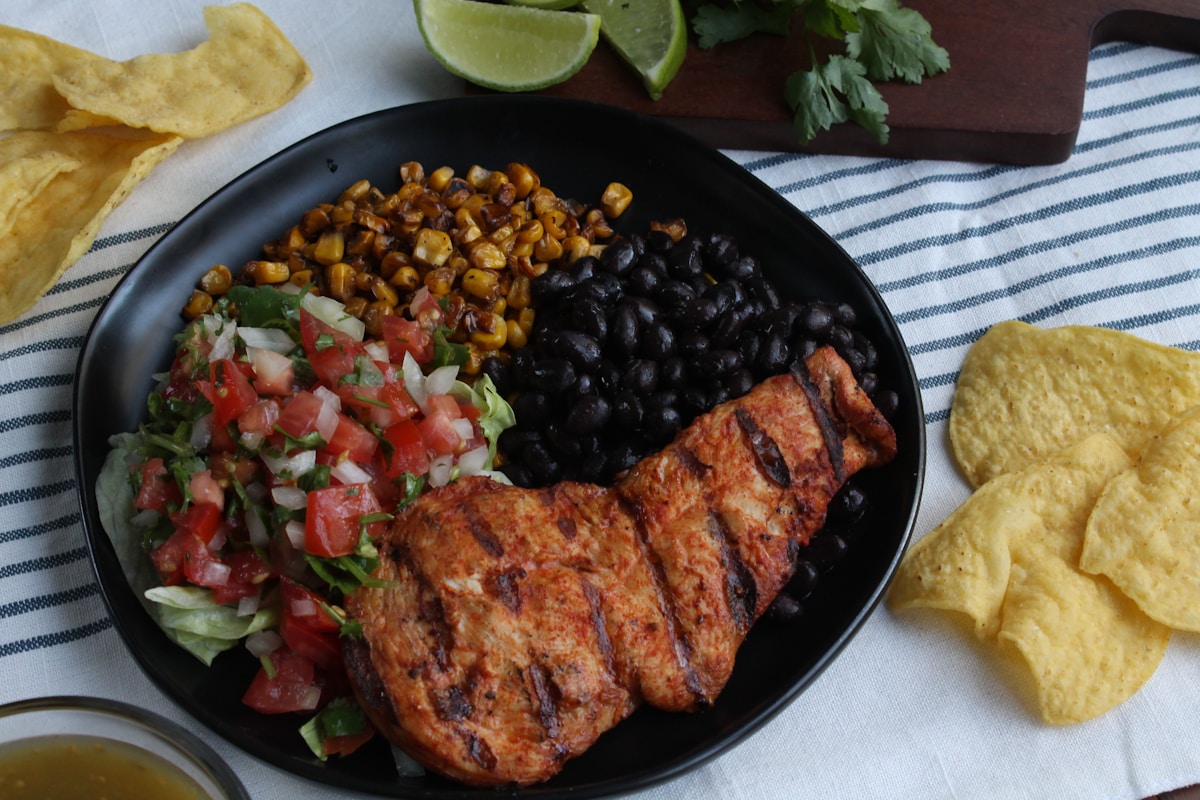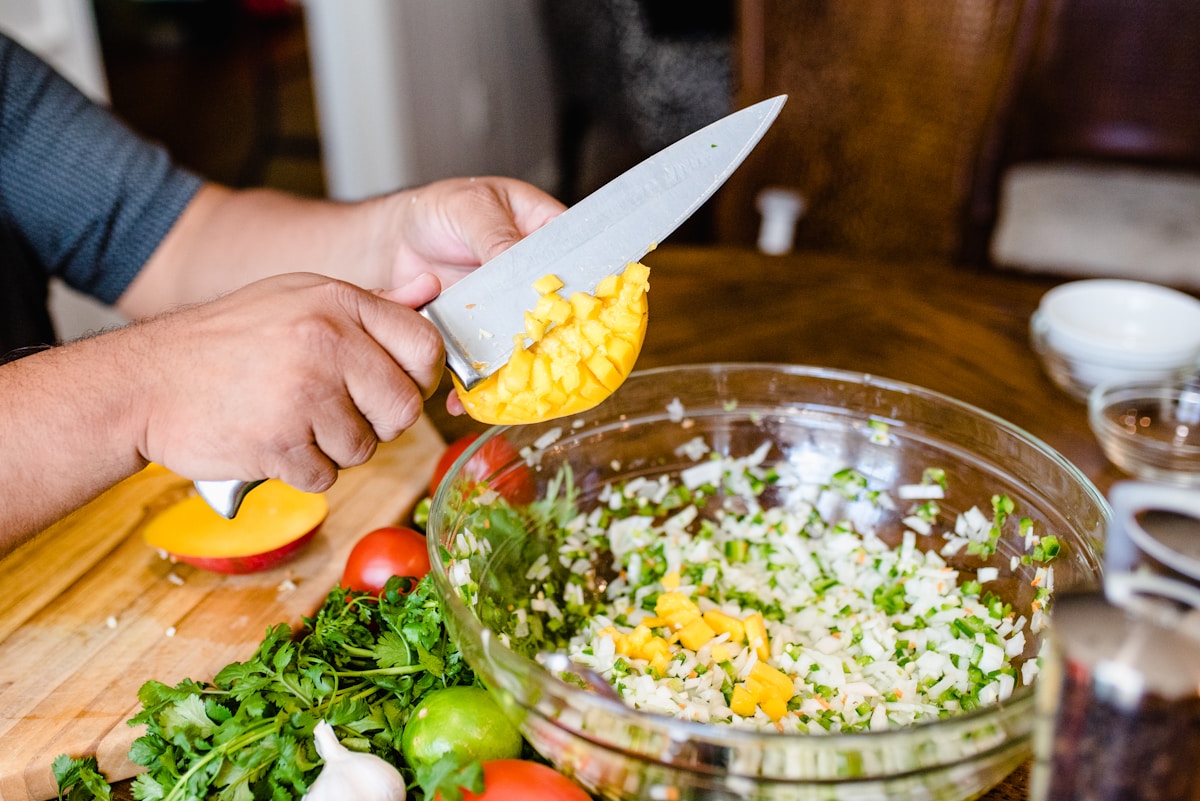
You’re there. You’ve done the work. The kitchen counter is a vibrant mosaic of finely diced red tomatoes, crisp white onion, and specks of fiery green jalapeño. You can practically taste the freshness. You reach into the fridge for that final, crucial ingredient—the bunch of cilantro that will tie it all together—and your heart sinks.
Maybe you forgot to buy it. Maybe the bunch you bought yesterday is already a sad, wilted mess. Or maybe, just maybe, you’re one of the many people for whom cilantro tastes less like a fresh herb and more like a mouthful of soap.
Whatever the reason, take a deep breath. Your pico de gallo, and your taco night, are not ruined. The kitchen is a place for creative solutions, not rigid rules. Everyone starts somewhere, and that somewhere often involves a missing ingredient. Let’s talk about how to make a truly delicious pico de gallo, with or without its most famous herb.
Why Cilantro Matters (And Why It’s Okay to Skip It)
First, let’s understand what cilantro is even doing at the party. In a classic pico de gallo, cilantro isn’t just there for its bright green color. It brings a very specific flavor: a bright, citrusy, almost peppery note that cuts through the richness of the foods you pair it with, like grilled meats or cheesy quesadillas. It’s the high note in the salsa’s symphony.
But here’s the secret: a symphony can still be beautiful even if you change one of the instruments. The goal is to maintain balance. Pico de gallo relies on the harmony of fresh tomato, sharp onion, spicy chile, and acidic lime. As long as those core elements are there, you have a fantastic foundation. The herb is just one part of the chord.
So, whether you’re out of cilantro or you’re genetically predisposed to dislike it (more on that later!), you have plenty of delicious options. You’re not failing at the recipe; you’re just customizing it.
The Top 3 Substitutes for Cilantro in Your Pico
When you need a substitute, you want something that plays a similar role without completely changing the dish. Think of it like swapping a lead singer in a band—you want someone whose voice fits the music. Here are your best bets.
1. Flat-Leaf Parsley (The All-Star Understudy)
This is, without a doubt, the most popular and effective substitute. Flat-leaf parsley (also called Italian parsley) offers a similar fresh, green, herbaceous quality. It looks almost identical when chopped, so you’ll get that beautiful confetti of green.
- Flavor Profile: Clean, grassy, and slightly peppery. It lacks the distinct citrusy zing of cilantro, but its freshness is a perfect match for pico.
- How to Use It: Use it in a 1-to-1 ratio. If your recipe calls for 1/2 cup of chopped cilantro, use 1/2 cup of finely chopped flat-leaf parsley.
- Kitchen Hack: To mimic cilantro’s unique brightness, add the chopped parsley and an extra squeeze of fresh lime juice—about 1 teaspoon of juice for every 1/2 cup of parsley. This combination gets you surprisingly close to the original flavor profile!
- Important Note: Be sure to use flat-leaf parsley, not the curly kind. Curly parsley has a much harsher, more bitter flavor and a tough texture that isn’t pleasant in a fresh salsa.
2. Fresh Oregano (The Authentic Alternative)
If you want to lean into a different but still authentically Mexican flavor profile, fresh oregano is a fantastic choice. It has a more robust, earthy, and peppery flavor that pairs beautifully with tomato and onion.
- Flavor Profile: Earthy, peppery, and slightly minty. It’s a stronger, more assertive flavor than cilantro.
- How to Use It: A little goes a long way. Start with much less than you would cilantro. For a recipe calling for 1/2 cup of cilantro, begin with just 1 tablespoon of finely chopped fresh oregano. Stir it in, let it sit for a minute, then taste. You can always add more.
- What About Dried? In a pinch, dried oregano can work, but it’s even more potent. Use about 1 teaspoon of dried oregano to replace 1/2 cup of fresh cilantro. It’s best to crush the dried leaves between your fingers as you add them to release their essential oils.
3. Celery Leaves (The ‘Waste-Not’ Wonder)
Don’t throw away the leafy tops of your celery stalks! The tender, pale green leaves from the heart of the celery bunch are a fantastic, no-cost substitute. (Your future self will thank you for being so resourceful.)
- Flavor Profile: Mildly peppery and vegetal, with a fresh flavor that echoes celery without being overpowering.
- How to Use It: They are delicate, so you can use them in a 1-to-1 ratio. Finely mince 1/2 cup of celery leaves to replace 1/2 cup of cilantro. They provide that necessary green freshness and a pleasant, subtle herbaceousness.
Beyond the Basics Creative Alternatives
Feeling a bit more adventurous? These options will change the flavor profile of your pico more significantly, but the results can be surprisingly delicious.
- Chives or Green Onion Tops: These won’t provide the same leafy feel, but they will add a fresh, mild oniony bite that is wonderful in its own right. Finely slice them and start with about half the amount the recipe calls for in cilantro.
- Fresh Mint: This is a bold move, but it can be amazing! A little bit of finely chopped mint can give your pico a vibrant, cool lift that is incredibly refreshing, especially on a hot day. Think of it as a pico de gallo with a mojito-inspired twist. Use it sparingly to start.
- Just Leave It Out: (Yes, really.) It is 100% okay to make pico de gallo with no herbs at all. A simple mix of tomato, onion, jalapeño, lime juice, and salt is a classic condiment in Mexico, sometimes called salsa mexicana. It’s clean, simple, and lets the quality of your vegetables shine. It’s not a failure; it’s a choice!
The ‘Soap Gene’ Explained It’s Not Just You!
If you’re in the “cilantro tastes like soap” camp, let me reassure you: you are not a picky eater! You’re just experiencing your genetics.
For a portion of the population, a specific olfactory receptor gene called OR6A2 is highly sensitive to the aldehyde chemicals found in cilantro. These same chemicals are also byproducts of soap-making. So, when you taste cilantro, your brain is getting a signal that you’re tasting soap. It’s a real, biological phenomenon.
So next time someone teases you for picking the cilantro off your taco, you can confidently tell them it’s all about your olfactory receptors. Science is on your side!
Putting It All Together A Forgiving Pico de Gallo
Ready to put this into practice? Here is a simple, can’t-mess-it-up recipe that works perfectly with any of the substitutes we’ve discussed.
Ingredients:
- 4-5 firm Roma tomatoes
- 1/2 medium white or red onion
- 1 jalapeño (or serrano chile for more heat)
- 1/2 cup finely chopped cilantro substitute (flat-leaf parsley is a great start!)
- Juice of 1 large lime (about 2 tablespoons)
- 1/2 teaspoon fine sea salt, plus more to taste
Instructions:
- Prep the Veggies: Finely dice the tomatoes and onion to about the same size, aiming for a 1/4-inch dice. A uniform size makes for a better texture. For the jalapeño, remove the seeds and white membranes for less heat, or leave some in if you like it spicy. Mince it very finely.
- Combine and Salt: In a medium bowl, combine the diced tomatoes, onion, and jalapeño. Sprinkle with the 1/2 teaspoon of salt and stir gently. Let it sit for about 5-10 minutes. The salt will begin to draw some of the excess water out of the tomatoes, making your pico less watery and more flavorful.
- Add the Fresh Finish: Drain off any excessive liquid that has pooled at the bottom of the bowl. Add your chosen chopped herb (the parsley, oregano, or whatever you’re using!) and the fresh lime juice.
- Taste and Rest: Stir everything together gently. Now, taste it with a chip. Does it need more salt? More lime? A little more heat? Adjust it to your liking. If you can, let it sit for about 15-20 minutes before serving to allow the flavors to meld together.
Try This Tonight:
You don’t need a big occasion to make this. Grab a couple of tomatoes, half an onion, and a lime. See if you have some parsley in the crisper drawer or even just the leafy tops of a celery stalk. In ten minutes, you can have a bowl of incredibly fresh, vibrant salsa made entirely by you. Serve it with a few tortilla chips for a snack. That’s it. You’re building confidence in the kitchen, one delicious bite at a time. You’ve got this.