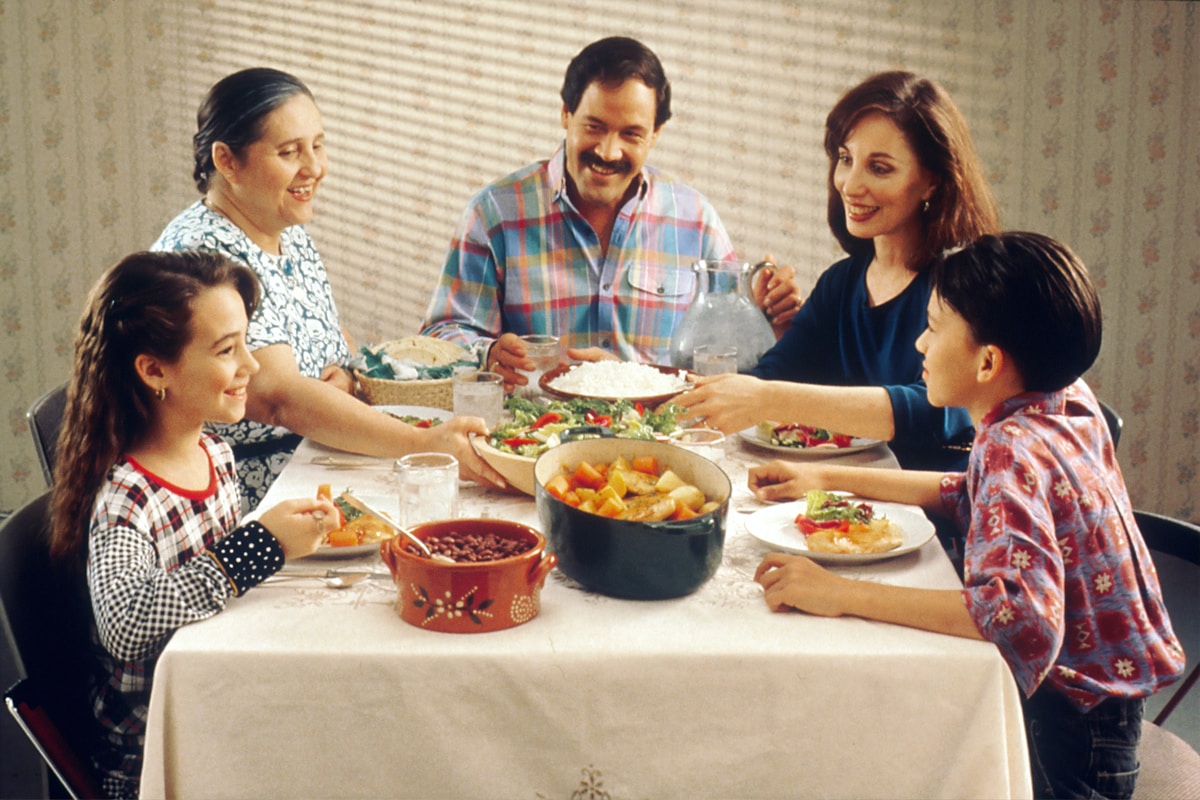
You’ve spent an hour in the kitchen. The chicken is perfectly roasted, the green beans are tender, and the rice is fluffy. You call the family to the table. Your youngest takes one look at the plate and says, “I don’t like that.” Your heart sinks. You’ve been there. I’ve been there. It feels personal, but it’s not. It’s actually a normal part of childhood development.
If you’re exhausted from cooking meals that go uneaten, you are not alone. A Reddit thread recently blew up with hundreds of parents sharing the same nightly struggle. Research from the Ellyn Satter Institute confirms what many of us know in our bones: children need 10 to 15 exposures to a new food before they begin to accept it. And pressure? It backfires every time.
So what actually works? Let’s talk about real strategies that reduce stress at the dinner table and help your kids become more adventurous eaters — without turning you into a short-order cook.
The Division of Responsibility: A Game Changer
This concept, developed by dietitian Ellyn Satter, is the single most effective tool I’ve found. The idea is simple: the parent decides what, when, and where food is served. The child decides whether to eat and how much. That’s it. You are not responsible for what goes into their mouth. You are responsible for offering a balanced, safe meal.
Here’s how I put it into practice in my own kitchen. I serve dinner at the same time every evening, always with at least one “safe” food my kids already like — maybe plain bread, apple slices, or a simple pasta. Then I add one or two new or slightly unfamiliar items. I say, “Here is what we’re having tonight. You can eat what you like, and that’s fine.” No commentary. No coaxing. Just trust.
It takes practice, for you and for them. But once they realize you aren’t going to force or bribe, the power struggle dissolves. (Your future self will thank you.)
Why Involving Kids in Meal Prep Changes Everything
You might think having a child in the kitchen makes everything messier and slower. It does. It’s also one of the best investments you can make in your family’s eating habits.
Give a three-year-old a damp paper towel and let them “wash” lettuce. Let a five-year-old tear basil leaves or snap green beans. A seven-year-old can measure dry ingredients or set the table. A ten-year-old can help stir a sauce (with adult supervision). When kids have a hand in preparing food, they become invested in the outcome. They are much more likely to taste something they helped create.
I started this with my own kids when they were tiny. At first, they just played with the ingredients. But over weeks and months, their curiosity grew. A child who snaps green beans will almost certainly try them once they hit the plate. (Yes, really.)
Lose the Reward System (Especially Dessert)
It’s so tempting to say, “If you eat three bites of broccoli, you can have ice cream.” I get it. We all want to win. But using dessert as a reward sends a damaging message: vegetables are punishment, and sweets are the prize. That sets up a lifetime of guilt and cravings.
Instead, serve dessert as part of the meal — maybe a small cookie or a bowl of berries — on the same plate, at the same time, with no strings attached. When dessert loses its special status, kids stop fighting for it. They can take a bite of cookie, then a bite of chicken, then back to cookie. It’s fine. Over time, they learn to self-regulate.
Research backs this up. The Ellyn Satter Institute emphasizes that desserts should be offered occasionally as part of a normal, varied diet — never as a reward or a bribe. Let go of that battle, and you’ll free yourself from constant negotiation.
Family-Style Serving: Let Them Choose Their Own Adventure
One of the most popular suggestions from the Reddit parenting thread is to serve dinner family-style. Put everything in bowls and let each person serve themselves. This gives kids a sense of control — and control is often exactly what they’re craving.
When my kids were toddlers, I put small portions of each dish on their plates, but by age four or five, I switched to family-style. Now everyone takes what they want. My younger one might take only rice and applesauce one night. The next night, she tries the chicken. No pressure. No comments. I’ve seen her voluntarily try roasted Brussels sprouts just because they were sitting there next to the bread.
Set the bowls in the center of the table. Let each child use serving spoons (real ones, not plastic — they love the responsibility). Keep a calm tone. If they only take one item, that’s okay. You’ve done your job by offering variety.
Practical Tips That Work in Real Kitchens
Let’s get specific. Here are a few things I’ve learned from years of cooking with kids (and from reading the wisdom of feeding experts and fellow parents).
- Serve a “safe plate” every meal. A safe plate could be a small bowl of steamed carrots, a few crackers, or a cheese stick. Something familiar that your child can always fall back on. This reduces anxiety about being hungry.
- Use the “one bite rule” gently. Some families ask kids to take one “no-thank-you bite” — just a tiny taste. Don’t force it. If they refuse, let it go. The goal is exposure, not consumption.
- Cook with reusable names. My kids love “chicken nuggets” even if they’re homemade baked nuggets. Call broccoli “little trees.” Puns and silly names buy you goodwill.
- Set the timer for 20 minutes. Kids often need time to warm up to new foods. Let the meal sit on the table for 20 minutes. They might surprise you by nibbling after five minutes of ignoring it.
- Keep the mood light. Play music, talk about your day. When the table feels like a pleasant place, kids are more relaxed and open to trying.
One Final Thought: You Are Doing Enough
If you are reading this at the end of a long day, and you’re worried your child will never eat a vegetable, take a breath. This is a phase. It will pass. Your job is not to force food, but to provide it lovingly, consistently, and without drama.
The research is clear: repeated neutral exposure works. Keep offering. Keep involving them. Keep setting a regular time for family meals. And most importantly, be kind to yourself. You are not a short-order cook. You are not failing. You are raising a human who will, eventually, learn to eat a varied diet — probably just not tonight.
So pour yourself a glass of water, sit down with them, and enjoy the messy, unpredictable, beautiful chaos of a family dinner. The kitchen is where we grow together, one meal at a time.