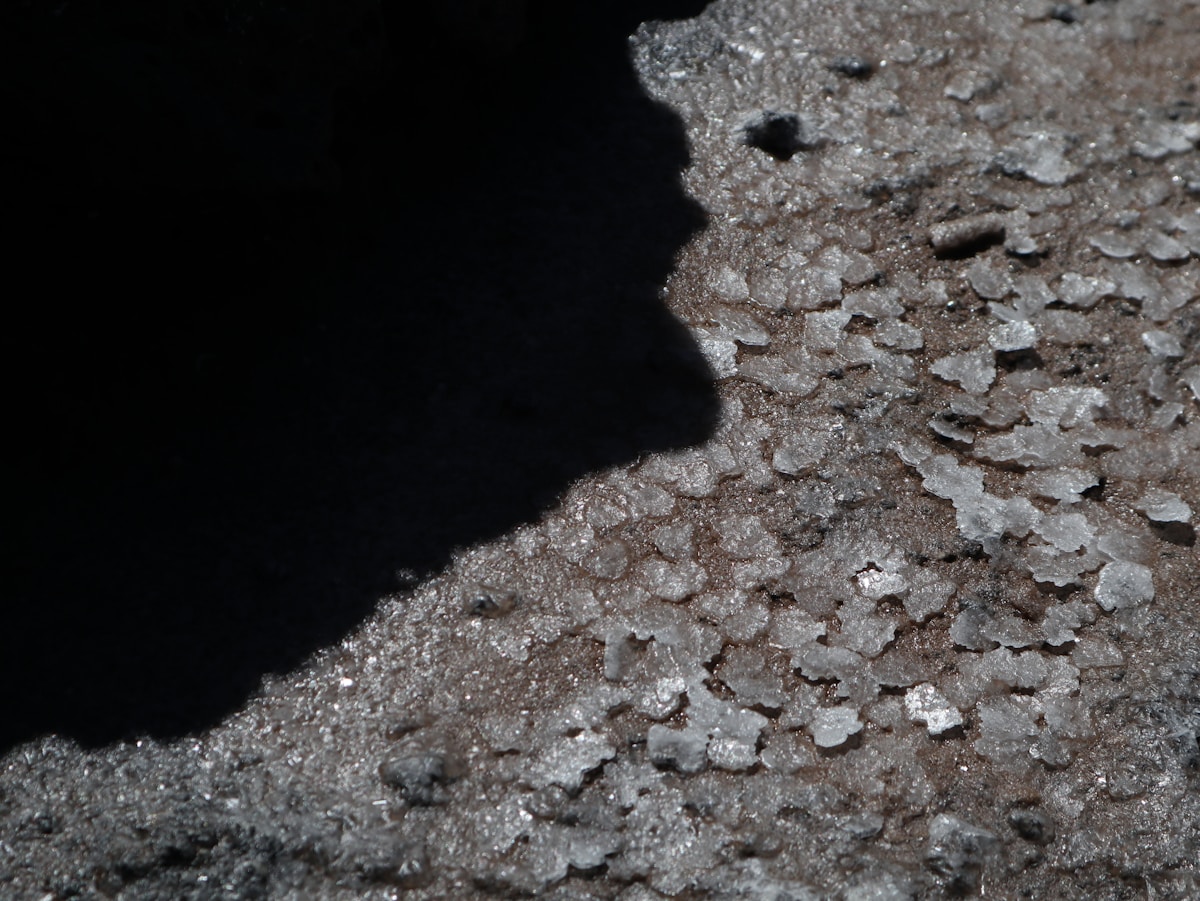
You’ve probably seen it. Maybe you were scrolling through social media and saw a chef finish a steak with a dramatic flourish, a pinch of what looked like shimmering, paper-thin diamonds. Or maybe, like a now-famous Reddit user, you opened a new box of Maldon salt from Costco and found a massive, perfectly formed, ‘big ass’ crystal that looked like it belonged in a museum.
That little moment of wonder—staring at a flake of salt and thinking, “Wow, look at that”—is exactly why we need to talk about it. We’re trained to think of salt as a simple, granular commodity shaken from a cardboard tube. But Maldon is different. It’s not just seasoning; it’s an ingredient, a tool, and, yes, a little bit of kitchen magic. But is it worth the hype and the higher price tag? As always, let’s break it down.
What Exactly Is This Pyramid-Shaped Salt?
First, let’s get one thing straight: not all salt is created equal. The familiar Morton table salt you grew up with is typically mined from underground salt deposits. It’s processed to remove minerals, ground into fine, uniform cubes, and often treated with anti-caking agents.
Maldon Sea Salt, on the other hand, is harvested. The company has been pulling salt from the tidal waters of the Blackwater Estuary in Essex, England, since 1882. The process is a fascinating blend of nature and craft. Seawater is filtered and then heated in large salt pans. As the water slowly evaporates, a specific temperature and salinity gradient causes salt crystals to form on the surface.
But they don’t form as solid cubes. Instead, they grow into delicate, hollow, inverted pyramids. (Yes, really.) These fragile structures are then carefully raked by hand. This unique shape is the entire secret to Maldon’s magic. It’s not about a special, secret flavor; it’s about physics and texture.
When you crush a Maldon flake between your fingers, it shatters into smaller pieces. When you bite into one, it delivers a satisfyingly clean, delicate crunch before dissolving instantly on your tongue. A cube of kosher salt is dense and takes longer to dissolve. A grain of table salt is a tiny, hard pebble. The Maldon flake is a crisp, fleeting burst of pure salinity.
The Critical Mistake You Might Be Making
I see this all the time. Someone invests in a nice box of Maldon, then proceeds to dump a handful into their boiling pasta water. Please, I’m begging you, don’t do this. You’re literally dissolving your money away for no reason.
Maldon is a finishing salt, not a cooking salt. Its primary value is its texture. The moment it hits a large volume of liquid, that beautiful, hollow pyramid structure collapses and dissolves, and it becomes just… salt. You get the salinity, sure, but you could have gotten that from salt that costs a tenth of the price. The crunch, the very thing you paid a premium for, is gone.
Your workhorse salts for seasoning stews, brining meats, or salting cooking water should be affordable and effective. For that, I stick to Diamond Crystal Kosher Salt for its pinch-ability and rapid dissolving, or simple Morton Coarse Kosher Salt for brines.
Here’s a simple way to think about it:
A Quick Salt Comparison
| Salt Type | Crystal Shape | Best Use | Texture Profile | Price Point |
|---|---|---|---|---|
| Table Salt | Tiny, dense cubes | Baking, seasoning liquids | Hard, granular | $ |
| Kosher Salt | Coarse, irregular flakes/cubes | General seasoning, brining, curing | Crunchy, dissolves evenly | $$ |
| Maldon Salt | Hollow, fragile pyramids | Finishing dishes, adding texture | Delicate, crisp, dissolves instantly | $$$ |
Using Maldon for anything other than finishing is like buying a Ferrari to haul lumber. It’ll technically work, but you’ve completely missed the point of the tool.
How to Use Maldon Salt to Make Your Food Better
So, where does this flaky wonder truly shine? Think of it as the final touch, the accessory that completes the outfit. You add it right before the food hits the table.
-
On a Perfect Steak: After you’ve seared a beautiful steak and let it rest, slice it against the grain. As the juices pool on the cutting board, arrange the slices on a plate and sprinkle a few Maldon flakes over the top. The way the crisp salt contrasts with the tender, juicy beef is a textural masterpiece.
-
The Ultimate Chocolate Chip Cookie: This is my absolute favorite use. A few flakes sprinkled on top of warm chocolate chip cookies right out of the oven is transformative. The salt cuts through the richness of the butter and sugar, making the chocolate taste deeper and more complex. It’s that perfect sweet-and-salty combination that makes you reach for a second cookie. (And a third.)
-
Elevating Simple Vegetables: Take a perfectly ripe summer tomato. Slice it, drizzle it with your best olive oil, and finish with a pinch of Maldon. That’s it. The salt provides a little crunch that highlights the tomato’s soft texture and brightens its flavor. It’s also incredible on roasted asparagus, blistered shishito peppers, or creamy avocado toast.
-
On Creamy and Rich Dishes: A sprinkle on a fudgy brownie, a scoop of caramel ice cream, or even a simple soft-boiled egg with a runny yolk adds a pop of texture and flavor that prevents rich foods from feeling one-note.
Lucas’s Kitchen Hack: Don’t just sprinkle from the box. The best way to apply Maldon is to take a generous pinch between your thumb and forefinger and gently crush the flakes as you sprinkle them from about 12 inches above the food. This gives you more control over the size of the flakes and ensures a more even distribution.
So Is It Actually Worth the Money?
Let’s get down to brass tacks. A standard 8.5-ounce box of Maldon Sea Salt Flakes typically runs between $6 and $10, depending on where you buy it. A 3-pound box of Morton Coarse Kosher Salt might cost you the same, or even less.
On a per-ounce basis, Maldon is significantly more expensive. No question about it.
But here’s my take: because you’re only using it as a finishing salt—a tiny pinch here and there—a single box will last you an incredibly long time. I cook almost every day, and a box of Maldon often lasts me six months or more. When you break it down, the cost per use is pennies.
For those few pennies, you are adding a textural element that makes simple food taste like it came from a high-end restaurant. It makes your home cooking feel more intentional and special. It’s one of the cheapest, easiest ways to elevate a dish from “good” to “great.”
Are there other flaky sea salts? Of course. Brands like Jacobsen Salt Co. from Oregon make fantastic products, but they often come with an even higher price tag. Maldon hits the sweet spot of exceptional quality, wide availability, and reasonable cost for its category. It’s the benchmark for a reason.
The Final Word
The fascination with that giant salt crystal isn’t just about its size; it’s about recognizing the craft and science that goes into a seemingly simple ingredient. Maldon salt isn’t just salt. It’s a texture. It’s a finishing touch. It’s a tool that, when used correctly, can make a real difference in your cooking.
Don’t use it to salt your pasta water. But absolutely use it to finish your steak, your cookies, and your salads. For a few dollars, you’re not just buying seasoning—you’re buying an upgrade. And in my book, that’s always a smart investment. Spend smart, cook happy.