You’ve seen the box. It’s that distinctive, slightly old-fashioned white and green carton sitting on the shelf, looking more expensive than the giant canisters of regular salt next to it. You pick it up, see the price, and ask the million-dollar question: Is Maldon sea salt really worth it, or is it just fancy, overpriced sodium chloride?
I get it. In a world of gourmet everything, it’s easy to be skeptical. My entire philosophy is built on value over vanity, and paying a premium for something as basic as salt seems like a textbook case of kitchen snobbery. But I’m here to tell you that this is one of those rare cases where the hype is justified — if you know what you’re doing.
Using Maldon salt correctly is the difference between a transformative culinary experience and literally dissolving your money in a pot of boiling water. Let’s break down what this salt actually is, how to use it, and whether that box deserves a permanent spot in your pantry.
What Exactly Is Maldon Salt (And Why Is It Shaped Like That)?
First, let’s get the basics out of the way. Maldon salt isn’t just salt; it’s a specific type of sea salt harvested from the estuaries in Maldon, a town in Essex, England. They’ve been making it there since 1882, using traditional methods that result in its unique and famous shape.
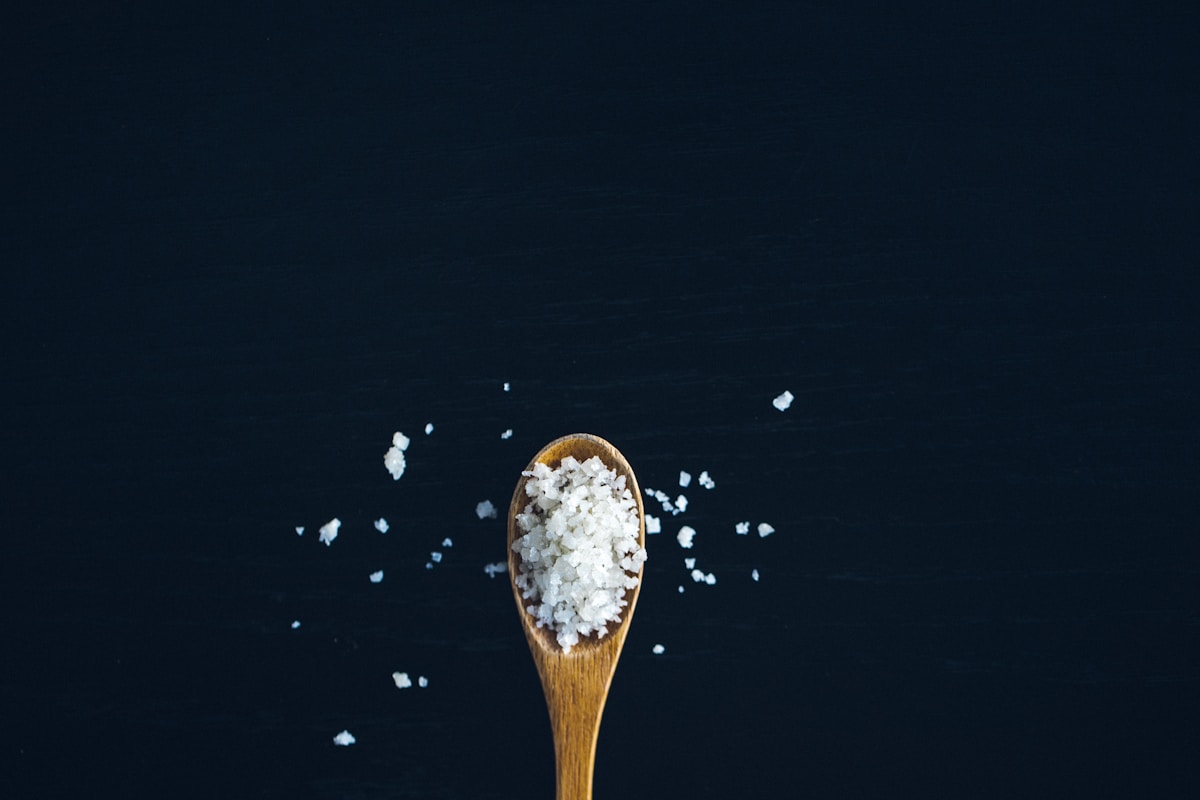
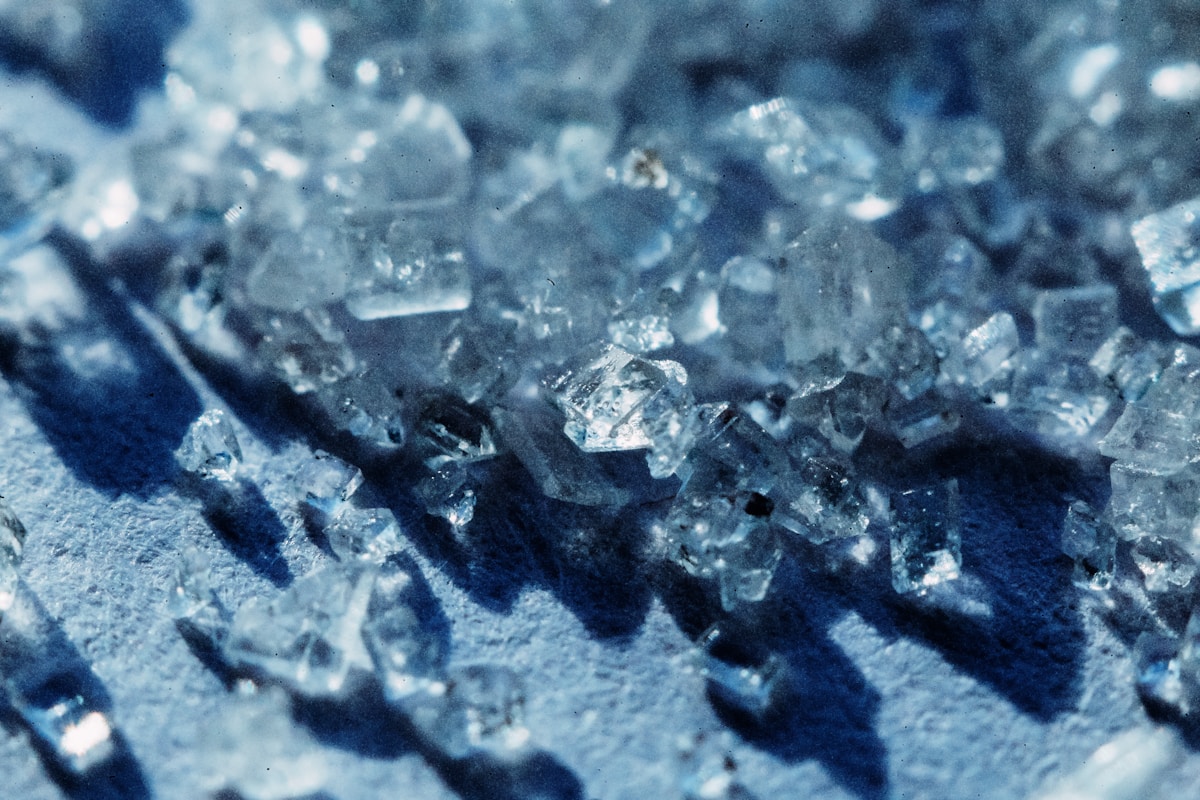
Unlike your standard table salt, which consists of tiny, dense cubes, or even kosher salt with its irregular, craggy flakes, Maldon salt crystals are remarkable. They form as hollow, pyramid-shaped flakes. If you look closely, you can see the beautiful, geometric structure. This isn’t just for show; this shape is the entire reason it’s so celebrated.
Because the pyramids are hollow, they are incredibly delicate. When you pinch them, they crumble with a satisfying light crackle. When you bite into one, it doesn’t give you that harsh, overwhelming jolt of pure saltiness. Instead, it provides a clean, briny flavor that dissolves quickly, followed by an incredibly satisfying, subtle crunch. That texture is the whole point. It’s not a seasoning; it’s an ingredient that adds a physical sensation to your food.
- Table Salt: Tiny, dense cubes. Dissolves fast, very salty, often contains anti-caking agents.
- Kosher Salt (like Diamond Crystal): Irregular, coarse flakes. Great for all-purpose cooking because it’s easy to pinch and dissolves cleanly.
- Maldon Sea Salt: Large, hollow pyramids. Incredibly delicate, provides texture and a mild saline pop.
Understanding this difference in physical form is the first step to using it wisely.
The Golden Rule of Finishing Salts
Here is the most important piece of information in this entire article: Maldon is a finishing salt, not a cooking salt.
Read that again. Internalize it. Your wallet will thank you. A cooking salt, like Diamond Crystal kosher salt (my go-to for pretty much everything), is meant to dissolve and season a dish from the inside out. You throw it in your pasta water, you mix it into your soup, you use it in a brine for chicken. Its job is to disappear into the food, raising the overall flavor level.
Using Maldon salt for those tasks is a complete waste of money. Tossing those beautiful, delicate pyramids into a gallon of boiling water is like buying a hand-carved wooden spoon and then throwing it into a woodchipper. The heat and liquid will instantly dissolve the crystal, destroying its unique texture, which is the very thing you paid a premium for. You’re left with salty water, which you could have achieved for about one-twentieth of the cost.
A finishing salt is applied right at the end, just before the dish is served. Its purpose is to sit on the surface, providing a final burst of flavor and, most importantly, texture. It’s the last thing you add, meant to be seen, felt, and tasted in its crystalline form.
Think of it like this: kosher salt is the foundation of your house. Maldon salt is the final, perfect piece of art you hang on the wall. You need the foundation, but the art is what makes people stop and say, “Wow.”
Where Maldon Salt Truly Shines (And Where It’s a Waste)
Now for the practical part. Knowing the golden rule is great, but let’s talk about specific dishes. When should you reach for that fancy box?
The “YES, Absolutely” List:
- A Perfectly Cooked Steak: This is the classic use case. You sear a beautiful ribeye or New York strip, get it to a perfect 130°F (54°C) for medium-rare, let it rest, and slice it. Just before it hits the table, you sprinkle a few flakes over the top. The way the crunchy salt pops against the tender, juicy beef is nothing short of magical.
- Roasted or Grilled Vegetables: Think roasted broccoli, blistered green beans, or grilled asparagus. A final sprinkle after they come off the heat adds a textural and flavor contrast that elevates them from a simple side to something special.
- Chocolate Chip Cookies & Brownies: This is my personal favorite. A few flakes on top of a warm, gooey chocolate chip cookie or a fudgy brownie creates an incredible sweet-and-salty combination. The salt cuts through the richness and the crunch is divine. (More on this in a second.)
- Salads: A simple salad of ripe tomatoes and fresh mozzarella, a watermelon and feta salad, or even just some buttered radishes. The salt adds a clean, bright sparkle.
- Caramel & Chocolate Desserts: Drizzle it over a caramel sauce, a chocolate pot de crème, or even just a scoop of high-quality vanilla ice cream with some good olive oil. (Trust me on this one.)
The “NO, Please Don’t” List:
- In Pasta Water: The single biggest waste of Maldon salt imaginable.
- In Soups, Stews, or Stocks: It will dissolve instantly, rendering its texture useless.
- In Brines or Cures: You need a large volume of salt for these, and an inexpensive kosher or sea salt works perfectly.
- Mixed into Doughs (like for bread): The salt needs to dissolve to work its magic on the gluten structure, so just use your standard salt.
The Cost Breakdown Is It Actually Expensive?
An 8.5-ounce (240g) box of Maldon sea salt typically costs between $6 and $9 in the United States. For comparison, a 3-pound (1.36kg) box of Diamond Crystal Kosher Salt often costs less than that. On a per-ounce basis, there’s no contest — Maldon is significantly more expensive.
But this is where proper usage comes in. Because you’re only using a tiny pinch on each finished dish, that 8.5-ounce box lasts an incredibly long time. I’m a heavy user, and a single box will easily last me six to eight months, if not longer. When you break it down, the cost per dish is pennies.
For the massive upgrade in texture and presentation it provides, those pennies are the best investment you can make in your final plate. It’s a classic example of a small luxury that delivers a disproportionately large impact. It’s not an everyday expense; it’s a small, recurring investment in making your food better.
Lucas’s Quick Tip The Ultimate Brown Butter Cookie Hack
Want to experience the full power of Maldon salt? Make a batch of brown butter chocolate chip cookies. The nutty depth of the brown butter combined with rich chocolate and that pop of flaky salt is a trio that can’t be beaten.
Here’s the key trick: most recipes tell you to sprinkle the salt on after baking. I disagree. For the best result, sprinkle the Maldon flakes on top of the cookie dough balls right before they go into the oven.
Baking at a high heat like 375°F (190°C) for around 10-12 minutes is hot enough to make the cookies spread and bake, but the salt flakes don’t fully dissolve. Instead, they gently embed themselves into the molten surface of the cookie. When it cools, the salt is perfectly adhered, and you get that signature crunch in every single bite without the risk of it all falling off.
The Verdict
So, is Maldon sea salt worth it? Yes, unequivocally.
It is not, however, a replacement for your all-purpose kosher salt. It’s a specialized tool, and like any specialized tool, it excels at its specific job. Its value isn’t in its saltiness, but in its delicate, flaky crunch and clean flavor. It’s a textural ingredient first and a seasoning second.
If you use it properly — as a finishing touch on everything from steaks to salads to chocolate cookies — that single box will elevate your cooking for months on end. It’s the perfect example of my core philosophy: the right tool makes everything better, and in this case, the right tool is a simple box of flaky, pyramid-shaped salt.