You’ve been there. I’ve been there. We’ve all been there. You’re navigating the wide, alluring aisles of a bulk store like Costco, cart half-full, when you see it: a massive tub of a ‘fancy’ kitchen ingredient for what seems like a ridiculously good price. Today, our target is that iconic 1.5-pound tub of Maldon Sea Salt Flakes.
You pick it up. It feels substantial. You do the quick mental math against the tiny, expensive-feeling box you usually buy at the grocery store. The value seems undeniable. But then the doubt creeps in. Will I really use all of this before it goes bad? Is this a smart purchase or just pantry clutter in the making?
As the guy who tests kitchen gear for a living, I believe in value over vanity. The most expensive tool—or in this case, the biggest tub of salt—isn’t always the right one. Let’s break down the real-world math and science behind that tempting tub of Maldon to figure out if it truly belongs in your kitchen.
What Exactly Is Finishing Salt Anyway?
First, we need to be crystal clear on one thing: Maldon salt is not your everyday, all-purpose salt. If you’re using these delicate flakes to salt your pasta water or season a big pot of soup, you’re essentially turning a finely crafted tool into a blunt instrument. It’s like using a surgeon’s scalpel to chop firewood.
Let’s categorize our salts:
- Table Salt: This is the fine-grained, usually iodized salt you find in most shakers. It dissolves quickly and is great for baking where precise measurements are key. Its flavor can be a bit harsh or metallic due to additives.
- Kosher Salt: The workhorse of most professional and serious home kitchens. Its larger crystals are easy to pinch and distribute evenly over food. It has a cleaner taste than table salt. I prefer Diamond Crystal for its lighter, flakier texture that sticks to food well.
- Finishing Salt: This is the category where Maldon reigns supreme. These salts are added at the end of the cooking process, right before the dish hits the table. Their job is twofold: to provide a final burst of clean, briny flavor and, most importantly, to add texture.
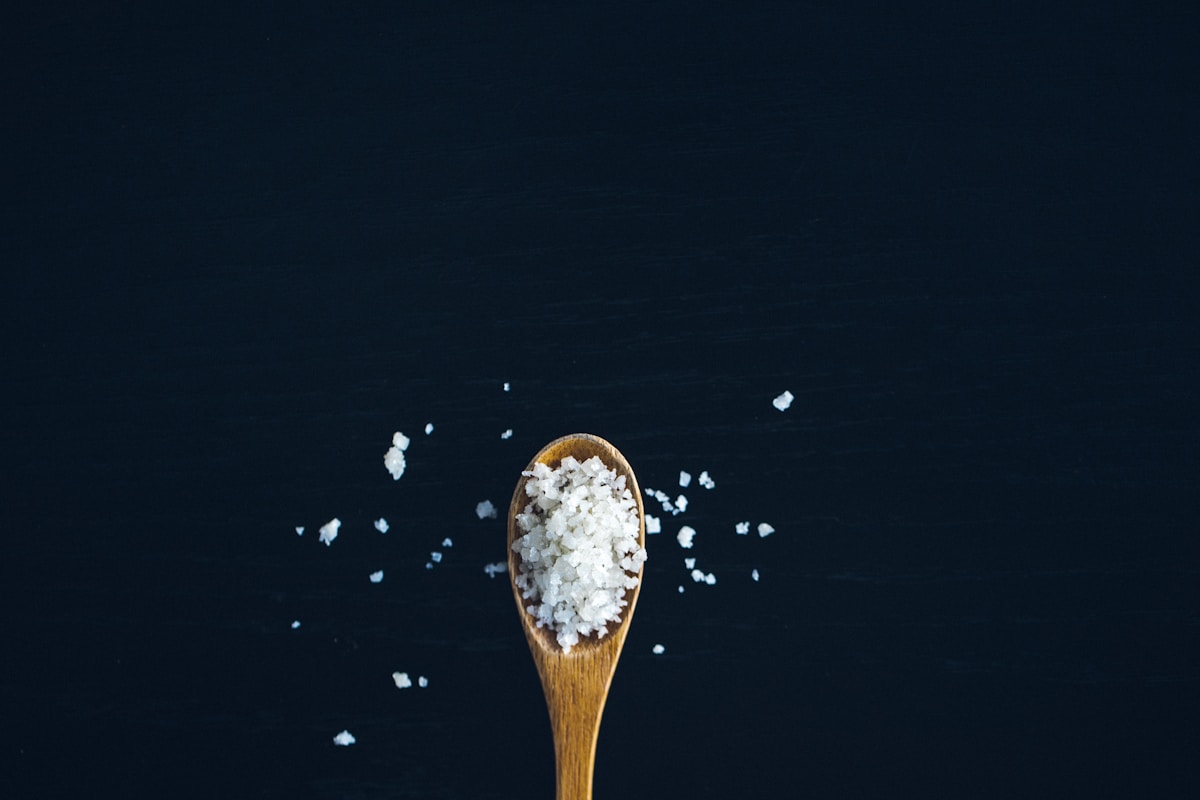
Maldon’s signature is its large, hollow, pyramid-shaped flakes. They are paper-thin and incredibly delicate. When you sprinkle them over a perfectly seared steak, a slice of ripe tomato, or a warm chocolate chip cookie, they don’t just add saltiness. They add a delightful, satisfying crunch that shatters between your teeth. This textural magic is what you’re paying for. Using it during cooking would just dissolve those beautiful pyramids, completely wasting their unique quality.
The Math Breakdown A Small Box vs The Costco Tub
Okay, let’s get down to the numbers, because that’s what usually drives this decision at the store. The prices can fluctuate, but here’s a typical scenario I see regularly.
-
Standard Grocery Store Box: A common size is the 8.5-ounce (240g) cardboard box. This usually retails for anywhere between $5.00 and $7.00. Let’s take an average of $6.00.
- Cost per ounce: $6.00 / 8.5 oz = ~$0.71 per ounce.
-
The Costco Bulk Tub: This is a hefty 1.5-pound (24 oz or 680g) plastic tub. The price is typically in the $12.00 to $15.00 range. We’ll use $14.00 for our calculation.
- Cost per ounce: $14.00 / 24 oz = ~$0.58 per ounce.
On paper, the savings are clear. You’re saving about 18-20% per ounce by buying in bulk. If you were buying kosher salt that you use by the handful every single day, this would be a no-brainer. But with a finishing salt, where a small pinch is often all you need, the calculation gets more complicated. The real question isn’t “How much does it cost?” but rather, “How much of it will I actually use before it’s ruined?”
The Real Enemy Humidity and the Clumping Catastrophe
This brings us to the core of the problem. The mortal enemy of Maldon salt’s delicate, crunchy flakes is humidity. Those beautiful, hollow pyramids are hygroscopic, meaning they readily attract and absorb water molecules from the air.
When you first open that tub, the salt is perfect: flaky, dry, and distinct. But every time you open it, you introduce a little bit of ambient moisture. Over weeks and months, especially if you live in a humid climate, that moisture works its dark magic. The flakes begin to soften, dissolve slightly at their edges, and then fuse together with their neighbors.
Slowly but surely, your tub of pristine, crunchy finishing salt transforms into a solid, sad brick of sodium chloride. (Your beautiful salt flakes deserve better). At this point, you can still chip away at it and use it for general seasoning, but its primary purpose—its glorious texture—is gone. You’ve effectively paid a premium price for what has become basic cooking salt. All those per-ounce savings you calculated in the store? Evaporated, just like the water that caused the problem in the first place.
Who Should Buy the Tub and Who Should Stick to the Box?
So, how do you know which camp you fall into? It all comes down to an honest assessment of your cooking habits and your environment. I’ve broken it down for you.
You are on Team Tub if…
- You Cook with Purpose, Frequently: You’re searing steaks, pork chops, or fish at least once a week and always finish with a pinch of salt.
- You’re a Baker: You regularly make things like chocolate chip cookies, fudgy brownies, or salted caramel, where a sprinkle of flaky salt on top is non-negotiable.
- You Eat a Lot of Salads: You understand that a simple salad of fresh greens, good olive oil, and a pinch of crunchy salt is one of life’s great pleasures.
- You Host Often: You have people over for dinner regularly and enjoy adding that final cheffy touch to your dishes.
- You Live in a Dry Climate: If you live in Arizona, Nevada, or another arid region, humidity is much less of a concern, giving you a longer shelf life.
You Should Stick with the Small Box if…
- You’re a Casual Cook: You cook a few nights a week but don’t always reach for special ingredients. For you, finishing salt is a “special occasion” item.
- You Live in a Humid Place: If your home is in Florida, Louisiana, or anywhere with high summer humidity, the battle against clumping is real and you will likely lose it with a giant tub.
- Your Pantry is Full: That big tub takes up valuable real estate. A small box can be tucked away easily.
- You’re New to Finishing Salts: If you’re just starting to explore the world of fancy salts, start small! Buy the box, see how often you actually reach for it, and then decide if you want to graduate to the tub on your next purchase.
My Pro Tip How to Store Bulk Salt and Keep It Fresh
Let’s say you’ve decided you’re on Team Tub. Congratulations! But don’t just stick that giant plastic container in your cabinet and call it a day. If you want to protect your investment, you need a storage strategy.
This is my go-to kitchen hack for buying any moisture-sensitive ingredient in bulk, from spices to salt.
The Decanting Method:
- Get Small, Airtight Jars: Don’t rely on the flimsy plastic tub it came in. Invest in a few small, truly airtight glass containers. I recommend 4-ounce mason jars or small Weck jars with good rubber seals.
- Divide and Conquer: The day you bring the tub home, immediately portion the salt out into these smaller jars, filling them to the top to minimize air exposure.
- Create a ‘Working’ Jar: Keep one of these small jars on your counter or near your stove for daily use. This will be your primary salt cellar.
- Deep Storage for the Rest: Store the other sealed jars in the coolest, darkest, and—most importantly—driest part of your pantry. They will remain pristine and protected from the humidity that comes from opening a container over and over.
By doing this, you’re only exposing a small amount of salt to air at any given time, preserving the texture and quality of the rest of your bulk purchase. (Your future self will thank you.)
The Final Verdict
So, is the giant tub of Maldon salt from Costco worth it? The answer is a classic “it depends.”
The financial savings per ounce are real, but they are completely meaningless if half the product clumps into a useless brick before you can use it. The true value lies not in the initial price, but in the price per usable, crunchy ounce.
For the avid home cook who uses it generously and regularly, the bulk tub, combined with a smart storage strategy, is an excellent buy. For the more casual cook, the small, familiar cardboard box is the wiser choice. It ensures that every pinch you use is as fresh, flaky, and crunchy as it was intended to be.
Don’t let the allure of bulk pricing trick you into buying something you won’t use. The right tool—and the right ingredient size—is the one that fits how you actually cook. Spend your money wisely, and your food will taste all the better for it.