Have you ever stood in your kitchen, staring at a bag of dried corn, wondering if you could possibly recreate the kind of fresh, fragrant masa that makes Mexican tortillas sing? I have. And recently, a story from a chef in Seoul made that dream feel a whole lot more achievable. The chef ran a ten-course Mexican pop-up and used a manual Victoria grain grinder bought on Amazon to process three different types of nixtamalized corn: red conico, blue bolita, and white. The result? Perfectly ground masa that powered an entire pop-up. That story sparked a fire in me, and I dived deep into the world of grinding corn at home. If you are curious about whether this humble kitchen tool can handle wet, lime-soaked kernels, you are in the right place. Let us explore everything from nixtamalization basics to the Victoria grinder’s real-world performance.
The Story Behind the Masa
The image of a chef in Seoul using a Victoria grinder to produce masa for a Mexican tasting menu is both surprising and inspiring. It speaks to how food connects us across cultures. The chef sourced three heritage corns, cooked them with calcium hydroxide (food-grade lime), and then ran the wet kernels through the manual grinder. According to the Reddit post from April 2025, professional cooks endorsed the grinder for its durability and adjustable grinding plates. But they also noted it requires a sturdy clamp and often needs multiple passes to achieve the fine, smooth texture ideal for tortillas. This is not a one-and-done operation; it is a labor of love. And that is exactly what makes it so rewarding.
This story also highlights one of the core philosophies I hold dear: food tells the story of a culture. Nixtamalization is an ancient process that not only softens corn but also makes its nutrients more bioavailable. By grinding the nixtamal yourself, you are participating in a tradition that goes back thousands of years. The Victoria grinder, first manufactured in Colombia in the 1930s, is a modern link to that history. It is affordable (around $50–70 on Amazon), portable, and built like a tank. But is it the right tool for wet masa? Let us break it down.
Why Fresh Masa Matters
If you have ever tasted a tortilla made from fresh masa, you know there is no going back. The aroma is sweet and earthy, the texture is tender and slightly chewy, and the flavor has a depth that store-bought masa harina simply cannot match. Fresh masa starts with nixtamalized corn — whole dried kernels that have been soaked and simmered in an alkaline solution (water mixed with cal, or slaked lime). This process loosens the tough hulls, swells the starches, and develops a distinct flavor profile. The next step is grinding, which turns those plump, moist kernels into a smooth, pliable dough.
Grinding nixtamalized corn is different from grinding dry grain. The kernels are wet, sticky, and full of moisture. A standard electric blender or food processor can turn them into a paste, but the result is often too watery or uneven. That is where a manual grain grinder shines — and also where it can struggle. The Victoria grinder, with its cast iron construction and adjustable grinding plates, is designed for dry grains like wheat or cornmeal. But many home cooks, including that Seoul chef, have discovered it can handle wet corn with a few tweaks.
The Victoria Grain Grinder: A Workhorse for Wet Corn
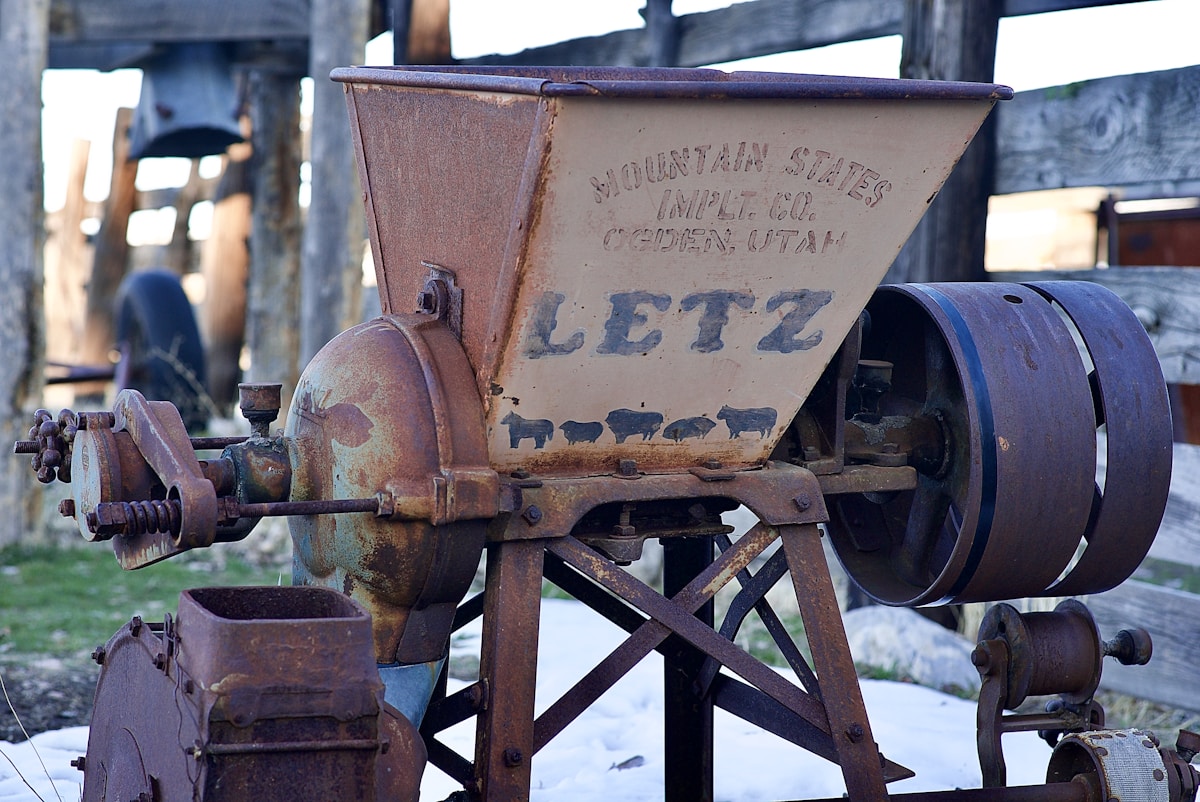
Let us talk about the grinder itself. The Victoria brand (often sold as “Victoria” or “CORONA” — though CORONA is the original and Victoria a later iteration) is a classic manual mill. It features two hardened steel grinding plates that you can adjust with a wing nut to create a coarse or fine grind. The hopper holds about 1–2 cups of kernels, and you turn a large handle to feed them through. For dry grains, it works beautifully. For nixtamalized corn, the experience is a bit different.
First, you need to set up the grinder properly. The clamp — the metal base that attaches to your counter — is critical. Many users report that the stock clamp is not strong enough. You might need to reinforce it with a C-clamp or mount it to a sturdy board. I recommend a heavy-duty clamp or even bolting it to a stable surface. The last thing you want is the grinder wobbling while you crank. Once secure, you can start feeding the nixtamal.
The corn should be cooked until the hulls are loose and the kernels are tender but not mushy. Drain them well — you want them moist but not dripping. I like to let them sit for 10 minutes on a towel to shed excess water. Then, add them to the hopper a handful at a time. The first pass will give you a coarse, chunky masa. At this point, the texture might look like wet cornmeal — good for tamales perhaps, but not for tortillas. The trick is to run the grindings through a second or even third time, adjusting the plates progressively finer. This is where the Seoul chef confirmed the “multiple passes” advice. Do not be discouraged if the first pass looks rough; the second pass is where the magic happens.
One practical hack I have learned from the community is to add a tiny sprinkle of water during the second grind. This helps the masa come together without clogging the plates. Too much water, though, and the grind becomes a sticky mess. Aim for a consistency like moist sand. The smell at this stage is intoxicating — sweet corn and lime with a hint of roasted earth.
Tips for Grinding Nixtamalized Corn at Home
If you decide to try this yourself, here are a few non-negotiable tips based on my experiments and the experience of other cooks.
- Use the right corn. Not all dried corn is suitable for nixtamalization. Look for field corn or dent corn specifically labeled for masa — brands like Masienda or Bob’s Red Mill sell organic nixtamalization corn. Avoid popcorn or sweet corn.
- Measure your lime carefully. For every 4 cups of dried corn, use about 1 tablespoon of food-grade calcium hydroxide. Too much can make the masa bitter.
- Cook, don’t just soak. Bring the water and lime to a boil, add the corn, then simmer for 20–30 minutes. Turn off the heat and let it steep for at least 4 hours or overnight. The hulls should slip off easily when rubbed.
- Wash thoroughly. After nixtamalization, rinse the kernels under cold water while rubbing them to remove the loosened hulls. This is messy but essential. Your masa will be smoother and less bitter.
- Grind in batches. The Victoria hopper is small, so work in 1–2 cup batches. Do not overcrowd.
- Control the moisture. The masa should feel like Play-Doh — not sticky or dry. If it is too dry, mist it with water. If too wet, add a bit of masa harina (corn flour) to balance.
- Expect multiple passes. Set up your grinder for a coarse grind first, then a medium grind, then fine. Each pass takes about 2–3 minutes. The final texture should be silky with no grit.
One more thing: clean the grinder immediately after use. Nixtamalized corn is sticky and will harden if left inside. Disassemble the plates and scrub them with a stiff brush. A little oil on the steel surfaces will prevent rust.
Is the Victoria Grinder Right for You?
Let us be honest: grinding nixtamalized corn by hand is not a quick process. It requires time, muscle, and patience. But the reward — fresh, fragrant masa that tastes like a thousand years of tradition — is worth every crank. The Victoria grinder is an excellent entry point for home cooks who want to experiment without investing in an expensive electric mill. It is durable, adjustable, and relatively inexpensive. The biggest trade-off is the need for multiple passes and a sturdy clamping setup. If you are planning to make masa regularly, you might consider upgrading to a purpose-built masa mill like the Estrella or a hand-crank model with a built-in flywheel. But for the curious cook, the Victoria will absolutely get the job done.
That chef in Seoul proved that with a little creativity and the right tool, you can bring authentic Mexican flavors anywhere in the world. Your kitchen is no different. So go ahead, buy a bag of dried corn, a box of cal, and a Victoria grinder. And when you press your first tortilla, know that you are part of a story that spans continents and centuries. Happy grinding!