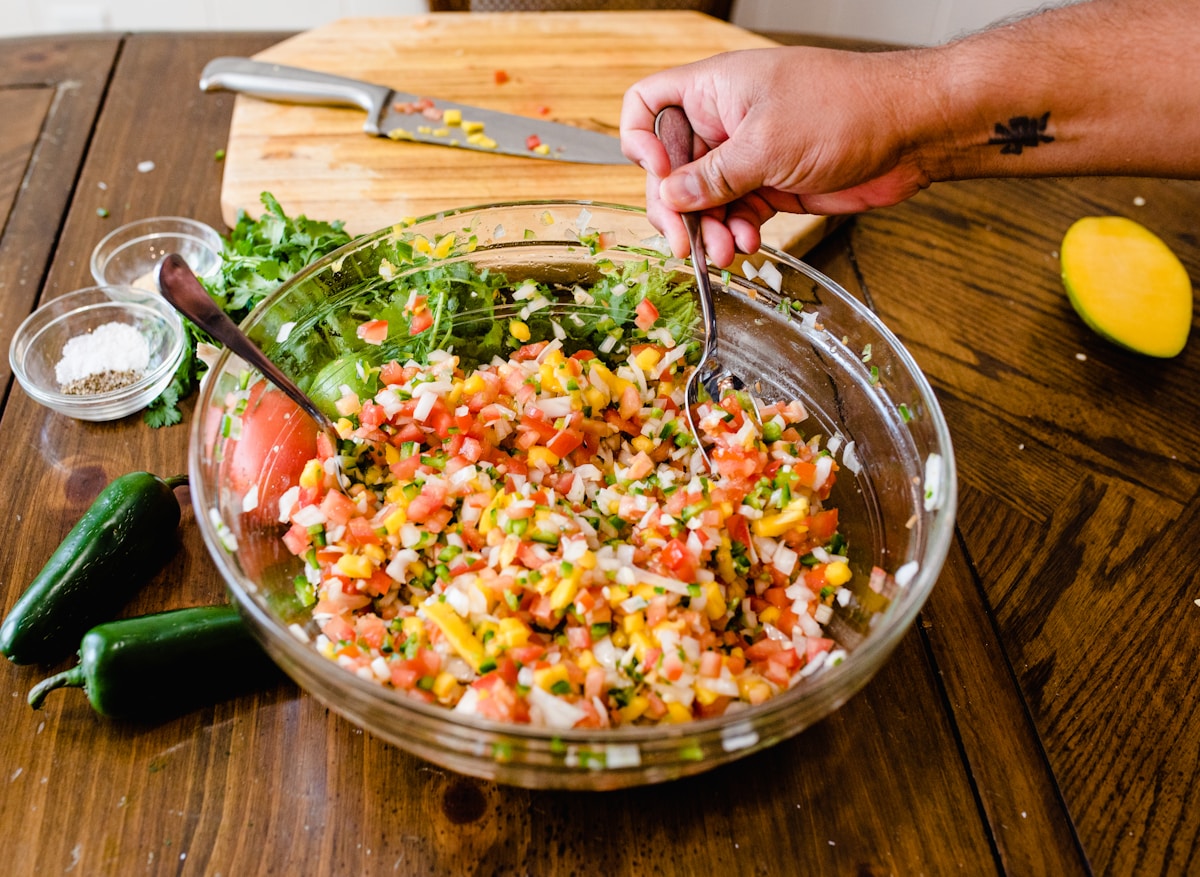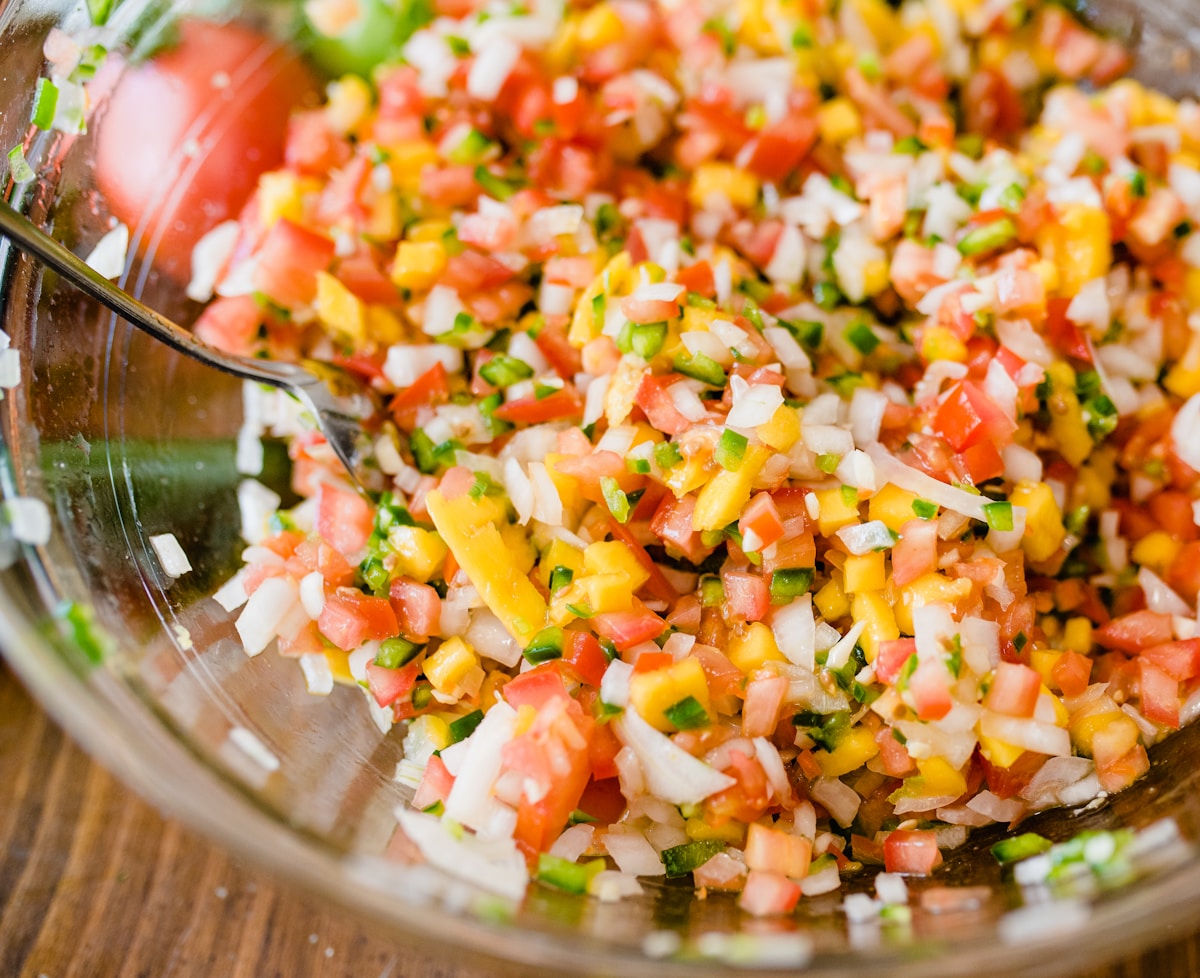
Hello, wonderful home cooks!
Beatrice here, your friend at kitchen-fun.com. Let’s talk about a moment I know so well. You’re ready to make that beautiful, vibrant pico de gallo. You have juicy red tomatoes, a crisp white onion, and a fiery jalapeño all lined up. You reach into the fridge for the final two superstars, cilantro and lime, and… nothing. Your heart sinks. Or, maybe you’re one of the many people for whom cilantro tastes exactly like a bar of soap. (It’s a real genetic thing, you’re not just picky!)
Does this mean your taco night is doomed? Absolutely not. But it does mean we need to understand what we’re changing. Let’s break down what makes pico de gallo tick, and what happens when you start swapping out the key players.
What Makes Pico de Gallo… Pico de Gallo?
Pico de gallo, which translates to “rooster’s beak,” is also known as salsa fresca. The key word there is fresca, or “fresh.” Unlike jarred salsas that are cooked and blended, pico is all about the pure, bright taste of uncooked ingredients, chopped and simply mixed together.
Think of it as a team of five essential players:
- Ripe Tomatoes: The sweet, juicy body of the salsa.
- White Onion: The sharp, pungent crunch.
- Jalapeño: The kick of fresh, green heat.
- Cilantro: The distinct, fresh herbal note.
- Lime Juice: The bright, zesty acidity that ties it all together.
Each one has a critical job. When you take one away, another ingredient has to try and do its job, and the result, while maybe still delicious, is fundamentally different. It’s like a band playing without its drummer – you can still hear the melody, but the rhythm is gone.
The Role of Lime The Acidity All-Star
Lime juice does so much more than just add a sour taste. Acidity is a magical component in cooking that acts like a spotlight, making all the other flavors shine brighter. Without it, the tomatoes can taste flat, the onion can be overpowering, and the whole dish just feels a little dull.
Imagine your salsa is a black-and-white photo. A squeeze of lime juice is what turns it into full, vibrant color. The acid also lightly “cooks” the onion, mellowing its harsh bite, and helps preserve the freshness of the tomatoes for a little longer.
So, what if you’re out of limes?
- Vinegar: A splash of white wine vinegar or red wine vinegar can provide the necessary acidity. But it’s a different kind of acid. It’s sharper and lacks the beautiful floral, citrusy aroma of fresh lime. If you use it, start with a very small amount, maybe one-third of what the recipe calls for in lime juice, and taste as you go.
- Lemon Juice: This is a closer relative and will work in a pinch. It provides great acidity, but it has a different citrus profile – more purely sour and less complex than lime. Your salsa will still be bright, but the flavor will lean more towards lemon.
Verdict: Using a substitute will give you the necessary acidic pop, but you will miss that signature zesty character that screams “pico de gallo.”
The Great Cilantro Debate
Ah, cilantro. The herb that divides households. For those who love it, its fresh, pungent, almost citrusy flavor is non-negotiable. For those with the “soap gene” (OR6A2, if you want to get scientific), it’s a complete deal-breaker.
Cilantro’s job is to cut through everything with a fresh, green, herbal punch. It offers a cooling contrast to the jalapeño’s heat and keeps the salsa from feeling too one-note.
If cilantro is off the table for you, here are the go-to options:
- Fresh Flat-Leaf Parsley: This is the most common substitute. It provides that lovely fresh, green color and a mild herbal flavor. However, it lacks the pungent, citrusy bite of cilantro. The result is a much milder, gentler salsa. (It’s still delicious, just different!)
- Green Onions (Scallions): Chopping up the green parts of scallions adds a fresh, mild oniony flavor. This takes your salsa in a completely different direction, moving it more towards a relish. It’s a popular adaptation but be prepared for a very different taste experience.
- No Herb at All: You can simply leave it out! Your pico will be simpler, relying entirely on the tomato, onion, jalapeño, and lime. It’s still a tasty topping, just less complex.
My Go-To Pico Recipe (and How to Adapt It)
Here is a foolproof recipe that you can use as your base. Remember, cooking is about tasting and adjusting!
Ingredients:
- 4 ripe but firm Roma tomatoes
- 1/2 medium white onion, finely chopped
- 1 jalapeño, seeds and ribs removed, minced (leave a few seeds for more heat!)
- 1/2 cup loosely packed fresh cilantro, chopped
- Juice of 1 large, juicy lime (about 2 tablespoons)
- 1/2 teaspoon fine sea salt, plus more to taste
Instructions:
- Prep the Veggies: Dice the tomatoes, chop the onion, and mince the jalapeño. Place them all in a medium bowl.
- Kitchen Hack for Less Watery Pico: Before you dice your tomatoes, slice them in half and use your finger or a small spoon to scoop out the watery seeds and pulp. This gives you a chunkier, less soupy final product. (Your chips will thank you.)
- Combine and Rest: Add the chopped cilantro, lime juice, and salt to the bowl. Stir everything together gently.
- Let it Mingle: This is the most important step! Let the pico de gallo sit at room temperature for at least 15-20 minutes. This allows the flavors to meld together into something truly magical.
To adapt it: If using parsley, use the same amount as cilantro. If using vinegar instead of lime, start with 1-2 teaspoons, stir, taste, and then add more if needed.
So Is It Still Pico de Gallo?
Here’s where we get back to that great debate. Technically, if you remove the cilantro or the lime, a purist would say you are no longer making pico de gallo. You’re making a delicious fresh tomato salsa, or a tomato and parsley relish.
And you know what I say to that? That’s perfectly okay!
The most important rule in the kitchen is to make food that you and your family love to eat. Don’t let strict definitions get in the way of creating something wonderful. The kitchen is for experimenting and enjoying, not for following rigid rules. (The kitchen police are not real, I promise.)
So, while it’s good to know why certain ingredients are classic, it’s even better to have the confidence to make smart substitutions that work for you.
Try This Tonight: Ready for a tiny, two-minute experiment? Grab one ripe tomato and slice it in half. Dice up one half and put it in a small bowl. Squeeze a wedge of lime over it, add a tiny pinch of salt, and give it a taste. Now, dice the other half, put it in a different bowl, and add a tiny splash of vinegar and a pinch of salt. Taste that one. Notice the difference? That’s it. Understanding that simple contrast is a huge step toward becoming a more intuitive, confident cook. Now go enjoy your taco night, your way!