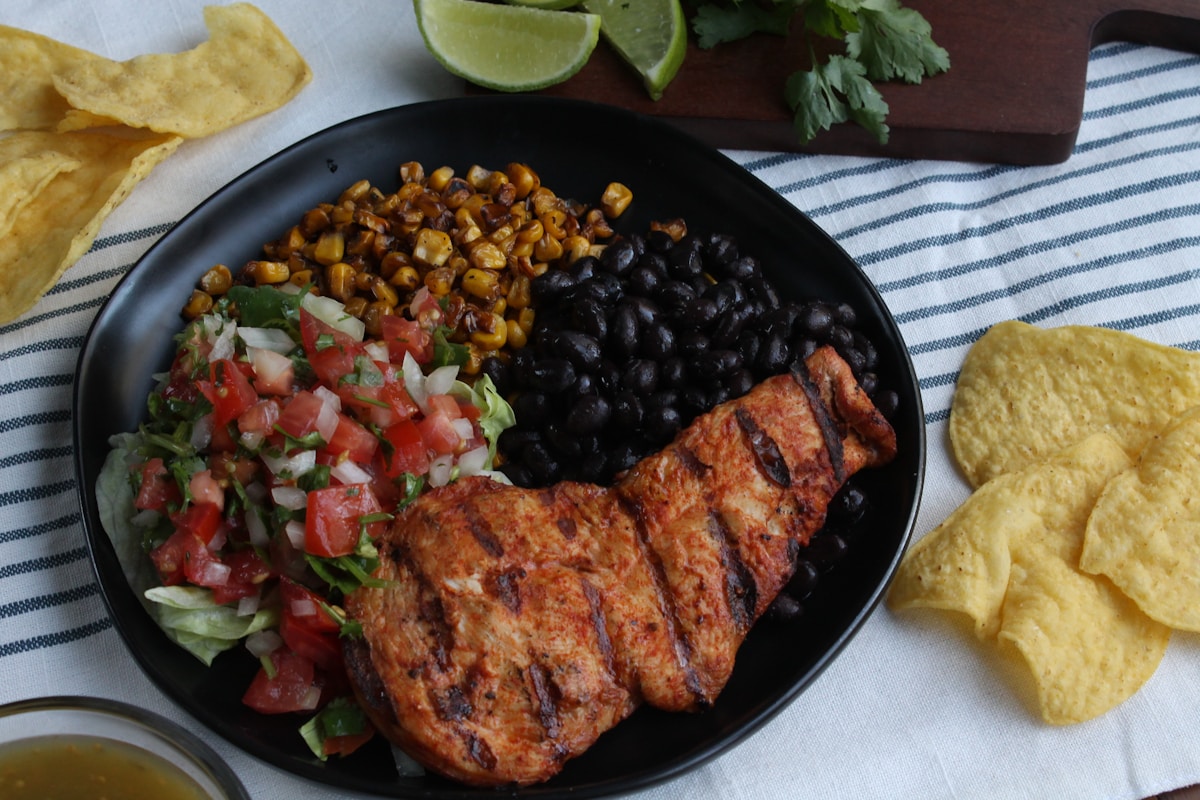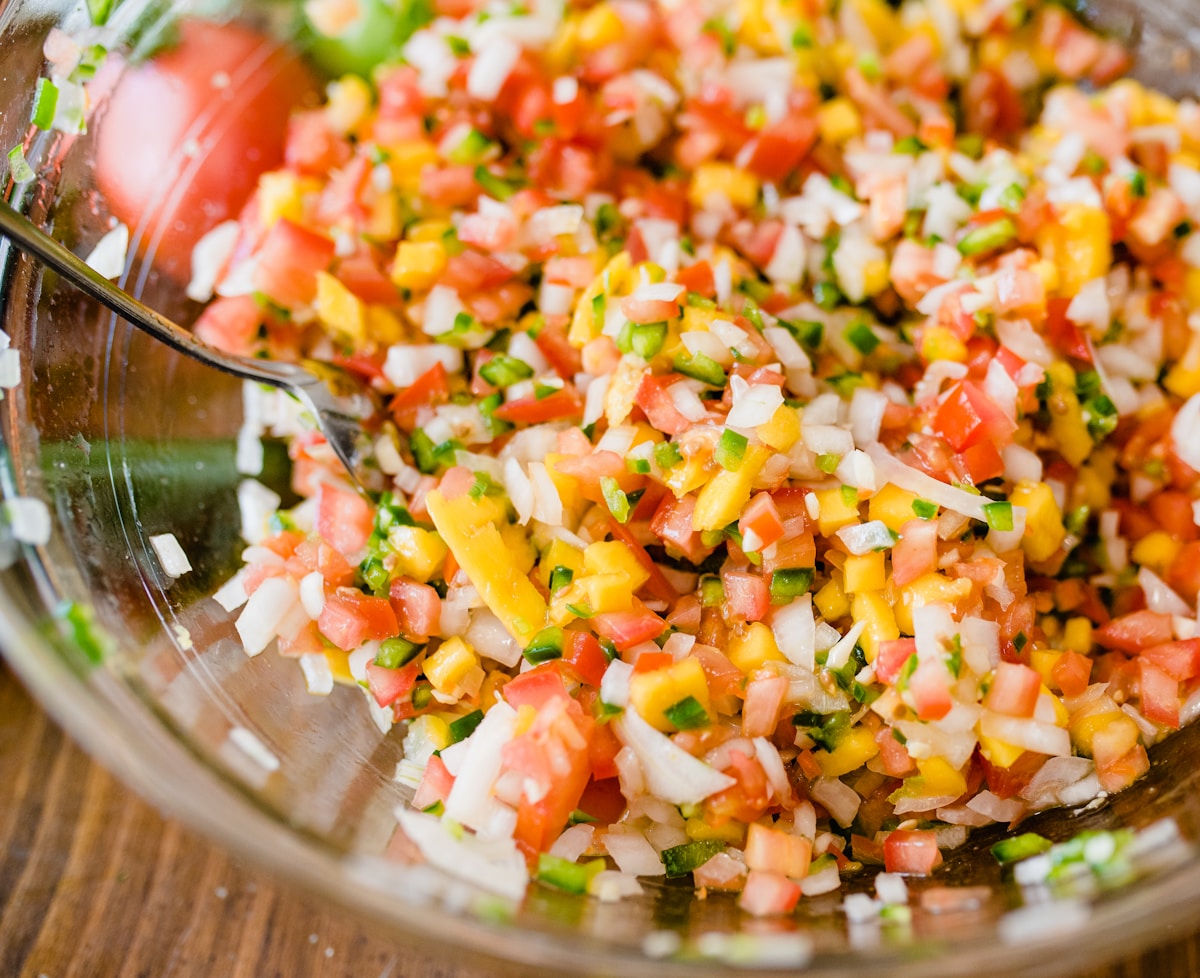
Picture this: You’ve got a bowl of beautiful, ruby-red tomatoes, diced to perfection. You’ve minced a crisp white onion and a fiery jalapeño, their sharp aromas filling your kitchen. You’re just moments away from a perfect bowl of fresh, vibrant pico de gallo to scoop up with crunchy tortilla chips.
You reach into the fridge for the finishing touches, the two ingredients that will tie it all together, and your heart sinks. There’s no cilantro. Not a single lime to be found.
Is dinner ruined? Do you have to throw in the towel? Absolutely not. But it’s a perfect moment to understand what makes this simple salsa so magical, and why certain ingredients are more than just a suggestion. Everyone starts somewhere, and today, we’re starting with the heart and soul of pico de gallo.
What Exactly Makes Pico de Gallo Tick?
Before we talk about what you can leave out, let’s talk about what makes pico de gallo, well, pico de gallo. The name translates to “rooster’s beak,” and while the origin is debated, the identity of the dish is crystal clear: it’s a celebration of freshness. It’s not a cooked, soupy salsa. It’s a chunky, vibrant, uncooked relish where every single ingredient gets to shine.
Think of it like a five-piece band. You have:
- Tomato: The lead singer. Sweet, juicy, and the star of the show.
- Onion: The bass player. Providing a sharp, pungent, foundational rhythm.
- Chili (like Jalapeño or Serrano): The lead guitar. Bringing the exciting, spicy solos.
- Cilantro: The keyboardist. Adding a unique, herbaceous, citrusy melody you can’t get anywhere else.
- Lime Juice: The drummer. The bright, acidic beat that cuts through everything and keeps the whole song together.
When all five are playing in harmony, you get that classic pico de gallo flavor. When you take one or two away, the band can still play, but it’s going to sound like a very different song. You might end up with a simple tomato salad, which is delicious in its own right, but it won’t have that signature pico sound.
The Science Behind the Squeeze Why Lime is a Powerhouse
This is where a little kitchen science can make you a much more confident cook. Lime juice isn’t just in the recipe for its tangy flavor—it’s doing some serious work behind the scenes. It plays two critical roles: flavor and preservation.
First, let’s talk flavor. Acidity is a cook’s secret weapon. That sour, zesty punch from the lime juice acts as a brightener. It slices through the richness of the tomato and mellows the harsh bite of the raw onion, making everything taste more balanced and alive. Without it, the flavors can feel flat and muddy. The onion can become overwhelmingly strong, creating what some describe as an “alarming aroma” if it sits for too long. (Trust me, it’s not pleasant.)
Second, and this is the really cool part, is the chemistry. Lime juice is packed with citric acid, which is a powerful antioxidant. When you cut into a tomato or an avocado, you expose its flesh to oxygen, and a process called oxidation begins. It’s the same thing that turns a cut apple brown. This process degrades flavor, texture, and color.
The acid in the lime juice dramatically slows this process down. It’s like putting a protective shield over your beautifully diced vegetables, keeping them looking vibrant and tasting fresh for much longer. A pico made without lime will look dull and get watery far more quickly than one made with it. It’s the difference between a salsa that’s still good after an hour and one that looks a little sad after just 15 minutes.
The Great Cilantro Debate What If You Hate It?
Ah, cilantro. The world’s most divisive herb. For many of us, it’s a burst of fresh, peppery, citrusy goodness that is absolutely essential. For others, due to a specific genetic trait, it tastes overwhelmingly like soap. If you’re in the soap camp, I see you, and I understand!
For those who enjoy it, cilantro provides a complex flavor note that has no perfect substitute. It’s what gives pico de gallo its signature herbaceous character. Leaving it out means you lose that entire layer of flavor. The result will be much simpler, focusing almost entirely on the tomato, onion, and chili.
But here’s the good news: unlike lime juice, which serves a structural purpose, cilantro is purely about a specific flavor profile. If you can’t stand it, you absolutely should leave it out. The goal is to make food you love, after all! We’ll talk about what you can use instead in just a moment.
Your Best Options When Ingredients Are Missing
Okay, so your fridge is bare, but you still want that salsa. Let’s break down the best possible swaps. Remember our motto: confidence comes from understanding, not perfection.
If You’re Missing Lime Juice: Your primary goal is to replace the acid. This is non-negotiable for balance.
- Best Substitute: Other fresh citrus. A lemon is your closest friend here. It will provide the necessary acidity, though the flavor is slightly different (more sharp-sour, less floral-tangy). In a real pinch, a splash of orange or even grapefruit juice can work, but be mindful that they will add sweetness.
- Good Substitute: A light vinegar. We’re talking a tiny splash of red wine vinegar, white wine vinegar, or apple cider vinegar. Vinegar is much more potent and less nuanced than fresh citrus juice, so start with a quarter of a teaspoon, stir, and taste. You can always add more, but you can’t take it away.
- Last Resort: Nothing. If you have no acid at all, just chop your ingredients, add salt, and serve it immediately. Think of it as a fresh tomato topping, and eat it before it has a chance to get watery and bland.
If You’re Missing (or Hate) Cilantro: Your goal is to replace the fresh, green, herbaceous element.
- For Cilantro Lovers (Who Just Ran Out): The most common substitute is fresh flat-leaf parsley. It will give you a fresh, green flavor, but it lacks the distinct citrusy character of cilantro. A great little kitchen hack is to use parsley and then add a tiny bit of lime zest (the grated green part of the lime peel) to mimic some of that missing complexity.
- For Cilantro Haters: Don’t try to find a direct replacement. Instead, pivot! Think about what other fresh herbs you love with tomatoes. A small amount of fresh oregano is wonderful. Finely chopped chives or the green tops of scallions can add a gentle oniony freshness. Some people even like a little bit of fresh mint for a surprising twist. You’re not making classic pico anymore; you’re making your own signature fresh salsa, and that’s fantastic!
My Go-To Never-Fail Pico de Gallo
When you do have all the right ingredients, here is a blueprint for perfection. The key is quality ingredients and the right balance.
Ingredients:
- 4-5 ripe Roma tomatoes (they’re less watery than other varieties)
- 1/2 medium white onion, finely diced
- 1 jalapeño, stem and seeds removed, minced (leave a few seeds if you like it extra spicy)
- 1/2 cup fresh cilantro, stems and leaves roughly chopped
- Juice of 1-2 large limes (you want about 2-3 tablespoons)
- 1/2 teaspoon kosher salt, plus more to taste
Instructions:
- Prep Your Veggies: The secret to great pico is a uniform dice. Try to chop your tomatoes and onion to a similar size, about 1/4 inch. This ensures you get a perfect mix of flavors in every bite.
- Combine: In a medium bowl, combine the diced tomatoes, onion, minced jalapeño, and chopped cilantro.
- Add the Magic: Squeeze the lime juice all over the mixture. Sprinkle with the 1/2 teaspoon of salt.
- Stir & Wait: Gently stir everything together. Now for the hard part: let it sit for at least 15 minutes! This gives the salt time to draw out a little juice from the tomatoes and allows all the flavors to mingle and get happy. (Your future self will thank you.)
- Taste & Adjust: After 15 minutes, give it one last stir and taste it with a chip. Does it need more salt? A little more lime for zing? Another pinch of cilantro? Now is the time to adjust it until it tastes perfect to you.
Kitchen Hack: To get the most juice out of a lime, press down firmly and roll it on your countertop for about 20 seconds before you cut into it. This breaks down the membranes inside and makes it much easier to squeeze.
Try This Tonight
Don’t let a missing ingredient stop you from getting into the kitchen. The most important thing you can learn is how flavors work together.
So here’s your mission: Find a tomato. Find an onion. And find some kind of acid—a lemon, a lime, or even a tiny bit of vinegar. Chop the tomato and onion, add a pinch of salt, and add that squeeze of acid. Stir it and taste it. Notice how that single sour element instantly makes everything taste brighter and more complete. That’s a lesson no recipe can teach you as well as your own taste buds can. You’re not just making a snack; you’re building confidence, one delicious bite at a time.