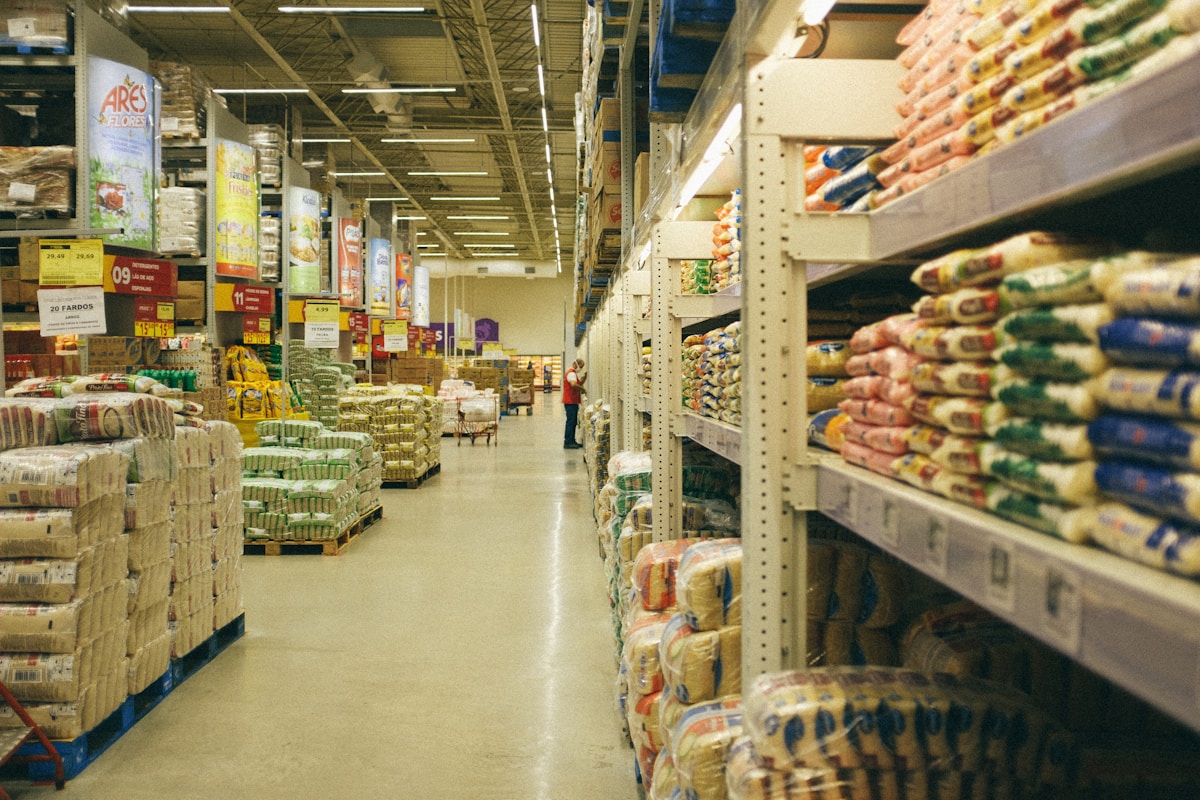
There’s a certain thrill to walking into a Restaurant Depot. The towering shelves of commercial-grade sheet pans, the gallon jugs of high-quality olive oil, the sheer variety of tools that make you feel like a professional chef. It’s a wonderland for those of us who take our home cooking seriously and appreciate a good deal.
But a tremor is running through the food supply world, and it could reshape that landscape. News is swirling about a potential multi-billion dollar acquisition of Restaurant Depot by the distribution titan, Sysco. As someone who believes the right tool at the right price is key to a happy kitchen, this news immediately set off my internal alarms. So, let’s break down what’s happening and what it could mean for your wallet and your pantry.
What’s The Big Deal Anyway?
First, let’s get the players straight. Think of Sysco as the massive behind-the-scenes operator that delivers truckloads of food and supplies to chain restaurants, hospitals, and hotels. They are a “broadline distributor,” dealing in enormous volumes. Restaurant Depot, on the other hand, is the “cash-and-carry” warehouse where independent restaurant owners, caterers, and in-the-know home cooks (with a membership) can go buy supplies directly.
Sysco’s potential plan to buy Restaurant Depot would bring these two worlds under one gigantic corporate roof. On the surface, it’s just business. But when one company controls such a massive slice of the food and equipment supply chain, it has ripple effects that can reach all the way to your kitchen counter.
The main concern? Competition. Or, more accurately, the lack of it. When fewer companies are competing for your business, they have less incentive to keep prices low and quality high. (And we all know how that story usually ends.)
We’ve Seen This Movie Before
If this situation feels familiar, it’s because it is. Back in 2015, Sysco tried a similar move to acquire its main competitor, US Foods. The Federal Trade Commission (FTC), the government body responsible for preventing anti-competitive monopolies, stepped in and blocked the deal.
Their reasoning was simple and sound: merging the two biggest players would have created a behemoth that could dictate prices and crush smaller competitors, ultimately hurting both restaurant owners and their customers. The FTC’s action preserved a level of competition that helps keep the market fair. Now, with the potential Restaurant Depot deal, the same questions are being asked. Will a single company having this much power be good for anyone besides their own shareholders?
The Real-World Impact on Your Shopping Cart
This isn’t just abstract corporate talk. A merger of this size could have very tangible effects on your next shopping trip. While there’s no crystal ball, here are the most likely outcomes based on how these things typically play out.
Likely Negative #1: Price Hikes This is the big one. Restaurant Depot is beloved for its value. That 50-pound bag of King Arthur flour or that case of commercial-grade food wrap costs significantly less than it would at a regular grocery store. With less competition, the pressure to offer those low prices diminishes. A new, consolidated ownership could see an opportunity to “optimize” pricing—which is corporate-speak for making you pay more for the same items.
Likely Negative #2: Reduced Selection Giant corporations love efficiency. Often, that means streamlining inventory and cutting products that don’t sell in massive volumes. That quirky regional hot sauce you love? The specific brand of Belgian chocolate wafers perfect for your baking? The odd-sized but essential Cambro container? These could all be on the chopping block in favor of a more standardized, one-size-fits-all inventory that works for large chains but ignores the needs of smaller, more specialized buyers.
Likely Negative #3: A Shift in Focus Sysco’s business model is built on massive, scheduled deliveries. Restaurant Depot’s success is built on a direct-to-customer warehouse model. Will a Sysco-owned Restaurant Depot still cater to the small business owner or home cook walking in to buy a single box of gloves and a new spatula? Or will the focus shift to larger accounts, potentially making the in-store experience less convenient or welcoming for the little guy? It’s a valid concern.
My Advice What to Do Now
This deal is far from done. The FTC will have to scrutinize it intensely, and there will be a lot of debate. But being a smart shopper means being prepared.
-
Don’t Panic, But Pay Attention: Keep an eye on the news. This process will take many months, if not longer. No prices are going to change overnight.
-
Scout Your Alternatives: Now is an excellent time to find other restaurant supply stores in your area. Many cities have smaller, independent suppliers that are fantastic resources. Supporting them is not only good for your wallet but also helps maintain a competitive market.
-
Kitchen Hack: The Strategic Stock-Up: If you’ve had your eye on a durable piece of kitchen equipment—a heavy-duty stand mixer attachment, a large stockpot, or a set of those beautiful half-sheet pans—it might be wise to purchase it sooner rather than later. Non-perishable equipment is a safe bet. Think of it as an investment before any potential market shifts. A great 12-quart stockpot, for example, is something you’ll use for 20 years. Getting it at today’s price is just smart planning.
Ultimately, our access to professional-grade tools and ingredients at fair prices makes us better cooks. Places like Restaurant Depot have leveled the playing field for serious home chefs. Let’s hope it stays that way. For now, we’ll be watching, and you can bet I’ll report back on any new developments that could affect our favorite place: the kitchen.