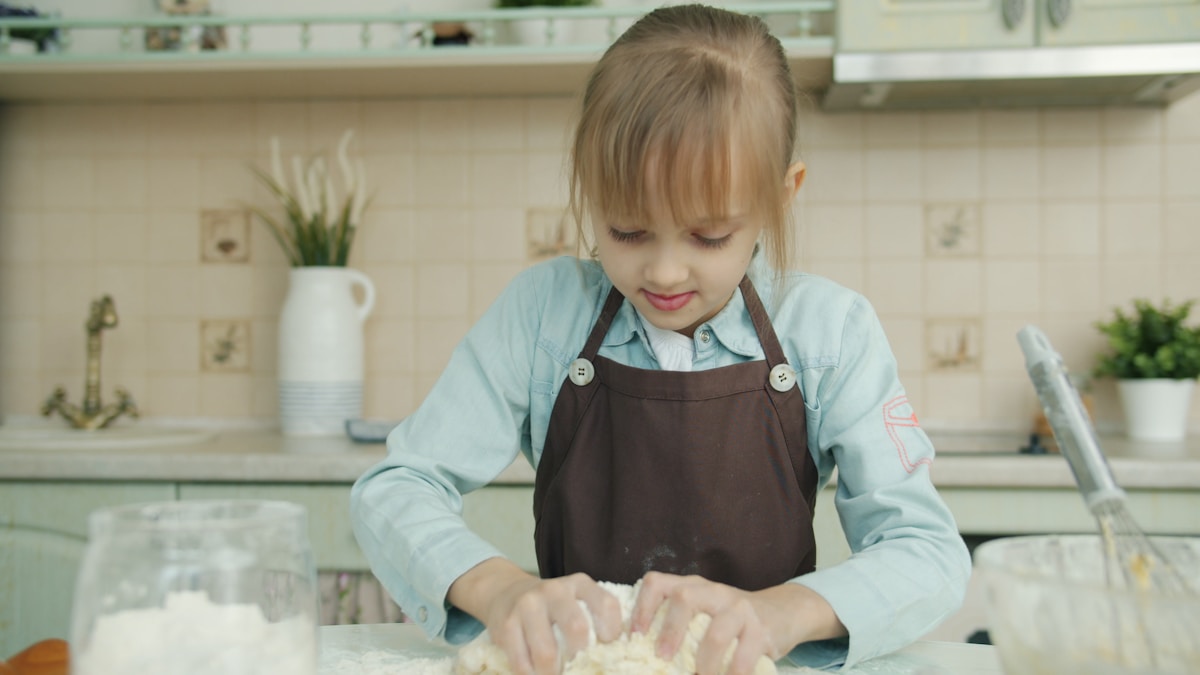
Can Making Strudel with Puff Pastry Really Get My Teen Interested in Cooking?
A few weeks ago, I stumbled across a heartwarming story on Reddit’s r/Cooking forum. A stepmother shared how she spent Mother’s Day weekend teaching her 12-year-old stepson to make strudels. The boy showed natural ability and genuine enthusiasm — and the community erupted in cheers. It got me thinking: what is it about strudel that clicked for this teenager? And more importantly, can that same magic work in your kitchen? The answer, based on my own years of teaching kids and teens, is a resounding yes — if you pick the right recipe and step back at the right moments.
Understanding the Teenage Kitchen Resistance
Let’s be honest — getting a teenager to help in the kitchen can feel like pulling teeth. They roll their eyes at chopping vegetables, groan at stirring pots, and would much rather scroll through their phone. The problem isn’t laziness; it’s purpose. Teens want to do things that feel meaningful, creative, and adult-like. A task that feels like a chore (washing dishes, peeling potatoes) will never spark joy. But a project that looks impressive, involves their hands, and ends with something they can proudly serve? That’s a different story. That’s why the stepmother’s choice of strudel was so brilliant. It’s not everyday cooking — it’s a performance piece.
Why Strudel Works: The Perfect Teen Project
Strudel is a surprisingly forgiving recipe for young cooks. The dough (or store-bought puff pastry) is pliable and responsive. There’s a satisfying rhythm to rolling it out, brushing it with melted butter, layering the filling, and rolling it into a tight log. The final result — golden, flaky, and filled with whatever they love — is a guaranteed confidence booster. In the Reddit story, the stepmom let her stepson choose the filling: apple, cinnamon, and raisins. That autonomy was key. When a teenager has ownership over the flavor decisions, they become invested. (Trust me on this one: I’ve seen the difference between a teen told to make apple pie and one who chooses between cherry and apple. The chooser eats the whole thing.)
Choosing Your Dough: Homemade vs. Store-Bought
Traditional strudel dough requires patience and skill — stretching it over a tablecloth until paper-thin, using the backs of your hands. That can be a fun challenge for a motivated teen, but it’s not for everyone. For a first attempt, I strongly recommend using frozen puff pastry. Brands like Pepperidge Farm (around $5 for a sheet) or Dufour (about $8 for premium) work beautifully. Thaw the sheets in the refrigerator overnight, then let them sit at room temperature for 15 minutes before rolling. The advantage? Puff pastry is foolproof. You still get that flaky, buttery magic without the stress of a temperamental dough. If your teen is up for a challenge, try the real thing. King Arthur Flour’s website has an excellent traditional strudel recipe. The key temperature: traditional dough should be stretched while slightly warm, and the final bake is at 375°F (190°C) for 25-30 minutes until deep golden brown. For puff pastry, bake at 400°F (200°C) for 20-25 minutes — the higher heat makes the layers puff dramatically. A kitchen hack? Use a pizza cutter to trim uneven edges — it’s safer than a knife for young hands and gives a clean line.
Letting the Teen Lead: A Parent’s Role
The Reddit commenters nailed it: the best thing you can do is step back. Give your teen the recipe, the ingredients, and clear safety instructions, then let them take charge. Offer guidance only when asked, and bite your tongue when they do things differently than you would. (Yes, it’s hard.) Positive reinforcement goes miles. Compliment their rolling, their filling distribution, their crimping. Even if the strudel looks a little lumpy, it will taste amazing, and they’ll glow with pride. Safety is non-negotiable, though. Show them how to handle a sharp knife (claw grip) and how to use oven mitts. For puff pastry, remind them that the butter in the dough makes the pan hot — use a timer and check doneness together.
Filling Ideas That Keep It Fun
One of the best parts of strudel is the infinite filling options. Classic apple strudel: 4 cups diced apples, 1/2 cup sugar, 1 tsp cinnamon, 2 tbsp flour, 1/4 cup raisins. Toss together and spread over the dough. For cherry lovers: use canned cherry pie filling or pitted fresh cherries with a little almond extract. Sweet cheese filling: mix 8 oz cream cheese, 1/4 cup sugar, 1 egg yolk, and vanilla. Even savory works — try a combo of sautéed mushrooms, spinach, and feta with a pinch of garlic for a dinner strudel. Or go wild with Nutella and banana slices (just don’t overfill, or it will leak). Let your teen browse fillings and decide. The more ownership, the more excitement.
Practical Tips for a Smooth Experience
- Set up a clean, floured work surface. Puff pastry sticks easily, and cleanup is easier if you flour generously.
- Have all ingredients measured and ready before starting (mise en place — a great habit to teach).
- Use a baking sheet lined with parchment paper for easy cleanup.
- For traditional dough, keep a damp cloth nearby to cover unused portions so they don’t dry out.
- Brush the top with an egg wash (1 egg + 1 tbsp water) for a glossy, golden crust.
- Bake until deep golden brown — internal temperature of the filling should reach 165°F (74°C) if using meat or eggs.
- Cool for at least 10 minutes before slicing to avoid a gooey mess. Use a serrated knife for clean cuts.
- Have your teen help with cleanup too — it’s part of the process and builds respect for the kitchen.
Conclusion: More Than Just a Recipe
The stepmother and stepson’s strudel adventure is a beautiful example of how the kitchen can bridge generations. When we hand over the rolling pin and trust our teens to create, we’re not just teaching cooking skills — we’re building confidence, connection, and memories. That Reddit post got hundreds of upvotes because it resonates with so many of us who want to share the joy of cooking with the next generation. So the next time you’re wondering how to spend quality time with your teenager, push the recipe box across the counter and say, "Let’s make strudel." You might be surprised at what unfolds — and what gets baked.