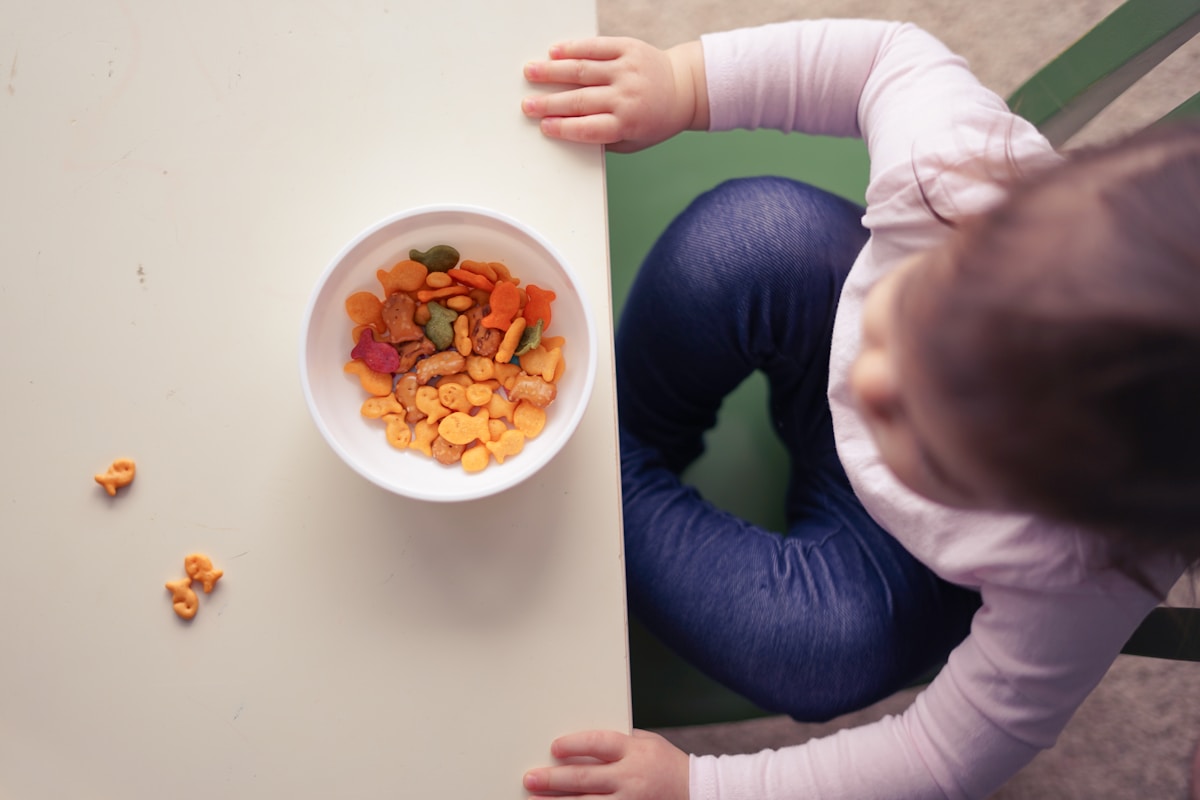
Oh, my dear, let me paint a picture. See if it sounds familiar. You’ve spent the better part of an hour creating a healthy, colorful, and (you hoped) delicious meal for your little one. You place the plate on their high chair tray, a triumphant smile on your face, only to be met with a piercing shriek. The beautifully arranged broccoli florets are launched into orbit, the cup of milk is overturned in a dramatic tidal wave, and your sweet toddler transforms into a tiny, raging food critic.
If you just nodded your head, sighed, and felt a familiar tension in your shoulders, please know you are not alone. For months, maybe even years, we parents have been told that these mealtime meltdowns are a battle of wills. A behavioral issue. A power struggle we must ‘win.’ We try sticker charts, the ‘one bite’ rule, and gentle (or not-so-gentle) discipline, all while our own stress levels skyrocket.
But what if I told you we’ve been looking in the wrong direction? What if the problem isn’t your child’s defiance, but their environment? Recently, a wonderful parent shared a breakthrough online that resonated with thousands of us: after six months of chaos, they realized the setting, not the child, was the source of the struggle. By shifting the physical and emotional atmosphere of their meals, the tantrums simply… stopped. This isn’t just a fluke; it’s a powerful insight into the sensitive world of a toddler. The kitchen is where families grow, and sometimes, we need to tend to the soil before we can expect the flowers to bloom.
The Real Reason Behind the Meltdown
Before we start rearranging furniture, let’s get into the ‘why.’ A toddler’s brain is a magnificent, chaotic, and rapidly developing place. They don’t have the sophisticated filters that we adults do. What we might register as background noise, they experience as a sensory assault.
A typical kitchen at dinnertime can be overwhelming:
- Sounds: The TV blaring in the next room, the dishwasher humming, another sibling chattering, the scrape of a fork on a plate.
- Sights: Clutter on the table, bright lights overhead, toys strewn across the floor, a parent’s stressed-out face.
- Feelings: An uncomfortable high chair with no foot support (imagine your legs dangling for 20 minutes!), a wobbly booster seat, the sticky residue from lunch.
For a little person who can’t yet say, “Mummy, the noise is too loud and my feet are falling asleep,” this sensory overload triggers their primitive fight-or-flight response. The only tools they have to communicate this overwhelming distress are the ones we see: crying, screaming, and throwing food. It’s not a calculated act of defiance; it’s a desperate SOS call. They feel insecure and out of control, so they try to control the one thing they can: what goes into their mouth. When we understand this, we can shift from being a disciplinarian to being a detective, looking for clues in our environment.
How to Create Your Family’s “Food Sanctuary”
Let’s roll up our sleeves and turn your dining space from a battlefield into a peaceful sanctuary. These aren’t complicated, expensive changes. They are small, mindful shifts that can have a massive impact on the emotional tone of your meals. (Your future self will thank you.)
1. Clear the Decks: Before you even bring food to the table, take 60 seconds to clear the clutter. Remove the mail, the keys, the half-finished craft project, and the mountain of toys that have migrated from the playroom. A clean, clear surface sends a powerful signal to a child’s brain: “This space has one purpose right now. It is time to eat.” You want the food to be the most interesting thing in their immediate line of sight.
2. Silence the Screens: This is a non-negotiable, my friends. Turn off the TV, put away the tablets, and place your phones on silent and out of sight. Screens are designed to be hypnotically distracting. You cannot expect a child to focus on the subtle task of eating when a cartoon is blasting colors and sounds nearby. A meal without screens allows for connection, conversation (even if it’s just goo-goo-ga-ga), and a chance for your child to actually listen to their own body’s hunger and fullness cues.
3. Comfort is King (or Queen!): This is the tip that changes everything for so many families. Check your child’s seating. Are their feet dangling in mid-air? This is incredibly uncomfortable and neurologically distracting. It prevents them from feeling stable and grounded, which is essential for focusing on eating.
- The 90-Degree Rule: Aim for a 90-degree angle at their hips, knees, and ankles. Their feet should be flat on a firm surface.
- Booster Seats & High Chairs: Look for high chairs with adjustable footrests. If yours doesn’t have one, you can get creative! Strap a sturdy, flat-surfaced box to the legs, or invest in an aftermarket footrest (you can find many online). For booster seats, place a small stool or a stack of sturdy books underneath for their feet. This single adjustment can be the difference between a wriggly, frustrated child and a calm, focused eater.
4. Build a Gentle Ritual: A predictable routine is like a warm blanket for a toddler’s anxious mind. It tells them what’s coming next, so there are no jarring surprises. Your pre-meal ritual doesn’t need to be complicated. It could be as simple as:
- A 5-minute warning: “In five minutes, we’re going to wash our hands and get ready for dinner!”
- Washing hands together while singing a silly song.
- Letting them help set the table by carrying their own (unbreakable) plate or spoon.
- Lighting a candle (safely out of reach) to signify that mealtime has begun.
This transition time allows their nervous system to downshift from hectic playtime to calm eating time.
Making Food the Fun Part Again
Once the environment is calm, we can work on rebuilding a positive relationship with the food itself. The goal is to remove the pressure and inject some joy and curiosity back onto the plate.
My favorite kitchen hack for this is the “Toddler Tasting Platter.” Instead of serving a composed plate of food that can look intimidating, try a deconstructed approach. Use a sectioned plate or a muffin tin and place small, manageable amounts of different foods in each compartment. You could have a little pile of shredded cheese, a few cubes of chicken, three raspberries, two crackers, and a spoonful of yogurt.
This method empowers your child. They are in control. They get to choose what to eat and in what order. This sense of autonomy drastically reduces power struggles. There’s no pressure to “finish your peas” because the peas are just one of several options. You, the parent, control what is offered, and they, the child, control if and how much they eat.
Another way to bring joy is to involve them in the preparation. A 3-year-old can’t chop onions, but they can absolutely help! Age-appropriate tasks build confidence and make them more likely to try something they had a hand in creating.
Easy Tasks for Tiny Hands:
- Washing potatoes or carrots in the sink.
- Tearing lettuce leaves for a salad.
- Stirring cold ingredients in a big bowl.
- Sprinkling cheese on top of a casserole.
- Mashing a banana with a fork for banana bread.
Try making something simple and fun like Funny Face Toast. Just toast a piece of bread, spread it with cream cheese or mashed avocado, and let your toddler help decorate it. A slice of banana for a nose, two blueberry eyes, and a raspberry smile. Is it a culinary masterpiece? No. Is it a joyful food experience that ends in smiles instead of tears? Absolutely.
Your Calm is Contagious
Finally, my dear friend, let’s talk about the most important element in the room: you. Our children are tiny emotional barometers, and they are exquisitely tuned in to our energy. If you come to the table already stressed, anticipating a fight, clenching your jaw, they will feel it. Your anxiety becomes their anxiety.
I know it is easier said than done, but try to take a few deep breaths before serving the meal. Remind yourself of your new goal. Your job is not to force-feed your child. Your job is to provide a safe, calm environment and nutritious food. That’s it. You have done your part. The rest is up to them.
Celebrate the small wins. Did they sit at the table for five minutes without screaming? A victory! Did they touch a piece of broccoli, even if they didn’t eat it? A huge win! Let go of the ‘clean plate club’ mentality and embrace the process. Every meal is a new opportunity to build a positive connection. There will still be messy days and rejected meals, of course. But by focusing on the environment first, you are building a foundation of peace and trust that will last a lifetime. You are teaching them that the kitchen table is a happy place—a place where the family comes together not just to eat, but to connect, to laugh, and to grow.