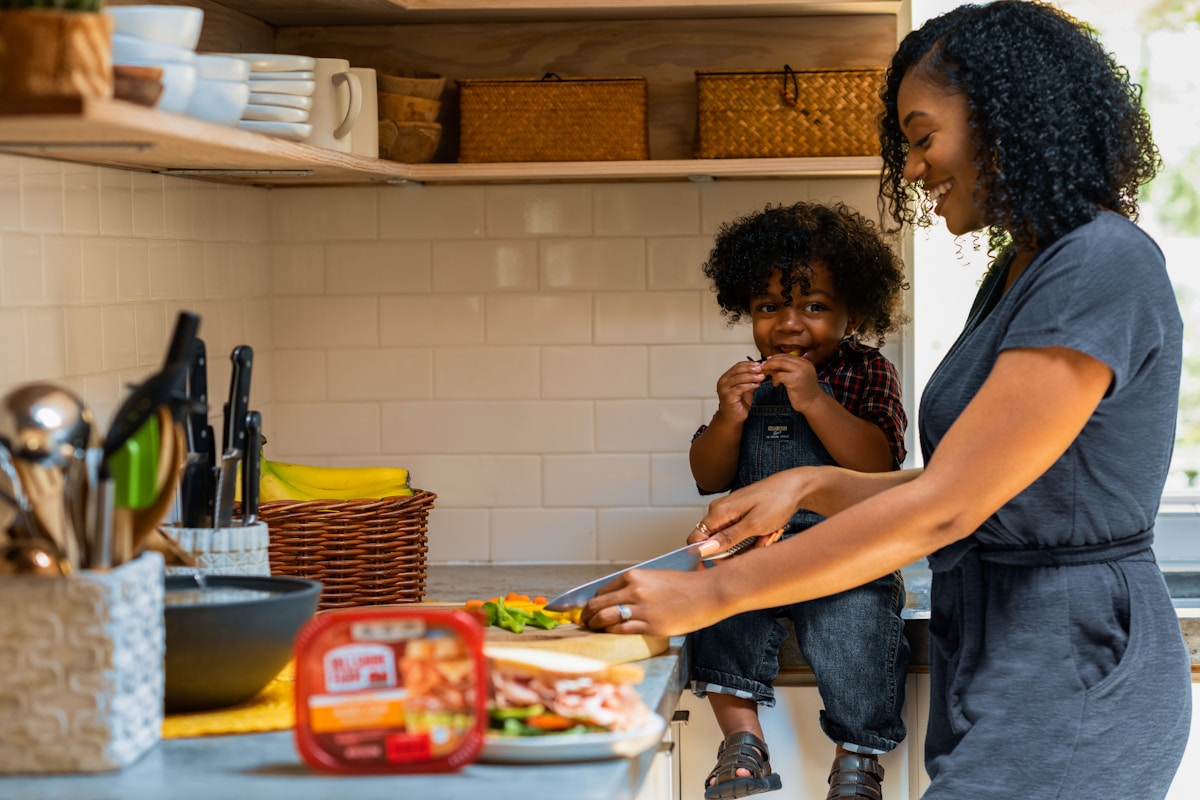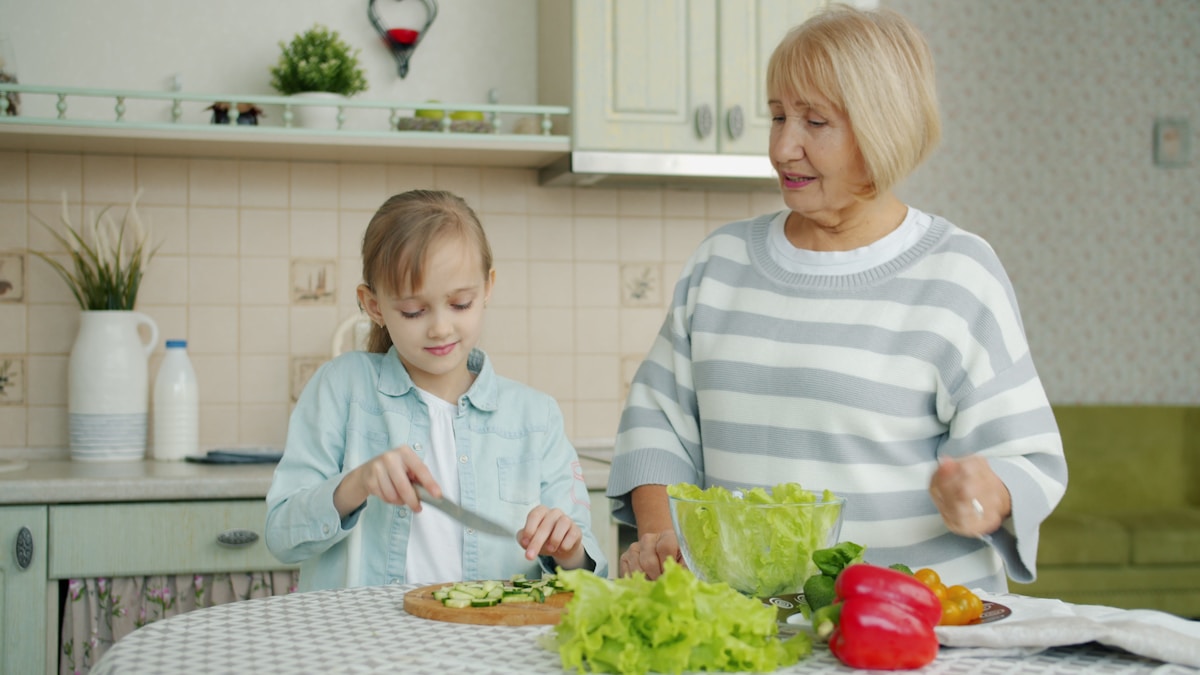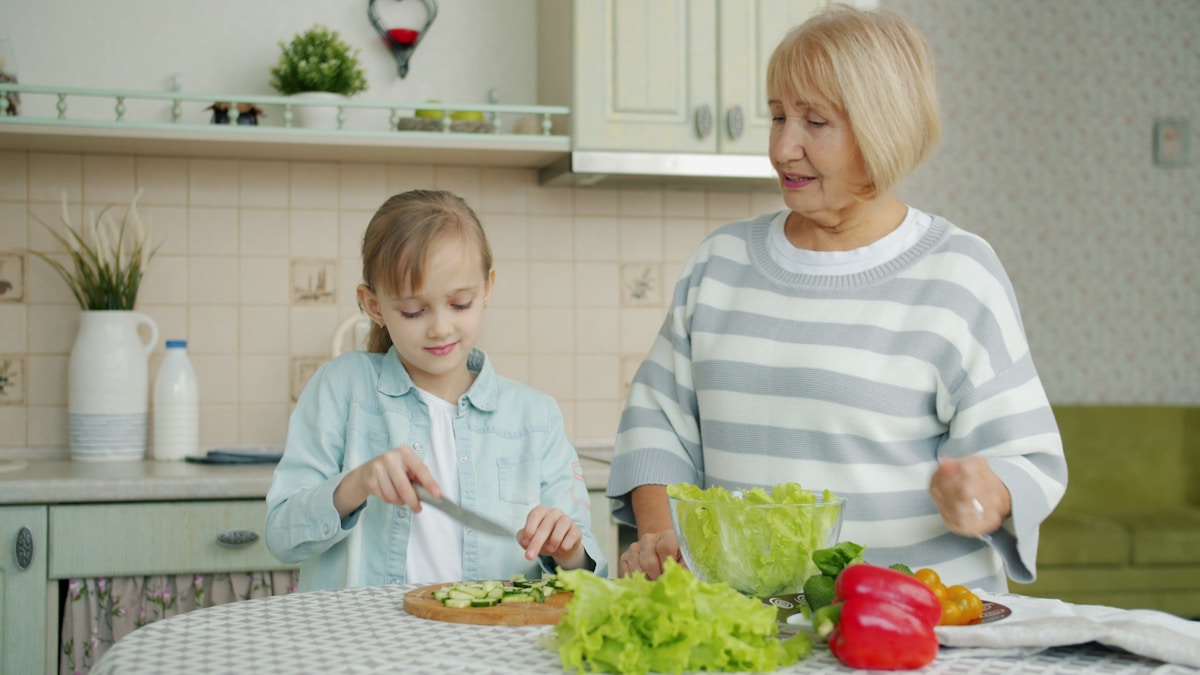
I remember the first time my youngest daughter cracked an egg. It went everywhere—shell in the bowl, yolk on the counter—but her smile was priceless. That’s the beauty of cooking with kids: messy, unpredictable, and absolutely worth it. If you’re wondering what tasks are safe for your 6- to 9-year-old, you’re not alone. Many parents ask this question, especially when they have a hands-on dad (or mom) eager to share kitchen time. The American Academy of Pediatrics and USDA offer excellent guidelines. Let’s break them down so you can cook together with confidence.
Understanding Safety First
Before handing a knife to a child, establish firm ground rules. Every cook, no matter the age, starts with handwashing. Teach your kids to wash with warm soapy water for at least 20 seconds—sing "Happy Birthday" twice. Next, designate a "safe zone" away from the stove and oven. For ages 6-9, supervision is non-negotiable. The AAP recommends that children this age can handle tasks like washing produce, stirring, measuring dry ingredients, and using a blunt knife for soft items. The key is to match the task to the child’s fine motor skills and attention span. A 6-year-old might need help with opening a jar, while a 9-year-old can likely handle a peeler or a small whisk.
Age-Appropriate Tasks That Build Skills
Let’s get specific. For kids 6-7, focus on tasks that don’t involve heat or sharp edges. They can tear lettuce, snap green beans, scrub potatoes, and mix dry ingredients. Measuring cups are perfect for learning fractions—use a set of stainless steel measuring cups from OXO Good Grips (about $15) for easy gripping. They can also use a small whisk to beat eggs, or a silicone spatula to scrape bowls. For 8-9-year-olds, introduce a blunt knife, like the Kuhn Rikon Kids’ Knife (around $12) or the Opinel Le Petit Chef (about $15). With supervision, they can slice soft fruits like bananas, mushrooms, or avocado. Always show them the claw grip: curl fingers inward, knuckles against the blade. Never let them cut toward their hand.
Essential Tools for Little Hands
Invest in tools that fit their size. A sturdy step stool (I recommend the KitchenAid Step Stool, about $40) brings them to counter height safely. A small mixing bowl with a non-slip base (like the Pyrex glass mixing bowls, $20) prevents spills. For gripping, choose kitchen tools with thick, ergonomic handles. Avoid metal bowls that slide. When baking, a digital kitchen scale (like the Escali Primo, $25) is easier than measuring cups for kids—just press tare and add ingredients. And always have a big apron with a pocket (I love the Hedley & Bennett Junior Apron, $30) to catch stray flour.
Kitchen Hacks to Try Right Now
Here’s a tip that works wonders: use a damp paper towel under the mixing bowl to keep it from spinning while your child stirs. (Your future self will thank you.) Another hack: when teaching kids to crack eggs, crack them first into a small bowl, then let the child transfer them. This prevents shell bits in the final dish. For measuring sticky ingredients like honey or oil, lightly spray the measuring cup with nonstick spray—slides right out. (Genius, right?) Also, set a timer for tasks that require patience, like sifting flour or waiting for butter to soften. Kids love the beep.
Building Skills Gradually With a Simple Recipe
Start with no-cook recipes. One of our favorites is "Personal Pita Pizzas." Ingredients: whole wheat pitas, tomato sauce (canned or homemade), shredded mozzarella, and toppings like bell peppers, olives, and cooked sausage. Steps: 1) Preheat oven to 400°F (200°C) — you do this part. 2) Let your child spread sauce with the back of a spoon (6-year-old task). 3) Sprinkle cheese and arrange toppings (great for fine motor skills). 4) Bake for 8-10 minutes until cheese melts. Let cool, then slice with a pizza wheel (adult only). This recipe teaches spreading, measuring, and patience. As confidence grows, try scrambled eggs on the stove with low heat (always supervised). Start with butter in a nonstick pan over medium-low. Have your child whisk eggs in a bowl, then pour them in and stir gently. At 350°F (175°C), the eggs cook quickly. Remove from heat when still slightly wet—carryover cooking finishes them.
When to Step Up or Step Back
Not every child is ready for the same tasks at the same age. Watch for signs: can they follow two-step instructions? Do they understand that the stove is hot? If they lose focus or get frustrated, go back to simpler tasks. The goal is joy, not perfection. A Reddit thread from a "hands-on dad of two girls turning 6 and 9" highlights this exactly. He started with lettuce tearing and graduated to using a peeler. The community agreed: start low-risk and build up. And always celebrate the outcome—even if it’s a lopsided pancake. (Taste is what matters.)
Final Thoughts
Cooking with kids ages 6-9 is about more than dinner. It’s about math (measuring), science (heat causes change), and confidence ("I made this!"). The AAP and USDA give us a solid framework, but your own kitchen rules matter most. Keep a calm voice, have a first aid kit nearby just in case, and never leave a child alone with a hot pan. Most importantly, let them make mistakes. A spilled egg can be cleaned. A burnt cookie is a learning lesson. The kitchen is where families grow together, one messy counter at a time.