


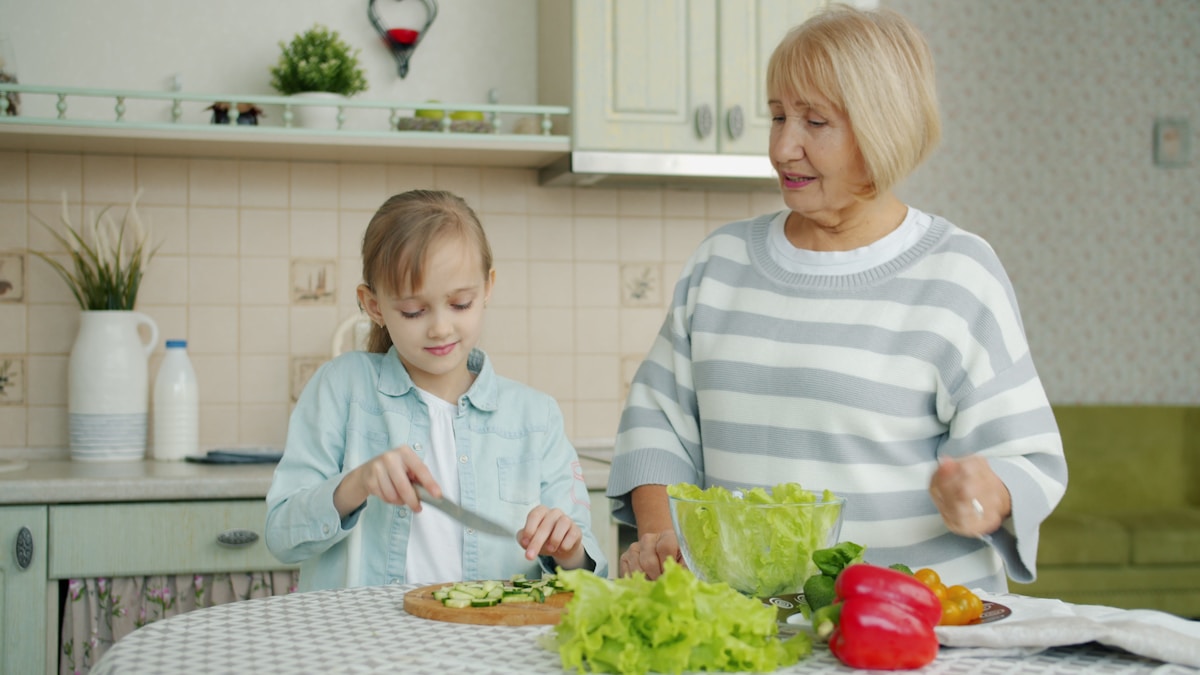
You know that 5 p.m. slump. The one where you’re staring into the fridge, the clock is ticking, and the little voices are already asking “What’s for dinner?” before you’ve even closed the door. If you’re nodding along, you’re not alone. A recent Reddit thread about parental burnout over dinner prep struck a chord with thousands of parents. The surprising takeaway? Children who help cook are more likely to eat what’s served. It sounds almost too simple, but research backs it up. A study published in the Journal of Nutrition Education and Behavior found that kids who helped prepare vegetables were more willing to taste them. So if you’ve been dreading mealtime battles, let’s talk about how to turn your kitchen into a place of cooperation and curiosity.
Why cooking together changes the game
Picky eating often stems from a fear of the unknown. When a child sees a plate of steamed broccoli, they might think “What is that green thing?” But when they’ve snapped the florets off the stem themselves, rinsed them, and watched them turn bright green in the steamer, that same broccoli becomes familiar. It’s their broccoli. The sense of ownership is powerful.
There’s also the sensory aspect. Kids explore the world through their hands. Letting them tear lettuce, squeeze a lemon, or sprinkle cheese gives them a chance to interact with food before it lands on their plate. That tactile experience reduces anxiety and builds curiosity. Your child might initially refuse to taste a raw bell pepper, but after they’ve helped cut it into strips (with a kid-safe knife, of course), they’re far more likely to pop one into their mouth. I’ve seen it happen in my own kitchen more times than I can count.
Age-appropriate tasks that build confidence
One of the biggest barriers parents face is not knowing what kids can safely do at different ages. The Kids Cook Real Food curriculum offers excellent step-by-step guides. Here’s a practical breakdown based on my experience and developmental guidelines:
Toddlers (2-3 years)
- Wash fruits and vegetables under cold running water
- Tear lettuce or herbs (soft herbs like basil are perfect)
- Snap green beans or break cauliflower into florets
- Wipe counters (a damp paper towel is their best friend)
- Place muffin liners into a tin
These tasks are all about sensory play and building that initial connection. Expect mess. Embrace it. A few splashes on the floor are nothing compared to the pride in their eyes when they help.
Preschoolers (4-6 years)
- Stir batters (use a sturdy wooden spoon and a deep bowl to minimize splatters)
- Set a timer (teach them to press start and listen for the beep)
- Squeeze citrus fruits (a handheld juicer makes this easy)
- Measure dry ingredients like flour or sugar (level spoons are great for motor skills)
- Spread butter or peanut butter on bread with a butter knife
At this stage, introduce simple decisions. “Do you want to add raisins or chocolate chips to the oatmeal?” That small choice gives them a sense of control, which often translates into willingness to eat.
Early elementary (7-9 years)
- Measure wet ingredients (use clear measuring cups and let them read the lines)
- Cut soft items with a kid-safe knife (a serrated nylon blade works well for cucumbers, bananas, mushrooms)
- Crack eggs (practice over a separate bowl to catch shells)
- Use a vegetable peeler with supervision (peel carrots or potatoes)
- Follow a simple recipe with pictures
This is the sweet spot. Their fine motor skills are improving, and they can start helping with real cooking tasks. A child who has measured the flour for your pancake batter is more likely to eat the pancakes.
Older kids (10+ years)
- Follow a multi-step recipe independently
- Use the stovetop with supervision (start with scrambled eggs or grilled cheese)
- Operate small appliances like a toaster oven or blender
- Plan a simple meal (choose a protein, a grain, and a vegetable)
- Wash and dry dishes
By the time they’re tweens, they can be genuine sous chefs. That independence not only helps with picky eating but also builds life skills you’ll appreciate later.
Safety first: setting up a kid-friendly kitchen
I understand the worry. Knives, heat, and little fingers don’t sound like a great combination. But with the right tools and rules, the kitchen can be a safe learning space.
Start with a sturdy step stool so your child can reach the counter without teetering. I recommend the KitchenAid Adjustable Step Stool (around $50) — it’s stable and easy to clean. For knives, invest in a set of kid-safe cutters. The Curious Chef nylon knife set (about $15) has serrated edges that cut soft produce but won’t break skin. Always demonstrate the proper grip: hold the food with bent fingers (claw hand) and cut away from your body.
Teach the hot stove rule from day one: never touch the stovetop or oven without an adult. Use the back burners first and turn pot handles inward. I keep a brightly colored silicone trivet that I put on the counter as a “landing pad” for hot pots. The rule is: if the pot is on the trivet, don’t touch. It’s visual and memorable for kids.
And clean as you go. Wipe up spills immediately to prevent slips. Give your child a spray bottle of water and a microfiber cloth — they’ll love the responsibility, and you’ll avoid sticky floors.
Real stories from the Reddit trenches
The Reddit thread I mentioned earlier was full of parents sharing their wins. One mom said her four-year-old refused to eat tacos for months. Then she let him shred the cheese and spoon the salsa. That night he ate an entire taco without complaint. Another parent said her seven-year-old now eagerly tastes vegetables he helped chop, even ones he rejected before. The common thread: start small, celebrate effort over final results, and don’t force tasting.
I’ve had similar experiences in my own home. My daughter would only eat raw carrots if she could peel them herself. She’d stand on her stool, peeling away half the carrot onto the floor, but then she’d eat every single shaving. Was it messy? Yes. Was it worth it? Absolutely.
How to start tonight without losing your mind
Pick one simple task. Not the whole meal — just one small job. Maybe your child can tear lettuce for the salad while you chop onions. Or they can place frozen fruit into the blender for smoothies. The key is to set them up for success. Have everything prepped beforehand: ingredients measured, tools laid out, step stool in place.
Use positive language. Instead of “Don’t make a mess,” try “Let’s see how carefully you can pour the water.” Praise their effort: “You worked so hard on stirring that batter!” If they refuse to taste the final dish, don’t push. Just say, “Maybe next time.” Pressure backfires. But repeated exposure, combined with the pride of ownership, slowly opens their minds.
One more tip: let them name the dish. Call it “Rosie’s Rainbow Salad” or “Leo’s Lucky Pasta.” It sounds silly, but it works. The name makes the food feel personal and special.
The bigger picture: reducing mealtime conflict
When kids help cook, dinnertime shifts from a battle to a collaboration. They’re more likely to sit down and try at least a bite of what they helped create. Over time, their willingness to try new foods expands. The kitchen becomes a place of laughter and learning, not stress and negotiation.
Yes, it’ll be messy. Yes, it’ll take extra time at first. But that mess is a sign of growth. Every spilled bean is a lesson in patience. Every unevenly chopped mushroom is a triumph of effort. The kitchen is where families grow together. And with a little guidance, your picky eater can become an adventurous one — one small task at a time.


