


The Breakfast Bowl Showdown
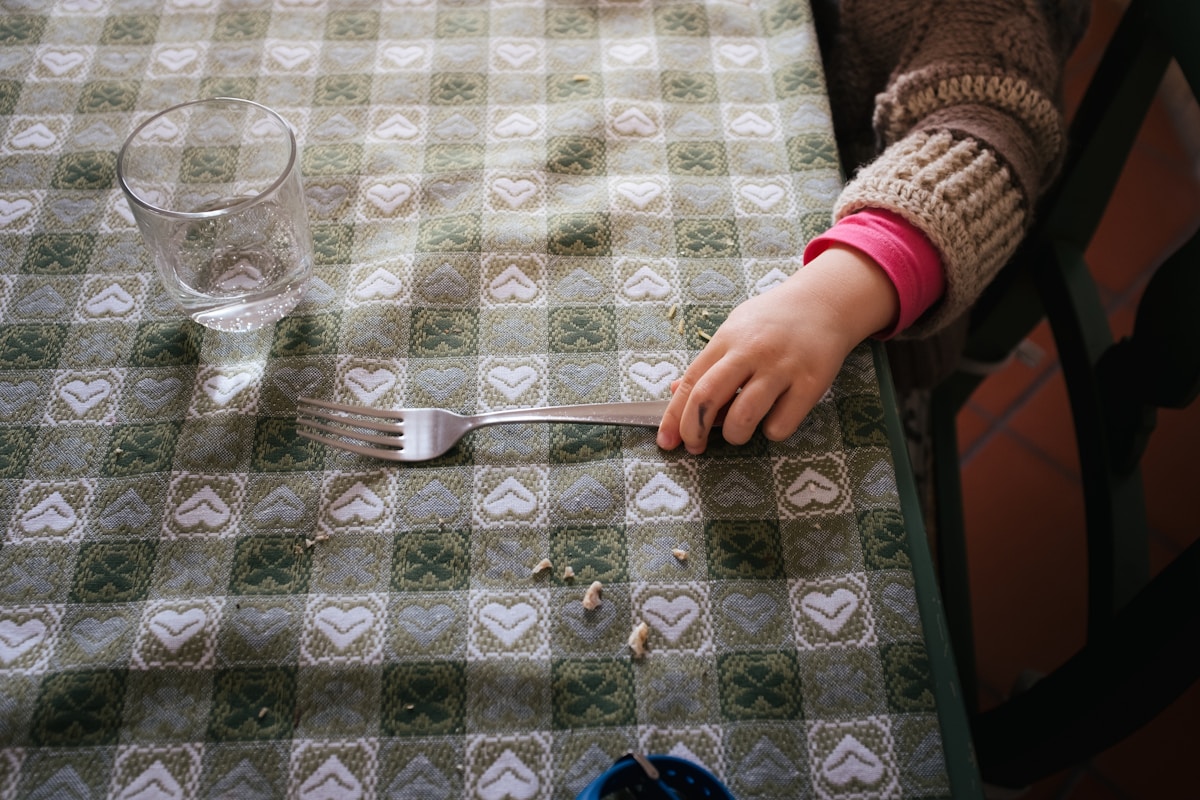
You know the scene. You’ve just pulled a steaming bowl of oatmeal from the microwave, perfectly creamy and sweetened with a touch of maple syrup. Your one-year-old is already in the high chair, hands slapping the tray, little mouth open. You blow on a spoonful, test it on your wrist, and offer it. The second it touches those tiny lips — wails. Full-blown, drool-and-tears meltdown. The oatmeal is still too hot. (I’ve been there, apron and all.)
It’s not just oatmeal. Soup, pasta, mashed veggies — any hot food can trigger that desperate cry. The problem isn’t your cooking; it’s the gap between what’s safe to eat and what’s comfortable for a toddler’s sensitive mouth. The good news: you can bridge that gap in under two minutes with a few clever tricks. Let me walk you through them.
Why Your Toddler’s Patience (and Palate) Runs Cold
Toddlers operate on their own timeline. When they’re hungry, they want food now. But beyond the impatience, there’s real physiology at play. Adults comfortably eat food around 130-160°F (54-71°C), but a toddler’s mouth and esophagus are far more sensitive. Their ideal food temperature is close to body temperature — roughly 98-100°F (36-38°C). Anything above 110°F (43°C) can feel burning, and above 120°F (49°C) risks actual injury. The USDA’s “Danger Zone” for bacterial growth is 40-140°F (4-60°C), but we’re more concerned about comfort here. Your goal is to get that food from steaming hot to “just right” in under two minutes, ideally. (And if you’re thinking “that’s impossible,” keep reading.)
I remember my own daughter, at twelve months, would take one bite of still-warm carrot puree and then clamp her mouth shut like a tiny turtle. It took me weeks to realize I wasn’t cooling it enough. Once I got the temperature right, she went from picky to polished-off-the-bowl in seconds.
The Speedy Cooling Toolkit
Here are the methods that have saved countless breakfasts in my kitchen. Each works best for different foods, so mix and match based on what you’re serving.
1. The Plate Spread (For oatmeal, mashed potatoes, creamy soups) Spreading hot food across a large ceramic plate increases surface area dramatically. In about 30-60 seconds, it cools from 160°F to around 110°F. Then stir and test. (Use a dinner plate, not a bowl, and watch for drips if your toddler is grabby.)
2. The Ice Water Bath (For soups, pasta with sauce, purees) Fill a larger bowl with ice and cold water, then nest the hot bowl inside. Stir the food gently. The cold metal bowl conducts heat away rapidly. You can see the steam disappear in under a minute. Use a stainless steel bowl for best results — Pyrex works too, but metal is faster. If you have a metal mixing bowl, that’s your best friend.
3. Frozen Cubes of Broth or Milk (A true game-changer) Pre-freeze unsalted broth or breastmilk (or whole milk for older toddlers) in ice cube trays. Pop one or two into the hot soup or oatmeal and stir. It cools instantly without diluting flavor because the frozen cube is essentially concentrated liquid. I keep a bag in the freezer labeled “Toddler Cooling Cubes.” (This tip came from a Reddit thread in r/NewParents — thank you, anonymous parent.) For sweet dishes, you can freeze pureed fruit like applesauce in cubes.
4. The Fan Trick (But Not Your Breath) Blowing on food is a reflex, but it also spreads germs. Instead, set a small desk fan to blow across the bowl. The moving air accelerates evaporation and cooling. Just don’t point it directly at your child. (And wash the fan blades occasionally — they collect dust.) This works particularly well for foods with high surface area, like a shallow bowl of puree.
5. Metal vs. Plastic Bowls Metal bowls cool food faster than plastic or ceramic because metal conducts heat. If you’re serving directly, use a small metal bowl or cup. For very hot foods, pre-chill a metal bowl in the fridge for a minute. The difference is dramatic — you’ll cut cooling time by half.
6. The Cold Spoon Trick Keep a few metal spoons in the freezer. Plunge one into the hot food and stir. The cold metal acts like a mini heat sink. Swap spoons as they warm up. (Yes, it’s a bit fiddly, but it works in a pinch.)
Safe Temperature Testing
Don’t rely on your finger or a guess. Use an instant-read thermometer (I love my ThermoPop from ThermoWorks, about $35 USD). The target for serving is 98-100°F (36-38°C). If you don’t have a thermometer, test a small dab on the inside of your wrist. It should feel neutral — not warm, not cool. (Your lips are more sensitive; some parents test on their lips, but that’s not ideal for hygiene.) Also, always stir thoroughly before testing because microwaves can create hot spots.
Avoiding Common Mistakes
- Microwaving unevenly: Always stir microwaved food well before cooling. Hot spots can hide in the center.
- Adding cold water or milk directly: While it cools, it dilutes flavor and nutritional content. Use frozen cubes instead.
- Blowing with your mouth: Besides germs, it’s not very effective for thick foods. Use a fan or plate spread.
- Leaving hot food unattended: A toddler might grab a bowl and spill it. Always keep hot food out of reach until it’s tested.
Putting It All Together: A Real Example
Let’s say you’ve made creamy chicken noodle soup. Your toddler is crying. Here’s your 90-second plan:
- Ladle the soup into a metal bowl.
- Place the bowl in an ice water bath.
- Add one frozen broth cube and stir vigorously.
- After 45 seconds, test with thermometer.
- If it’s at 100°F, serve. If not, stir for 15 more seconds and test again.
- Meanwhile, distract your toddler with a spoon or a song. (This is the hardest part.)
When All Else Fails: Meal Prep
If meltdowns over temperature are a daily occurrence, consider making “pre-cooled” food. Cook a batch of oatmeal, let it cool completely in the fridge, then portion it into single servings. Reheat just enough to take the chill off — 15 seconds in the microwave — and it’s ready in a flash. (Your future self will thank you.) The same works for purees: freeze them in ice cube trays, then thaw and gently warm in a bowl of warm water.
The Science in Simple Terms
Heat moves from hot to cold. To cool food fast, you want maximum contact with something cold. That’s why spreading it thin, using metal bowls, and adding frozen cubes work. The USDA recommends cooling hot foods to below 40°F within two hours for safety, but for immediate feeding you just need to bring it down to comfortable. (And remember, toddlers have tiny mouths — what feels lukewarm to you can feel hot to them.)
You’ve Got This
Remember, every spill and every scream is just a step toward becoming a more patient cook and parent. The kitchen is where we learn together. So next time your toddler rejects a spoonful of soup, don’t panic. You have a toolbox of tricks: metal bowls, ice baths, frozen cubes, and fans. And when they finally take that first happy, warm (but not too warm) bite, you’ll both smile. (Probably with oatmeal on your shirt, but that’s the joy of it.)
Happy cooking, and may your cooling cubes always be ready.


