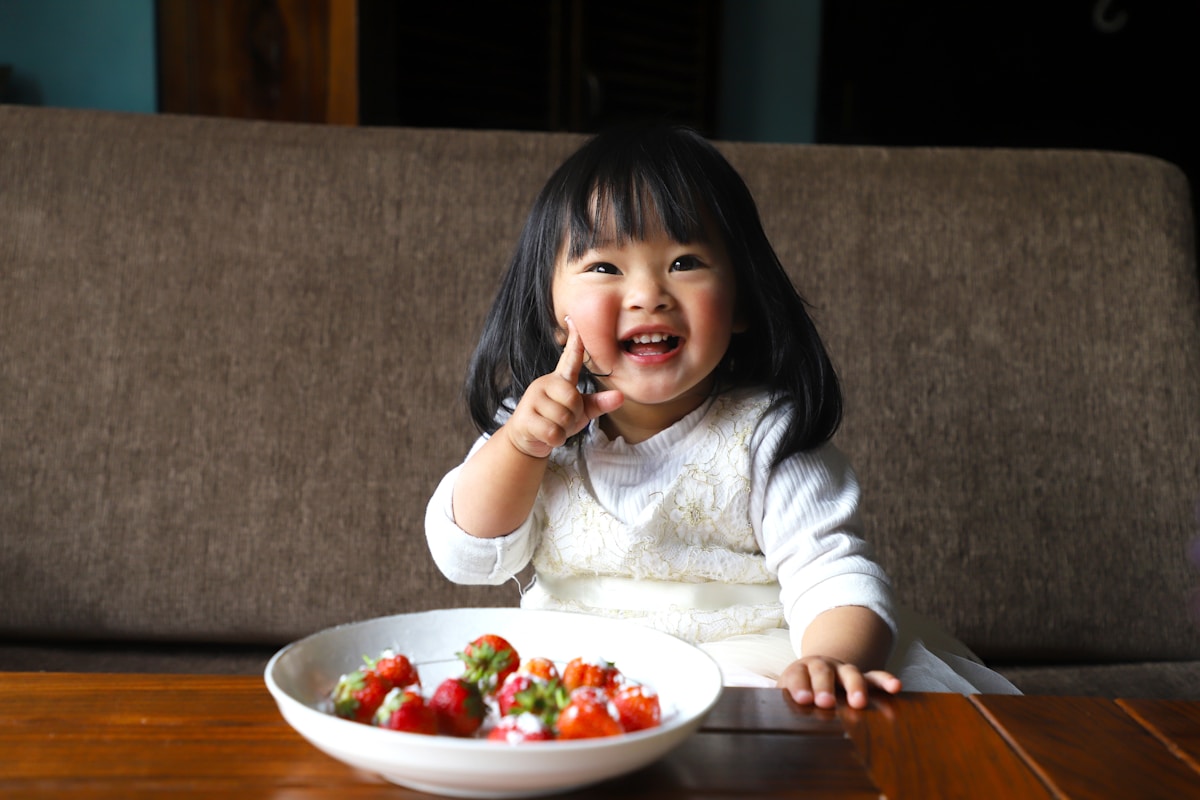
Oh, the dreaded toddler mealtime standoff. You’ve prepared a perfectly lovely lunch. The sandwich has their favorite filling, the crusts are dutifully removed, the fruit is sliced just so. You place it on their favorite colorful plate, and it’s met with a tiny, powerful glare and a firmly pushed-away plate.
We’ve all been there. That moment of pure frustration when a perfectly good meal is rejected for reasons unknown. I’ve heard this story a thousand times in my kitchen, and I’ve certainly lived it with my own little ones. It can feel like you’ve done something wrong, but I’m here to tell you a little secret: you haven’t. You’re just speaking a different language.
Your toddler isn’t fluent in the language of nutrition or “but it’s good for you!” They are native speakers in the language of fun, independence, and, yes, dinosaurs. And the wonderful news is that we can learn to speak that language, too, right in our own kitchens.
Why Your Toddler Cares More About Dinosaurs Than Dinner
First things first, let’s get inside that wonderful, chaotic, and developing little mind. When a toddler refuses food, it’s rarely about the food itself. It’s about one of the most powerful drives they have: the need for control.
Think about it. Their entire day is largely dictated by others—when they wake up, what they wear, where they go. The dinner table is one of the few places where they can exert some serious authority. Saying “no” to that chicken is their way of saying, “I am in charge of me!” It’s a normal, healthy, and (I admit) utterly maddening part of their development.
So, what do we do? We can’t force them to eat, as that only creates a power struggle and negative feelings around food. Instead, we can change the game entirely. By making food visually fun and engaging, we shift the dynamic from a battle of wills to a delightful invitation to play. A star-shaped piece of cheese isn’t just cheese; it’s a magic star! A broccoli floret isn’t a scary green vegetable; it’s a tiny tree for a toy dinosaur to hide behind. You’re not tricking them; you’re meeting them on their own turf and making the healthy choice the fun choice.
Your New Best Friend The Humble Cookie Cutter
If you’re going to have one secret weapon in your picky-eater arsenal, let it be a decent set of cookie cutters. They are inexpensive, easy to store, and can transform the most mundane foods into something special. I recommend having a set of both metal and plastic cutters. Metal ones from brands like Ann Clark are fantastic for getting a clean cut through sandwiches, while sturdy plastic sets are safer for little hands to help with.
So, what can you turn into a star, a heart, or a T-Rex?
- Sandwiches: The classic! Use soft bread, like a simple white or whole wheat sandwich loaf. Press the cutter down firmly before you add the second slice of bread for the cleanest cut.
- Cheese Slices: Provolone, mild cheddar, or Colby Jack work beautifully. They are firm enough to hold a shape but soft enough to be toddler-friendly.
- Sliced Melon: Watermelon, cantaloupe, and honeydew are perfect. Slice the melon about a half-inch thick, lay it flat, and press away.
- Pancakes and Waffles: Make your regular weekend pancakes and then cut them into fun shapes before serving. A stack of star-shaped pancakes with a few berries is pure magic.
- Quesadillas: Make a simple cheese quesadilla, let it cool for a minute, and then use your cutters. The melted cheese helps hold everything together.
- Baked Sweet Potato Slices: Thinly slice a sweet potato, brush with a tiny bit of olive oil, and bake at 400°F (200°C) for about 15-20 minutes, until tender. Let them cool, and they become a soft, nutritious canvas for your cutters.
Now, you might be looking at the scraps of bread and cheese and thinking about waste. And that brings me to my favorite kitchen hack: The Scrap Smoothie Bag. Keep a resealable bag in your freezer labeled “Smoothie Scraps.” All those bread crusts, fruit bits, and cheese ends go right in. When the bag is full, dump it all in a blender with a scoop of yogurt or a splash of milk. You get a nutritious, delicious smoothie, and absolutely nothing goes to waste. (Your future self will thank you for this one.)
Beyond the Cutter Creating Edible Scenes
Cookie cutters are just the beginning! Once you start thinking visually, the possibilities are endless. The entire plate can become a canvas for a little edible art project. It doesn’t have to be complicated—in fact, simple is often best.
Here are a few ideas to get you started:
-
Smiley Face Toast: This is a five-minute masterpiece. A piece of toast becomes the face. A spread of cream cheese, avocado, or sunflower seed butter is the base. Two blueberries make the eyes, and a thin slice of strawberry or raspberry creates a happy smile. Simple, fast, and almost always gets a grin in return.
-
The Broccoli Forest: A true game-changer for green vegetables. Lightly steam some broccoli florets until they are tender-crisp. Arrange them on the plate like a small forest. You can put a little mound of hummus, mashed potatoes, or even some brown rice at the base to help them stand up. If you have a dinosaur-shaped chicken nugget, let it roam through the “trees.” You’ve just created a story, and your child gets to be the hero who eats the forest!
-
Ants on a Log: This one is a classic for a reason. It’s a snack, a craft, and a story all in one. Take a stick of celery, fill the groove with peanut butter, cream cheese, or a dairy-free alternative, and let your toddler place raisin “ants” along the top. It’s crunchy, creamy, and gives them a fun task to complete before they eat.
-
Rainbow Fruit Skewers: Eating food off a stick is just inherently fun. And making a rainbow is a great way to introduce a variety of fruits. Use kid-safe skewers (blunt-ended wooden ones or sturdy lollipop sticks work well) and thread on fruits by color: strawberries for red, cantaloupe for orange, pineapple for yellow, kiwi or green grapes for green, and blueberries or blackberries for blue/purple. It’s a feast for the eyes before it even reaches their lips.
Let Them Play Turning Meal Prep into an Activity
The ultimate way to get a child interested in their food is to let them help make it. This taps right back into that need for autonomy and control we talked about. When they have ownership over the meal, they are infinitely more likely to try it.
Of course, this needs to be age-appropriate and safe. But even the littlest toddlers can participate:
- Washing: Give them a bowl of water and some sturdy vegetables, like bell peppers or carrots, and let them splash and scrub.
- Stirring: They can stir pancake batter (with your help holding the bowl!) or mix together a simple fruit salad.
- Assembling: Let them be the ones to press the cookie cutter into the sandwich. Let them place the blueberry eyes on the smiley face toast. Their fine motor skills get a workout, and they feel an immense sense of pride.
As they get a little older, you can introduce them to kid-safe nylon knives, like the sets from Curious Chef, to slice soft foods like bananas or strawberries. The look on their face when they realize they’ve helped prepare a real part of the meal is absolutely priceless. Yes, it will be messy. There will probably be flour on the floor and yogurt in their hair. But the mess is temporary; the positive food memories you’re building will last a lifetime.
Keeping It Real A Parent’s Guide to Food Play
I can hear you now. “Beatrice, this sounds lovely, but who has time to build a broccoli forest on a busy Tuesday night?” I hear you. I completely understand.
The goal here is not to create a Pinterest-perfect meal every single time you sit down to eat. That would lead to burnout for you and unrealistic expectations for them. The key is to start small and keep it low-pressure.
Don’t try to do this for every meal. Pick one meal a day—maybe lunch, which is often less rushed than dinner—or one day a week. Perhaps you institute “Fun Food Friday,” where you always cut the sandwiches into shapes or make a smiley face on the oatmeal. This makes it a special, manageable tradition rather than a daily chore.
Remember, the goal is positive exposure and reducing stress. If your child only touches the broccoli tree, that’s a win. If they lick the peanut butter off the celery and leave the rest, that’s okay too. We are playing the long game here, building a foundation of curiosity and joy around food. A lopsided star is still a star, and the love you put into it is the most important ingredient of all.
So next time you’re facing a mealtime standoff, take a deep breath. Put down the fork, pick up a cookie cutter, and invite your little one to play. You’re not just making lunch; you’re making a memory. And that, my friends, is what the family kitchen is all about.