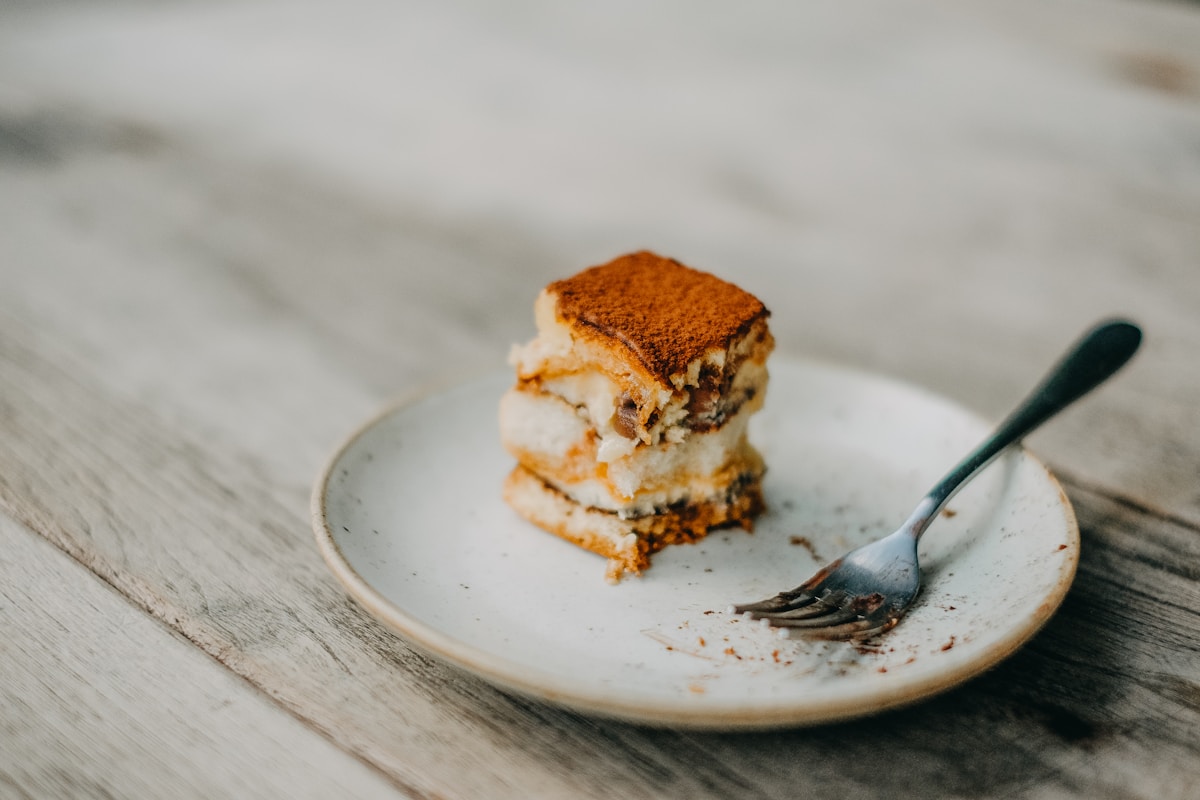
You have probably seen that viral mango tres leches cake from Reddit: a humble vanilla sponge drenched in a mango-flecked milky mixture, crowned with clouds of whipped cream. It looks like a tropical dream, but if you try it at home, you might hit a soggy disaster. The thrill of tres leches is that it is almost impossible to mess up — until you start adding fruit puree. Let me walk you through the exact science and technique so your mango version stays a showstopper, not a puddle.
Why Tres Leches Is Ideal for Beginners (and Why Mango Changes Everything)
Traditional tres leches cake relies on a porous sponge that acts like a thirsty sponge (pun intended). The sponge is usually a butter-free genoise or a simple vanilla cake, baked until dry and slightly cracked. That dryness is key: it lets the three milks — evaporated milk, sweetened condensed milk, and heavy cream — soak in without turning the cake into mush. The result is a luxuriously moist, dense cake that holds its shape because the sponge structure remains intact.
When you add mango puree, you introduce two game changers: extra liquid and fruit solids. The puree is not just water; it contains fiber and pectin that can interfere with the milk absorption. Chef Brian Lagerstrom, known for his meticulous baking breakdowns, has pointed out that fruit purees increase the total liquid volume while also changing the density of the soaking mixture. If you simply swap out some of the milk for equal amounts of puree, your cake might come out too wet in some spots and too dry in others. The fix is to reduce the overall soaking liquid and to compensate for the puree’s thickness.
The Right Ratio: Adjusting Milk Amounts for Mango Puree
Start with your favorite vanilla sponge recipe. I usually use a 9x13 inch pan and bake at 350°F (177°C) for 25 to 30 minutes, until a toothpick comes out clean. Let it cool completely — warm cake will disintegrate under the liquid. For the classic tres leches mixture, combine one 12-ounce can of evaporated milk, one 14-ounce can of sweetened condensed milk, and one cup (240 ml) of heavy cream. Whisk until smooth.
Now, for the mango version: you will add 3/4 cup (180 ml) of fresh mango puree (or high-quality canned puree, like Goya or Boiron). To keep the total liquid in balance, remove about 1/2 cup (120 ml) of the heavy cream and 1/4 cup (60 ml) of the evaporated milk from the original mixture. This way, the puree adds about 3/4 cup of liquid, but you are only reducing the milk by 3/4 cup total, so the weight and absorption remain similar. Always whisk the puree into the milk mixture until fully smooth. The resulting mixture should be thick, opaque, and slightly orange.
Pouring and Soaking: The Slow Method
Do not dump all the liquid at once. Poke holes all over the cooled cake with a skewer or fork — about 40 to 50 holes. Then, using a ladle, pour the mango-milk mixture slowly, a few tablespoons at a time, over the entire surface. Let each addition soak in before adding more. This prevents pooling and ensures even absorption. You might not use all of the liquid; stop when the cake looks saturated but there is no standing liquid on top. A properly soaked cake will feel heavy and jiggly but will not release milk when you press it gently.
Chilling: The Secret to Flavor and Structure
This is where patience pays off. Cover the cake with plastic wrap directly on the surface (to prevent a skin from forming) and refrigerate for at least 6 hours, but overnight is best. The r/Baking community raves about the overnight chill for a reason: the cold temperature solidifies the fats in the cream, the sponge fully hydrates, and the mango flavor melds with the milks. If you slice too soon, the cake will slide apart. At 6 hours, it is stable; at 12 hours, it is a dream.
Topping and Garnishing Without Tears
Whip one cup (240 ml) of heavy cream with two tablespoons of powdered sugar and a teaspoon of vanilla extract until soft peaks form. This is your cloud. Spread it gently over the chilled cake. For the mango garnish, dice fresh mango into small cubes (1/4 inch) and toss them in a little sugar and lime juice to keep them bright. Arrange them in a spiral or scatter artfully. Avoid placing garnishes too early — they release juice and can make the cream weep. Add them just before serving.
Troubleshooting Common Issues
My cake turned into soup. You probably used too much liquid or didn’t reduce the original milk amounts. Next time, reduce by 1/2 cup total, and pour slowly. Let the cake chill longer to firm up.
The cake is dry in some spots. The puree may have settled at the bottom of the bowl. Whisk the mixture again before each pour. Also, poke more holes — at least 60 for a 9x13.
The mango flavor is weak. Use very ripe, fragrant mangoes. If using canned puree, add a tablespoon of mango nectar or a pinch of citric acid to boost brightness.
The whipped cream slides off. Make sure the cake is fully chilled. If the room is warm, stabilize the cream with a quarter teaspoon of gelatin (bloomed and melted). Whip until stiff peaks, not soft.
A Final Word on Adapting Flavors
Tres leches is a canvas. Once you master the mango version, try swapping in passion fruit puree, guava, or even strawberry. The principle is always the same: reduce the total liquid by the volume of puree you add, and consider the fruit’s water content. A thin puree (like watermelon) needs even more reduction; a thick puree (like banana) may need less. Always taste the soaking mixture — it should be sweet but balanced. If it tastes too sweet, add a pinch of salt.
Baking is chemistry you can eat, and mango tres leches is a delicious experiment. With a few careful adjustments, you can turn a classic into a tropical showstopper that will wow any crowd. And the best part? Even if it is not perfect, it will still taste amazing. (Your future self will thank you for that overnight chill.)