You’re standing in the kitchen, a carton of eggs in one hand and a block of mascarpone in the other, wondering if you’ve finally bitten off more than you can chew. Tiramisu sounds so elegant, so Italian, so impossibly refined. But here’s the truth that the r/Baking community has been shouting from the rooftops: tiramisu is one of the easiest impressive desserts you will ever make. No oven required, no complicated techniques, just a little patience and a few simple steps. Let me walk you through it so you can serve up a showstopper on your very first try.
Why Tiramisu Is Perfect for Beginners
Tiramisu is a no-bake dessert made by layering coffee-soaked ladyfingers with a light, creamy mixture of mascarpone, eggs, and sugar. That’s it. No tempering chocolate, no rolling dough, no worrying about oven temperatures. The hardest part is waiting for it to chill in the fridge (and resisting the urge to dig in early). The r/Baking community agrees: it’s forgiving, it’s elegant, and it always impresses guests. One first-timer even posted that they were surprised by how simple the process was, only needing a deeper dish for more cream. So if you’ve been scared of making tiramisu, take a deep breath. You’ve got this.
The Core Ingredients: What You’ll Need
Before we dive into the method, let’s talk ingredients. Quality matters here because the flavors are simple and direct. You’ll need:
- 6 large eggs, at room temperature (about 68°F or 20°C). Room-temp eggs whip up higher and create a silkier cream. Take them out of the fridge 30 minutes before starting.
- 1 cup (200g) granulated sugar (divided into 2/3 cup and 1/3 cup).
- 16 ounces (450g) mascarpone cheese – look for Galbani or BelGioioso brands. Do not substitute cream cheese.
- 2 cups (480ml) strong brewed coffee, cooled to room temperature. Use espresso if possible, but strong drip coffee works too.
- 3 tablespoons dark rum or Marsala wine (optional, but traditional). You can skip it or use vanilla extract for a non-alcoholic version.
- About 7 ounces (200g) ladyfinger cookies – the Italian savoiardi kind, like the ones from Savoiardi brand or the store brand. They are light, dry, and perfect for soaking.
- Unsweetened cocoa powder, for dusting.
Step-by-Step: Building Your First Tiramisu
Let’s break this into manageable pieces. You can do this in less than 30 minutes of active prep time. The rest is fridge time.
1. Make the coffee soak. Brew 2 cups of strong coffee and let it cool completely. If you’re adding rum or Marsala, stir it into the coffee now. Set aside in a shallow dish wide enough for a ladyfinger to lie flat.
2. Whip the egg yolks and sugar. Separate the eggs. Put the yolks in a large bowl (save the whites for the next step). Add 2/3 cup of sugar. Beat with a hand mixer or whisk on high speed until the mixture is thick, pale yellow, and falls in ribbons when you lift the beaters – about 3-4 minutes. This is called the “ribbon stage” and it’s your sign that the yolks have enough air. (Tip: if you don’t have a mixer, a whisk and some elbow grease work too, but it’ll take a bit longer.)
3. Add the mascarpone. Add the mascarpone cheese to the yolk mixture. Beat on low speed just until combined and smooth. Do not over-mix or the cream may become grainy. You want a thick, fluffy mixture. Set aside.
4. Whip the egg whites. Using clean beaters and a separate bowl (glass or metal is best – avoid plastic), beat the egg whites with a pinch of salt until soft peaks form. Then slowly add the remaining 1/3 cup of sugar while continuing to beat until stiff peaks form – meaning the whites stand upright when you lift the beaters. This takes about 5 minutes with a mixer. (Kitchen hack: if you’re nervous about raw eggs, you can use pasteurized egg whites from a carton. They whip just as well.)
5. Fold the whites into the mascarpone mixture. Gently fold about one-third of the whipped whites into the mascarpone mixture until almost combined. Then fold in the rest, using a spatula and a light hand. You want to keep as much air as possible – think of it like gently swirling in clouds. The final cream should be light and fluffy.
6. Assemble the layers. Get your 9x13-inch dish (a standard baking dish works perfectly). Quickly dip each ladyfinger into the coffee – one side, then the other. Do not let them soak! A quick one- to two-second dip per side is enough. If you leave them in longer, they’ll turn into a mushy disaster. (Trust me on this one – I’ve learned the hard way.) Arrange the soaked ladyfingers in a single layer at the bottom of the dish, breaking a few if needed to fill gaps.
Spread half of the mascarpone cream evenly over the ladyfingers. Repeat with another layer of dipped ladyfingers and then the remaining cream. Smooth the top with a spatula.
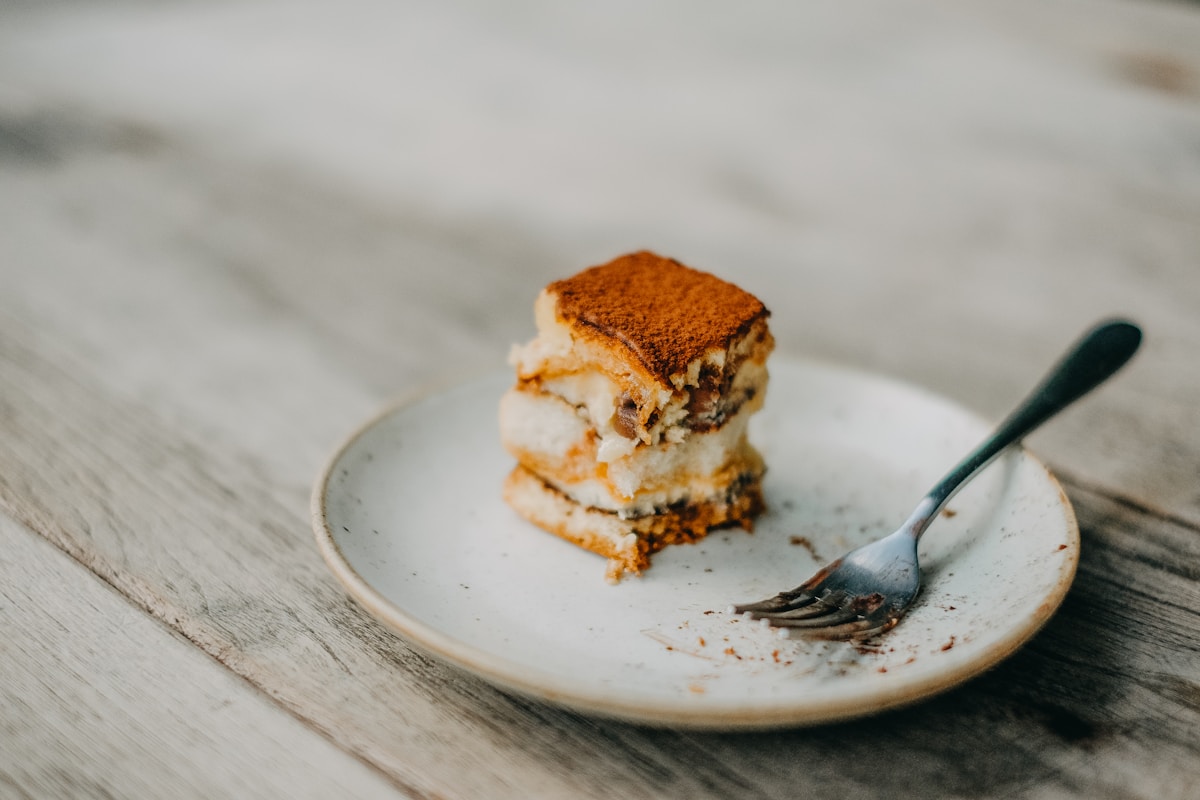
7. Chill and dust. Cover the dish with plastic wrap and refrigerate for at least 4 hours, but overnight is better. The chilling allows the flavors to meld and the ladyfingers to soften into cake-like perfection. Just before serving, dust the top generously with unsweetened cocoa powder using a fine-mesh sieve. (Your future self will thank you for the patience.)
Common Beginner Mistakes (And How to Avoid Them)
Even though tiramisu is forgiving, a few pitfalls can trip you up. Here’s what to watch for:
- Over-soaking the ladyfingers. This is the number one mistake. A quick dip is all they need. They’ll continue to absorb moisture from the cream as they chill. If you see them getting soggy during assembly, you’ve dipped too long. Next time, dip faster.
- Using cold eggs. Cold eggs don’t whip nicely. Take them out ahead of time. If you forget, put them in a bowl of warm water (not hot) for 10 minutes.
- Not folding gently. If you stir the egg whites into the mascarpone aggressively, you’ll deflate the air and end up with a dense cream. Fold slowly and carefully.
- Skipping the chill time. Tiramisu needs time to set. At least 4 hours, but 8 is better. Overnight gives you the perfect sliceable texture.
- Using weak coffee. The coffee flavor is prominent, so use strong brew. If you don’t have espresso, make a double-strength pot of drip coffee.
Why Fresh Mascarpone and Strong Coffee Matter
The r/Baking community strongly emphasized using fresh mascarpone and strong coffee. Mascarpone has a delicate, milky sweetness that can be overpowered if it’s old or low-quality. Look for a brand that’s fresh and has a smooth, spreadable texture. For coffee, avoid anything that’s been sitting around for hours. Fresh-brewed, strong, and slightly warm (but not hot) is ideal. The coffee-soaked ladyfingers provide the backbone of flavor, so don’t skimp here.
Also, if you’re new to working with eggs, you might worry about food safety. Using pasteurized eggs (look for the word on the carton) reduces any salmonella risk, but the alcohol in the rum or Marsala also helps. For a family-friendly version, simply use vanilla extract and pasteurized eggs.
Equipment You’ll Need (No Fancy Stuff)
You probably already have everything you need: a 9x13-inch baking dish, a large mixing bowl, a hand mixer or whisk, a rubber spatula, and a shallow dish for the coffee. A fine-mesh sieve is helpful for dusting cocoa, but you can also use a tea strainer or even shake cocoa powder through a paper towel with small holes. (Yes, really. I’ve done it.)
Try This Tonight: A Simple No-Fail Tiramisu
If you’re itching to make your first tiramisu, here’s a quick checklist you can follow:
- Bring your eggs to room temperature.
- Brew strong coffee and let it cool.
- Separate the eggs and beat yolks with 2/3 cup sugar until thick.
- Beat in the mascarpone until smooth.
- In a separate bowl, whip egg whites and remaining 1/3 cup sugar to stiff peaks.
- Fold whites into mascarpone mixture.
- Dip ladyfingers quickly in coffee and layer in dish.
- Alternate layers ending with cream.
- Refrigerate for at least 4 hours, preferably overnight.
- Dust with cocoa right before serving.
That’s it. You’ve just made a dessert that looks and tastes like it came from a fancy Italian café. The best part? You can tweak it endlessly – add a layer of chocolate shavings, swap in Bailey’s for the rum, or top with whipped cream. But for your first time, stick to the classic. It’s forgiving, it’s delicious, and it builds your confidence for whatever you want to tackle next. Your guests will be amazed, and you’ll wonder why you ever thought it was hard. Welcome to the joy of no-bake baking.