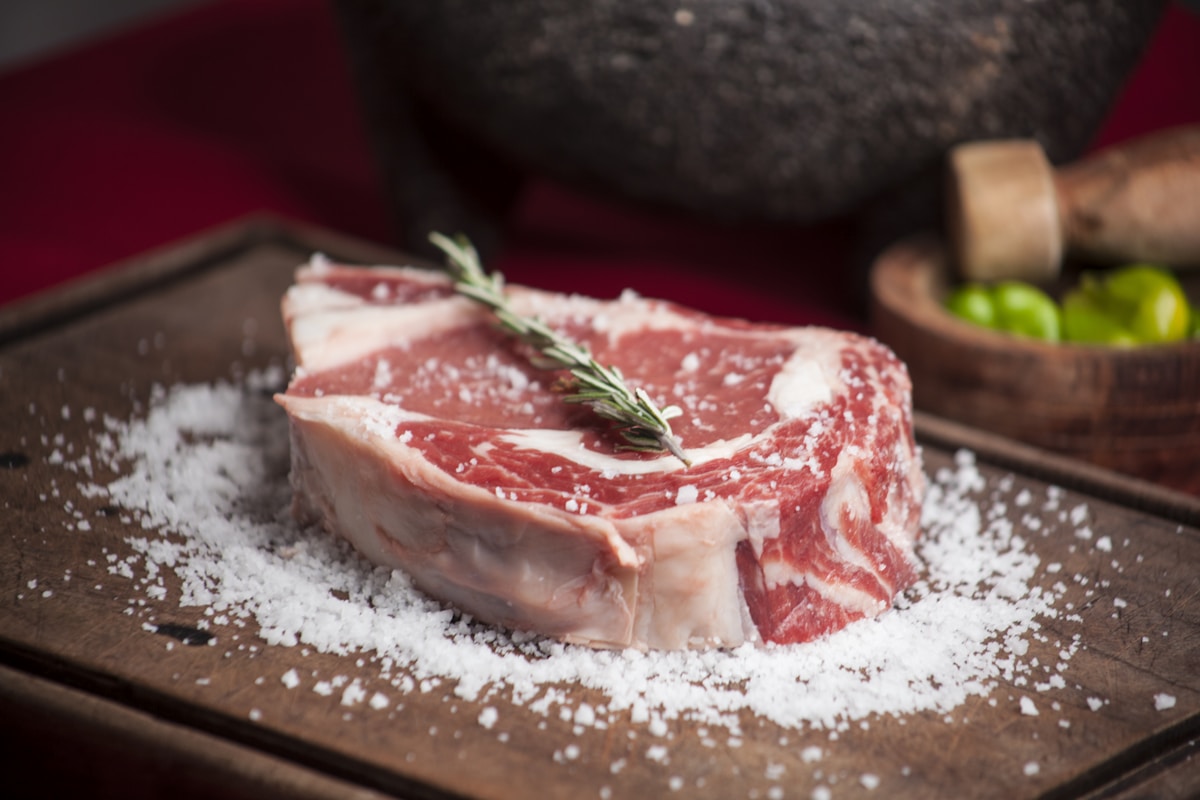
You’ve seen it. That dramatic, final flourish in a cooking video or a fancy restaurant. The chef, from a height, raining down a pinch of glistening, paper-thin crystals onto a perfectly seared steak or a vibrant tomato salad. That, my friends, is finishing salt, and the most famous of them all is Maldon.
It’s easy to look at that little black box with its premium price tag and wonder, “Is this really any different from the big box of kosher salt I have in my pantry?” It’s a fair question. In a world of expensive kitchen gadgets and gourmet ingredients, it pays to be skeptical. Is it all just marketing, or is there a real, functional difference that makes it worth your hard-earned cash?
As someone who has seasoned thousands of dishes, I can tell you definitively: they are not the same. Not even close. Using them interchangeably is one of the most common (and costly) mistakes a home cook can make. Let’s break down the two essential salts every kitchen needs, when to use them, and how to get the most value out of each.
The Workhorse: Understanding Kosher Salt
Before we talk about the showstopper, we have to respect the foundation. Kosher salt is the single most important seasoning tool in your kitchen, period. If you’re still using fine-grained iodized table salt from a cylindrical shaker for your general cooking, upgrading to kosher salt is the biggest and cheapest improvement you can make to your food.
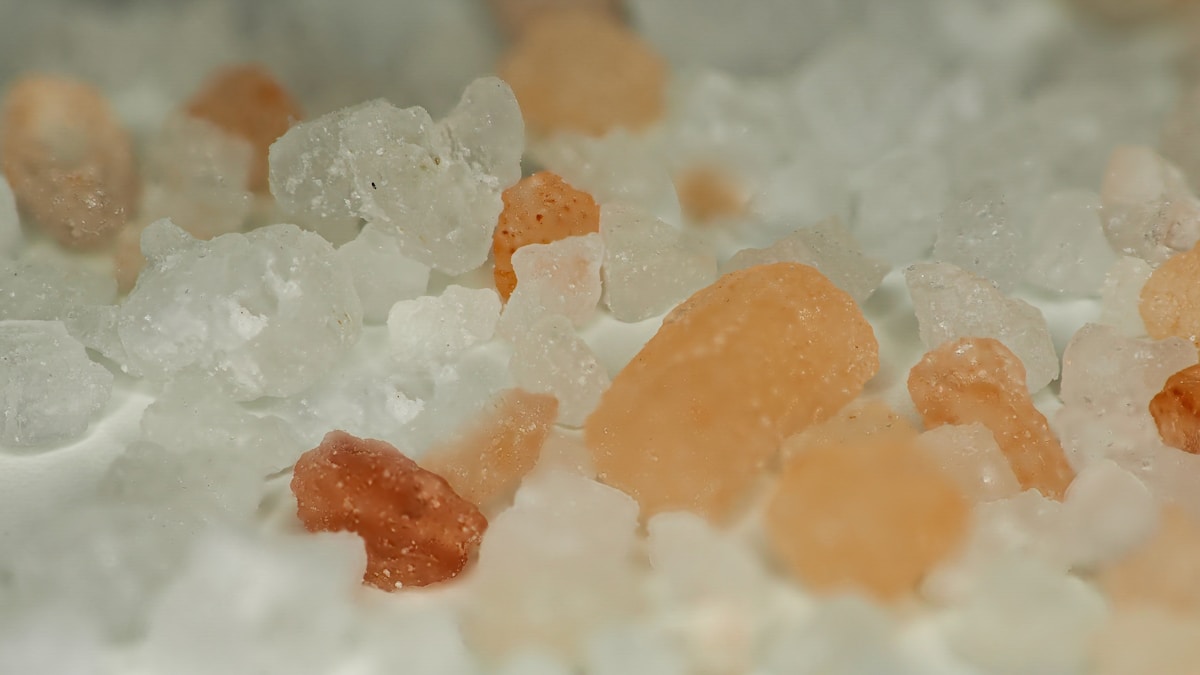
Its name has nothing to do with the salt itself being kosher, but rather its use in the koshering process for meat, thanks to its large, coarse grain structure. This very structure is what makes it a cook’s best friend. There are two main players in the kosher salt game:
- Diamond Crystal (The Red Box): This is the one most professional chefs swear by. Its crystals are formed in a unique, hollow, multifaceted shape. This means it’s less dense, less “salty” by volume, and it dissolves quickly and cleanly. Its light, flaky texture is incredibly easy to pinch and sprinkle accurately. You get a better feel for how much you’re using.
- Morton Kosher Salt (The Blue Box): This salt is made by rolling cubic crystals into flat flakes. It’s significantly denser than Diamond Crystal. A teaspoon of Morton is much saltier than a teaspoon of Diamond Crystal. It works perfectly well, but you need to be more careful with your measurements, and it can be a bit harder to control when seasoning by hand.
Why it’s essential: Kosher salt is your during cooking salt. You use it for seasoning pasta water, brining a chicken, tossing with vegetables before they hit the 400°F (205°C) oven, and mixing into burger patties. Its coarse grains stick to food surfaces better than fine table salt, and it dissolves in a way that seasons food from within. It is an inexpensive, versatile, indispensable tool.
The Showstopper: What Makes Maldon Salt Special
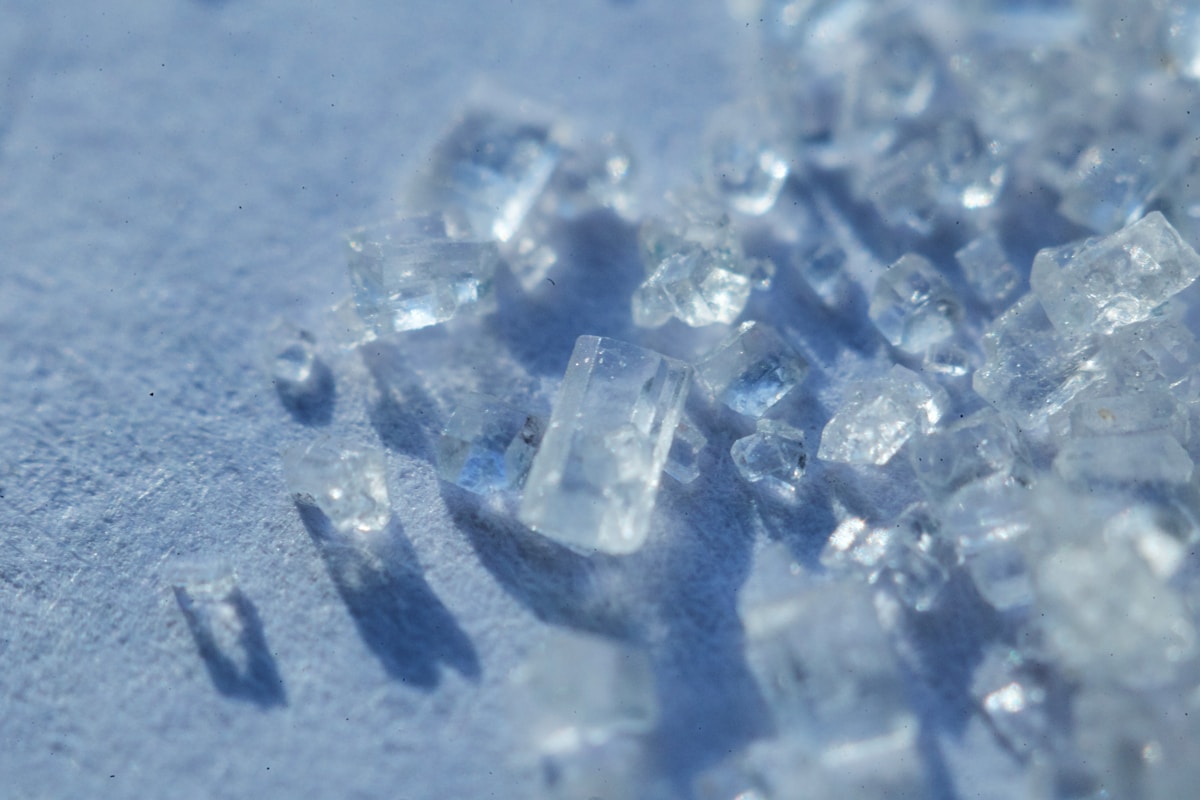
Now, let’s open that elegant black box of Maldon Sea Salt. The first thing you’ll notice is the shape. These aren’t jagged pebbles or tiny cubes. They are stunning, broad, paper-thin pyramid-shaped crystals. They are hollow and incredibly delicate. This is not a product of chance; it’s the result of a centuries-old harvesting process from the coastal town of Maldon in Essex, England, where seawater is carefully evaporated to encourage this unique crystal formation.
This shape is everything. It is the entire reason Maldon exists and commands a higher price.
Its singular purpose is texture.
When you bite into a Maldon crystal, it doesn’t just taste salty. It crunches. It collapses with a satisfying little pop, delivering a clean, bright burst of salinity that awakens the food it’s sitting on. It provides a textural contrast that elevates the entire eating experience. It’s a garnish in the truest sense of the word — it adds a final layer of flavor and feel just before the food hits your mouth.
Using Maldon during cooking is a complete waste. If you throw these beautiful, delicate crystals into your soup or boiling pasta water, they will simply dissolve. You will have paid five times the price for saltiness you could have gotten from your trusty box of kosher salt, and you’ll have erased the one thing that makes Maldon special: its crunch.
Head-to-Head: When to Use Which Salt
This is where the practical knowledge comes in. Think of it like having two different tools in a toolbox. You wouldn’t use a delicate finishing hammer to drive a framing nail. The same principle applies here.
Reach for your KOSHER SALT when:
- Boiling Water: For pasta, potatoes, or blanching vegetables. You need a lot of salt to properly season the water, and kosher salt is economical.
- Brining and Curing: For meats like turkey, chicken, or pork. The salt needs to dissolve into a solution to penetrate the meat.
- Seasoning From Within: When making meatballs, meatloaf, burger patties, or doughs. The salt will be mixed in and needs to dissolve evenly throughout.
- General Roasting and Sautéing: When you toss vegetables or meat with oil and seasoning before cooking. The salt will adhere to the surface and help draw out moisture for better browning.
Reach for your MALDON SEA SALT when:
- Finishing Grilled Meats: A sprinkle over a sliced steak or a pork chop just after it rests is a classic, perfect use.
- Elevating Salads and Vegetables: A pinch over a simple tomato and mozzarella salad, steamed asparagus, or a piece of avocado toast adds texture and a final flavor pop.
- On Top of Baked Goods: This is my favorite kitchen hack. A few flakes on top of warm chocolate chip cookies, a fudgy brownie, or a salted caramel pot de crème is transformative. The crunch and salt cut through the sweetness in the most incredible way.
- Topping a Plated Dish: On a creamy soup, a perfectly fried egg, or some fresh bread with good butter. It adds visual appeal and that final burst of flavor.
The Bottom Line: Do You Really Need Both?
Here’s the direct, no-nonsense advice. If you are a person who cooks, you absolutely need kosher salt. It is non-negotiable. Make the switch from iodized table salt, and I recommend you start with Diamond Crystal to get a better feel for pinch-seasoning.
Do you need Maldon? No, you don’t need it in the way you need a knife or a pan. Your food will still be edible without it. But if you want to easily and dramatically improve the quality and experience of your finished dishes, there is no better bang for your buck.
A box of Maldon costs around $6-8 and will last a home cook for months, because you only use a tiny pinch at the very end. It’s an affordable luxury. It’s that final 5% that makes your home cooking taste like restaurant-quality food.
So, my verdict is yes. Your kitchen should have both. One is your workhorse for the heavy lifting of building flavor during the cooking process. The other is your artist’s brush for adding that final, perfect, textural detail at the end.
Start with kosher salt. Master it. Then, treat yourself to a box of Maldon. Sprinkle it on a gooey chocolate chip cookie straight from the oven and tell me it wasn’t worth it. (You’ll thank me later.)