You’ve seen it. A chef on a cooking show, arm held high, raining down what looks like delicate, glistening snowflakes onto a perfectly seared steak. You spot the distinctive black and white box in the gourmet aisle of your grocery store, pick it up, see the price, and put it right back down. For that price, it better be magic salt.
I get it. In a world of a thousand different kitchen gadgets and specialty ingredients all promising to change your life, skepticism is healthy. Is this flaky sea salt just another way for fancy food companies to separate you from your hard-earned cash? Or is there something genuinely different about Maldon Salt that makes it a worthwhile addition to your pantry?
As the guy who tests gear until it breaks, I’m all about value. I believe the right tool makes the job easier, but the most expensive tool isn’t always the right one. So, I’m going to break down the real difference between the salt you cook with and the salt you finish with. Let’s settle the debate and figure out if this is a kitchen necessity or just expensive pantry decor.
Not All Salts Are Created Equal
Before we can talk about value, we have to understand what we’re actually buying. Salt is salt, right? Chemically, yes — it’s mostly sodium chloride. But in the kitchen, structure is everything. The size, shape, and density of a salt crystal completely change how it behaves in your food.
Table Salt: This is the salt most of us grew up with. It’s mined from salt deposits, refined to remove minerals, and ground into tiny, uniform cubes. It usually contains iodine (a necessary nutrient) and anti-caking agents to keep it from clumping. Its tiny crystals dissolve almost instantly, making it great for baking where precise, consistent measurements are key. The downside? That quick-dissolving nature and iodine can give it a sharp, almost chemical or metallic flavor when used to season savory dishes at the end. It’s easy to over-salt with it.
Kosher Salt: This is the workhorse of my kitchen and every professional kitchen I know. Its name comes from its original use in the koshering process for meats. The crystals are larger and more irregular than table salt. This is a huge advantage. When you season a piece of meat, the larger crystals adhere better and dissolve more slowly, seasoning the food more gently. Because it’s easier to pinch and control, you get a much better feel for how much you’re using. There are two main players here: Diamond Crystal (flakier, lighter, takes up more space) and Morton (denser, crunchier cubes). (My personal preference is Diamond Crystal, as its lower density makes it harder to over-salt.) This is the salt for your pasta water, for seasoning a roast before it goes in the oven, for your brines and marinades.
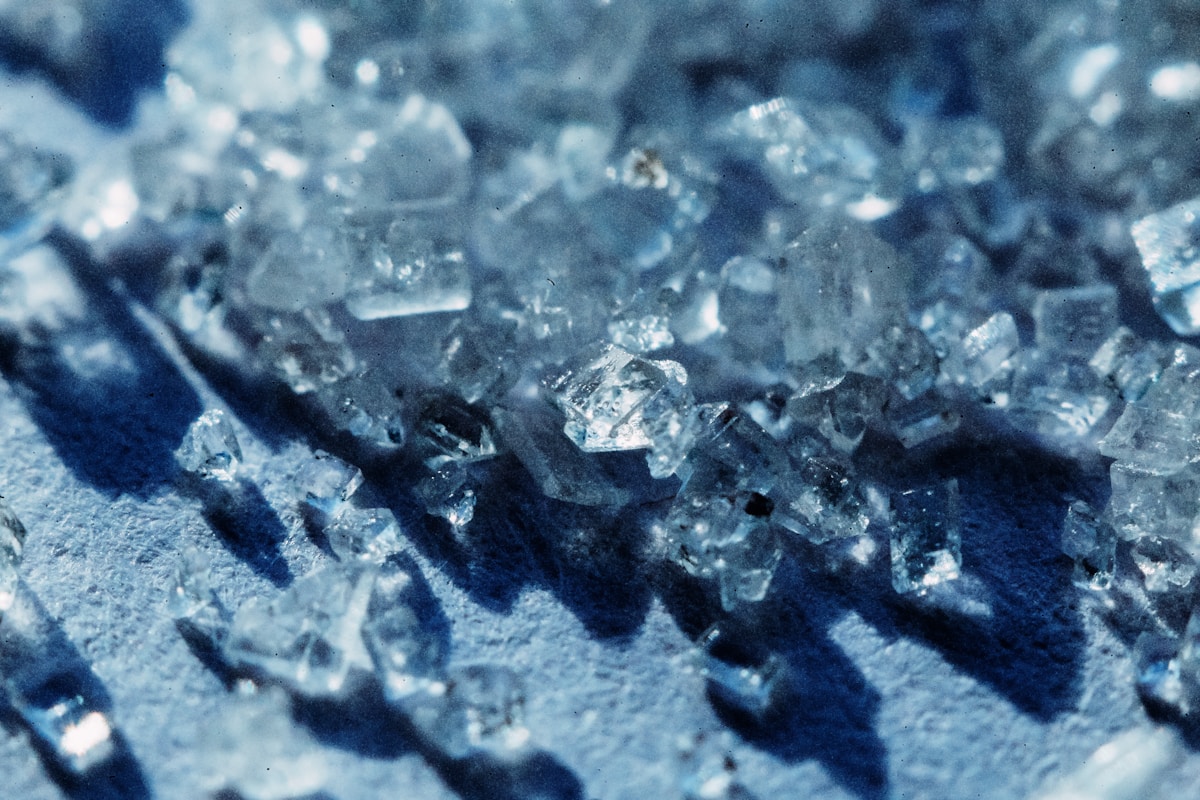
Maldon Sea Salt: Now we get to the star of the show. Maldon is a finishing salt. It’s harvested from the coastal town of Maldon in Essex, England, through a traditional process of evaporating seawater. This specific process creates unique, hollow, pyramid-shaped crystals. They are incredibly delicate and light. You are not paying for a different chemical; you are paying for this unique architectural structure. Its purpose is not to dissolve into a dish to season it from within. Its purpose is to sit on top of the food, providing a textural crunch and a clean, bright burst of salinity right before you take a bite.
Throwing Maldon into your soup is like buying a Ferrari to haul lumber. You’re using the wrong tool for the job and wasting a whole lot of money in the process.
The Real-World Texture Test
Talk is cheap. The real test is how it performs on the plate. I took one 8.5-ounce (240g) box of Maldon and put it through its paces on a few classic dishes where texture is king.
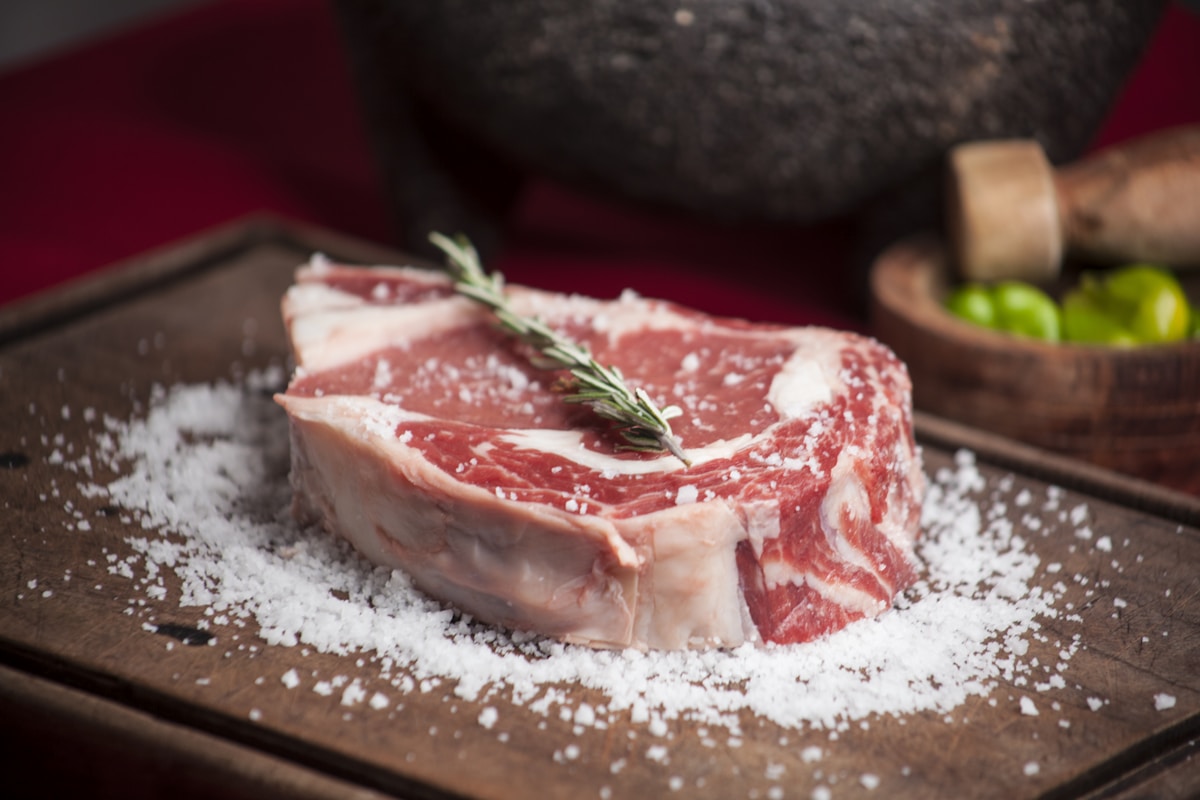
The Perfect Steak: A simple cast-iron seared New York strip. I cooked it to a perfect 125°F (52°C) internal temperature for medium-rare, let it rest for 10 minutes (this is non-negotiable), and sliced it against the grain. On half the slices, I sprinkled standard kosher salt. On the other half, a delicate crushing of Maldon flakes between my fingers. The difference was immediate. The kosher salt side was delicious and well-seasoned. The Maldon side was an experience. Each bite had this delicate, audible crunch that gave way to a pop of clean saltiness, making the rich, beefy flavor of the steak explode. It didn’t just make it saltier; it made it more interesting.
Roasted Vegetables: I tossed some broccoli florets with olive oil and kosher salt and roasted them at 425°F (220°C) until the edges were crispy and browned. Out of the oven, I finished them with a squeeze of lemon juice and a sprinkle of Maldon. That final crunchy, salty hit transformed a simple side dish into something special. It provides a textural contrast to the tender stalks and crispy tips that kosher salt, which would have just dissolved, simply can’t.
The Chocolate Chip Cookie Game-Changer: This is where Maldon truly earns its keep. Make your favorite chocolate chip cookie recipe. Just before they go into the oven, sprinkle a few flakes of Maldon on top of each dough ball. The salt cuts through the sweetness of the sugar and enhances the deep, complex flavors of the chocolate. That little salty crunch on top of a warm, gooey cookie is pure magic. It’s a professional bakery trick that costs almost nothing to replicate at home.
Even on simple things — a ripe summer tomato drizzled with olive oil, a perfectly soft-boiled egg, or a slice of avocado toast — a tiny sprinkle of Maldon provides a massive upgrade in texture and flavor perception.
How to Use It (And How Not To)
To get your money’s worth, you have to use it correctly. Think of it as a condiment, not a primary ingredient. Here are my hard and fast rules for using finishing salt.
- DO keep it in a small bowl or a salt cellar. This makes it easy to grab a pinch. The box it comes in isn’t great for daily use.
- DO use your fingers. Pinch the flakes and gently crush them as you sprinkle them over your food from about 8-12 inches above. This ensures even distribution.
- DO apply it at the very last second before serving. You want the flakes to sit on top, not dissolve into the food from steam or liquid.
- DON’T ever use it to salt your pasta water, soup, stew, or anything where it will just dissolve. You’re paying for texture. If it dissolves, you’ve lost the texture and wasted your money. Stick to cheaper kosher salt for that.
- Kitchen Hack: An 8.5-ounce box costs around $7 and contains thousands of servings when used correctly. If you use it on one dish every single day, it will still last you for many months. We’re talking pennies per dish to get that restaurant-quality finish. It feels extravagant, but the per-use cost is laughably low.
The Verdict: A Smart Splurge for Any Home Cook
So, after all this, is Maldon salt worth the money? My answer is an enthusiastic and resounding yes. But with a condition: you have to understand what it is and use it for its intended purpose.
It is not a replacement for your big box of Diamond Crystal kosher salt, which should remain your go-to for all-purpose seasoning. Think of Maldon as a high-impact, low-cost luxury. It is one of the single most effective ingredients for elevating the perceived quality of your cooking with minimal effort and cost.
It won’t make a bad steak good. But it will make a good steak great. It will make your simple salads and roasted vegetables feel intentional and cheffy. It will make your desserts sing.
For the price of two fancy coffees, you get a tool that adds a crucial layer of texture and bright flavor that can genuinely transform a dish. In my book, that’s not just a good value — it’s a smart investment in making the food you cook at home more exciting and delicious. Go ahead, buy the box. Your future self will thank you.