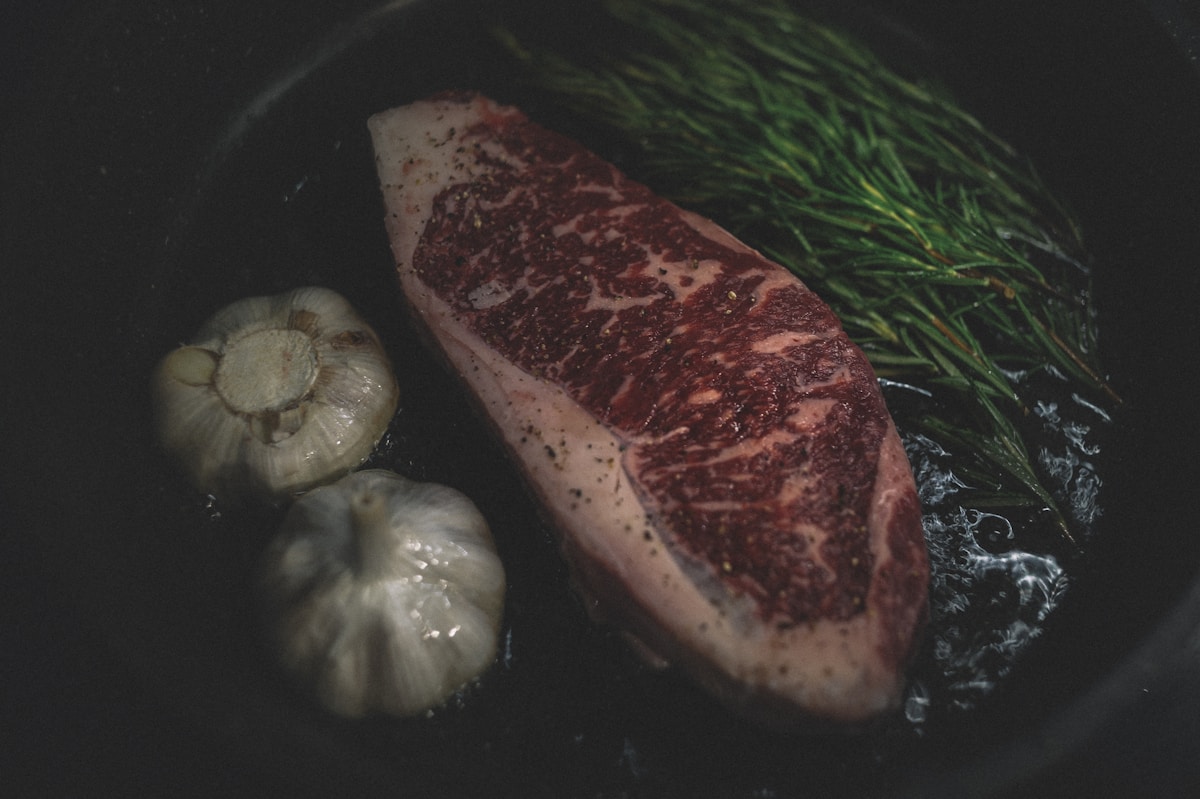
You have the perfect steak waiting. The pan is hot. Within seconds, your kitchen looks like a fog machine went off. Sound familiar? The smoke problem is real for many home cooks, especially in apartments and shared living spaces. Your choice of pan makes a big difference in how much smoke you create.
Here is a direct answer: carbon steel skillets tend to produce the least smoke when searing steak, followed by stainless steel and cast iron. Nonstick pans produce very little smoke but cannot handle the high searing temperatures needed for a proper crust. The rest depends on your oil choice, heat management, and a few simple techniques.
Key Takeaways
- Carbon steel skillets produce the least smoke due to fast heat response and minimal oil needs.
- Use high smoke-point oils like avocado oil (520°F) or ghee (485°F) to prevent early smoking.
- Pat the steak extremely dry to reduce steam and oil splatter, which cause smoke.
- Sear at medium-high heat (400-450°F) and avoid cranking the burner to high.
- The reverse sear method (oven first, then quick sear) significantly cuts smoke output.
How Pan Material Affects Smoke Output
Each pan material handles heat differently, and that directly affects smoke.
Cast iron is a heat magnet. It retains heat extremely well, which is great for a sear but also means the pan can easily overshoot your target temperature. If the oil reaches its smoke point, you get instant smoke. Thicker cast iron skillets hold more heat, so they are more prone to smoking if you do not dial back the burner early.
Stainless steel heats unevenly unless it has a thick aluminum or copper core. It requires more oil to prevent sticking, and that extra oil can smoke if the pan gets too hot. However, with a medium-high flame and a high smoke-point oil, stainless steel can sear with surprisingly little smoke.
Carbon steel offers a sweet spot. It heats up quickly, responds to temperature changes faster than cast iron, and needs less oil, especially once seasoned. A well-seasoned carbon steel pan creates a natural nonstick surface, so you can use a thin layer of oil. That means less oil to burn, so less smoke.
Nonstick pans are the least smoky, but they have a major downside. Most nonstick coatings are not rated for temperatures above 500°F. Searing a steak usually requires surface temperatures of 400°F to 450°F to get a good crust. If you push a nonstick pan past its limit, the coating can degrade and release fumes. So while nonstick produces little smoke, it is not a safe or effective choice for high-heat searing.
The Role of Oil and Steak Preparation
Even the best low smoke steak pan will smoke if you use the wrong oil or skip proper prep.
Oil smoke points matter. Avocado oil has one of the highest smoke points at around 520°F. Ghee (clarified butter) comes next at about 485°F. Refined canola oil smokes at roughly 400°F. Butter, olive oil, and coconut oil are much lower and will smoke long before you get a good crust. For a smoke-free sear, stick with avocado oil or ghee.
Patting the steak dry is not optional. Moisture on the surface turns to steam as soon as it hits the hot pan. Steam creates bubbling and splattering, which throws oil particles into the air. Those particles burn and create smoke. Use paper towels to dry every side of the steak, including the edges. Let it sit uncovered on a rack in the fridge for an hour if you have time – that draws even more moisture out.
How much oil you use also matters. Pouring a thick layer of oil into the pan guarantees extra oil will heat up and reach its smoke point before the steak is done. Instead, use just enough to lightly coat the bottom of the pan. For carbon steel or well-seasoned cast iron, a thin film is enough. For stainless steel, you may need a bit more to prevent sticking, but keep it modest.
Heat Management and Cooking Technique
Many home cooks crank the burner to high and think that is the way to sear. That is often the reason for billowing smoke.
Medium-high heat is usually enough. Most stovetops can supply more heat than a pan can handle without smoking. Start with medium-high and let the pan preheat for several minutes. To test the temperature, flick a few drops of water onto the pan. If they dance and evaporate quickly, the pan is ready. If the water sizzles violently and disappears instantly, the pan is too hot – turn it down.
An infrared thermometer takes the guesswork out. Aim for a pan surface temperature of 400°F to 450°F for searing. That gives you a fast crust without hitting the smoke point of avocado oil or ghee. If you do not have a thermometer, watch for the first wisp of smoke. As soon as you see it, the pan is at the upper limit. Adjust the burner down slightly.
The reverse sear method reduces smoke dramatically. Cook the steak in a low oven (around 250°F) until it reaches about 10°F below your target doneness. Then sear it in a hot pan for just 60 to 90 seconds per side. The pan stays hot for less time, and the steak releases less moisture because it has already cooked through. Less moisture and less pan time mean less smoke.
Do not crowd the pan. If you cook more than one steak, use a second pan or cook them one at a time. Crowding drops the pan temperature and releases steam, which leads to more smoke and a weaker crust.
Additional Smoke-Reduction Tools and Ventilation
Even with the best low smoke steak pan and perfect technique, some smoke is inevitable. The right tools help contain it.
A splatter screen sits over the pan and catches oil droplets before they hit the burner or float into the air. It reduces the amount of smoke that escapes into the room. A lid works too, but it traps steam and can make the crust soggy. A splatter screen is better because it lets steam escape while blocking oil splatter.
Maximize ventilation. Turn your range hood on high before you start preheating. If you do not have a hood, open a window and place a portable fan in the window frame blowing outward. This creates negative pressure that pulls smoke out of the kitchen. Close any doors to the rest of the home to keep smoke from spreading.
An electric skillet with precise temperature control is a game changer for apartment dwellers. You set the dial to 400°F, and the skillet holds that temperature without overshooting. No open flame, no wild temperature swings. Many electric skillets have a nonstick surface, but you can also find stainless steel or cast iron versions. The controlled heat eliminates the main cause of smoke – overheating the oil.
The Best Low-Smoke Pans Ranked (Least to Most Smoky)
1. Carbon Steel Skillet – This is your best bet for a low smoke steak pan. It heats fast, responds quickly to burner adjustments, and needs very little oil once seasoned. The lightweight construction means you can easily lift and swirl the pan to keep oil moving. With avocado oil and medium-high heat, carbon steel produces the least smoke of any pan suitable for searing.
2. Stainless Steel Skillet – A close second, especially if you choose a tri-ply model with an aluminum core. Stainless steel requires a bit more oil, but with careful heat management and a high smoke-point oil, you can sear with minimal smoke. The key is to preheat the pan slowly and not let it get too hot. Use the water drop test to find the right moment.
3. Cast Iron Skillet – Cast iron is legendary for steak, but it is also the most prone to smoking. Its massive heat retention means once it gets hot, it stays hot. A small amount of excess oil can quickly hit its smoke point. To use cast iron with less smoke, preheat it on medium heat for a longer time, use a very thin layer of oil, and consider searing in ghee, which has a higher smoke point than most vegetable oils.
4. Nonstick Skillet – This pan produces almost no smoke, but it cannot deliver the high heat needed for a proper crust. If you are willing to sacrifice some browning for a completely smoke-free kitchen, nonstick can work for a quick sear on thinner steaks. But for thick cuts like a ribeye or New York strip, stick with one of the other three materials.
Frequently Asked Questions
Can I use butter for searing without creating smoke? Butter has a low smoke point (around 300°F) and will burn quickly during searing. If you want butter flavor, use ghee or clarified butter, which smoke at about 485°F. Or sear the steak in avocado oil first, then add a pat of butter at the very end for flavor.
Does patting the steak dry really reduce smoke? Yes. Moisture on the steak turns to steam when it hits the hot pan. Steam causes oil to splatter, and those tiny oil droplets burn in the air and on the burner. Drying the steak thoroughly reduces splatter and the smoke that comes with it.
Is an electric skillet a better choice for low-smoke searing? For many home cooks, yes. An electric skillet maintains a consistent temperature without the fluctuations of a stovetop burner. You can set it to 400°F and walk away. It also usually has a lid, but for searing, you will want to use a splatter screen instead to avoid steaming the steak. The precise control makes it easier to avoid overheating your oil.