You’ve seen it. Maybe it was on a cooking show, where a chef hovers their hands over a finished plate and, with a flourish, sprinkles a pinch of something sparkly from a little wooden bowl. Or maybe you saw it in the grocery store aisle—a simple, elegant white and green box of Maldon Sea Salt Flakes sitting next to the giant, three-pound cartons of regular salt, costing five times as much for a fraction of the weight.
And you thought, “Is that stuff really necessary? Is it just a gimmick for food stylists and fancy restaurants?” It’s a fair question. We’re all trying to be smart with our grocery budgets, and a $7 box of salt can seem like a ridiculous luxury.
Well, as the guy who tests kitchen gear for a living, I’m here to tell you that some luxuries are worth it. And a good finishing salt is probably the single cheapest, most effective way to make your home cooking taste and feel more professional. Let’s break down why that little box is one of the best investments you can make for your kitchen.
What Exactly Is Finishing Salt Anyway?
First, we need to get one thing straight: not all salt is created equal. The salt you use during the cooking process is not the same as the salt you use at the very end.
Cooking Salt (Kosher, Table Salt): This is your workhorse. Its job is to dissolve and season food from the inside out. When you salt your pasta water, season a stew, or brine a chicken, you’re using cooking salt. Its fine or coarse grains are designed to melt away, distributing saltiness evenly throughout the dish. I personally prefer Diamond Crystal Kosher salt for this; its texture is less dense than Morton’s, making it harder to over-salt.
Finishing Salt (Maldon, Fleur de Sel): This is your star player, your special effect. Its job is almost entirely about texture and a final, concentrated burst of flavor right on the surface of the food. It’s added just before serving. You don’t cook with it because that would destroy its entire purpose—and waste your money.
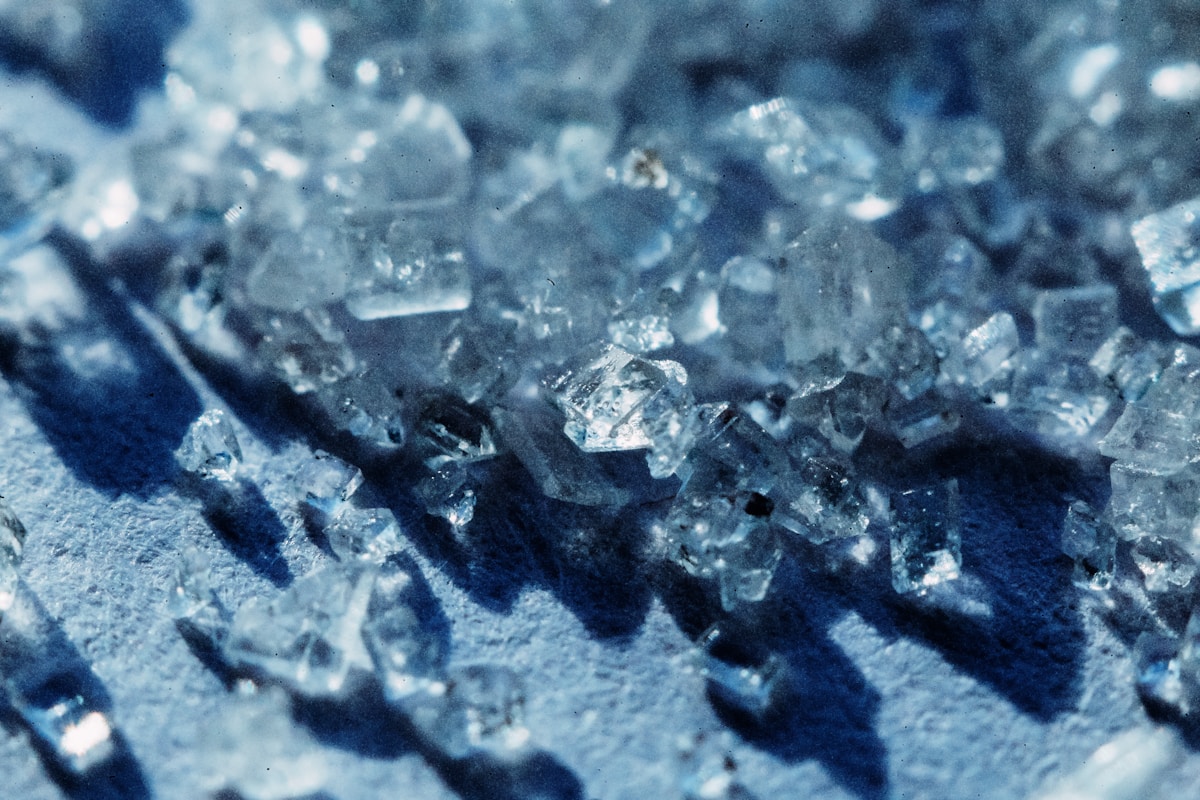
Maldon salt, harvested from the coastal town of Maldon in Essex, England, is famous for its unique crystal structure. It’s not a tiny, hard cube like table salt. Instead, through a traditional process of evaporating seawater, it forms into large, hollow, pyramid-shaped flakes. When you bite into one, it doesn’t just taste salty; it crunches and shatters, releasing a clean, bright salinity that enhances food without overpowering it. (Yes, really.)
The Real-World Test Where It Shines (And Where It’s a Waste)
The magic of Maldon is all in the application. Using it correctly is the difference between a transformative meal and literally dissolving your money into a pot of soup. Your future self will thank you for learning the difference.
Where Finishing Salt is a GAME-CHANGER:
- Seared Steak: This is the classic example. You’ve perfectly cooked a beautiful ribeye to 130°F (54°C) for a perfect medium-rare. You’ve let it rest for 10 minutes. You slice it against the grain, revealing that gorgeous pink center. A sprinkle of flaky salt over the top right before serving adds a delicate crunch that contrasts with the tender meat. It’s magnificent.
- Chocolate Chip Cookies: Don’t knock it ’til you try it. Take your favorite cookie dough and bake as usual. As soon as they come out of the oven, while the chocolate is still molten, sprinkle a few flakes of Maldon on top. That hit of salt cuts the richness and makes the chocolate flavor pop in a way you won’t believe.
- Simple Vegetables and Salads: A sliced heirloom tomato with a drizzle of good olive oil. A simple avocado toast. A Caprese salad. Roasted asparagus or broccoli. In all these cases, the finishing salt adds a textural and flavor dimension that takes a simple dish from good to great.
- Caramels and Brownies: Anything rich, sweet, and chocolaty becomes instantly more complex and delicious with a salty crunch on top.
Where Finishing Salt is a WASTE OF MONEY:
- In pasta water.
- Stirred into soups, stews, or chili.
- In a brine or marinade.
- Anywhere the salt will simply dissolve completely before it’s eaten.
For all of those applications, stick to your cheap and effective kosher salt. The goal of finishing salt is to have the crystal survive all the way to your mouth.
The Cost Breakdown Is It Actually Expensive?
Let’s tackle the elephant in the room: the price. An 8.5-ounce (240g) box of Maldon Sea Salt Flakes typically costs between $6 and $9. Right next to it, a 3-pound (1.36kg) box of Morton Kosher Salt is about $3. The math seems obvious. You’re paying way more for way less.
But you’re not using them the same way.
You might use a quarter cup of kosher salt to boil pasta. You will never use a quarter cup of Maldon on anything. You use it by the pinch. A single 8.5-ounce box, used properly by a home cook, can easily last six months to a full year.
Think about it this way: if a box costs you $8 and lasts you 8 months, you’re spending $1 per month to dramatically improve dozens of meals. It’s an “inexpensive luxury.” It delivers a massive return in flavor and texture for a very small investment. It costs less than a single latte at a coffee shop but will bring you joy for months on end.
Quick Comparison Maldon vs. Other Finishing Salts
Maldon is my go-to recommendation because it hits the sweet spot of quality, texture, and price. But it’s not the only player in the game. If you get the finishing salt bug, here are a couple of others to know:
- Fleur de Sel (“Flower of Salt”): Often from France, this is a more delicate, moist, and fine-grained finishing salt that is hand-harvested by scraping the very top layer of salt from evaporating brine. It’s fantastic on delicate things like fish, eggs, or leafy greens. It’s also typically more expensive than Maldon.
- Smoked Salts: You can often find Smoked Maldon, which is fantastic. The salt flakes are cold-smoked over wood (like oak or hickory), giving them a deep, savory, barbecue-like flavor. Incredible on burgers, roasted potatoes, or even deviled eggs.
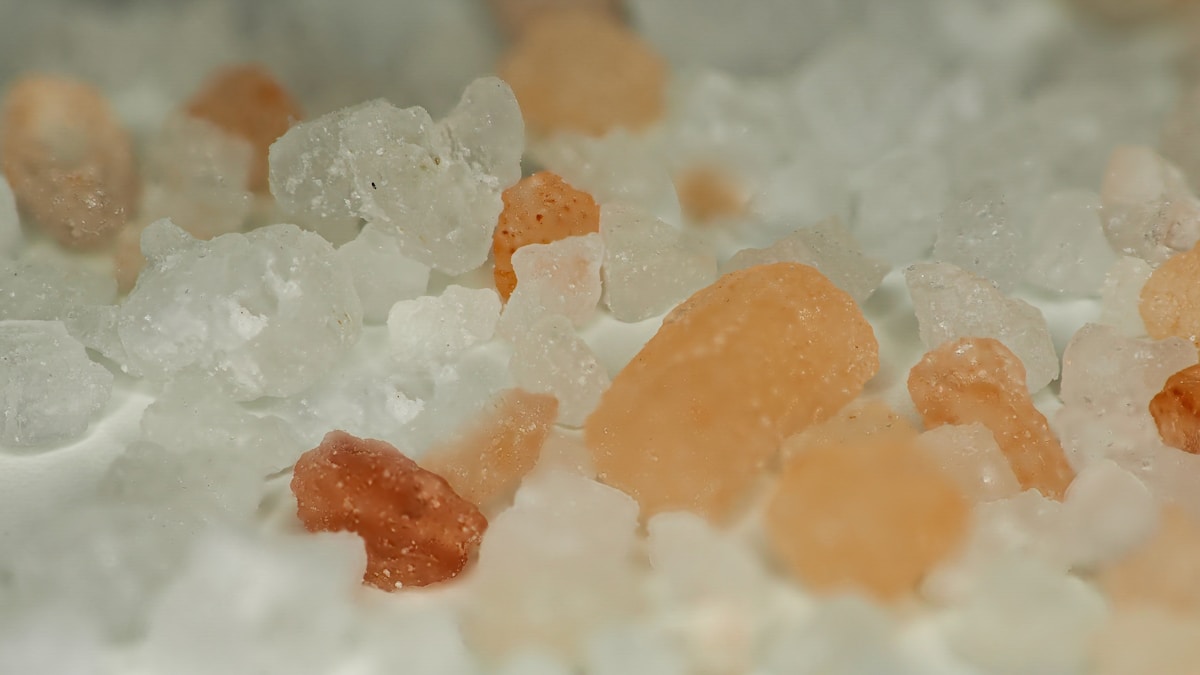
- Himalayan Pink Salt: While pretty, the coarse-ground versions don’t have the delicate, flaky crunch of Maldon. The flavor is a bit more mineral-forward. It’s a fine salt, but for pure texture, Maldon wins every time.
The Verdict And One Simple Hack
So, is that fancy box of Maldon salt worth the money? My answer is an unequivocal yes.
For any home cook who enjoys the details and wants to take their food to the next level, it’s a must-have. It’s not about being a snob; it’s about understanding how a simple ingredient can fundamentally change the experience of eating. The textural crunch and clean saline pop it provides is something you just can’t get from any other salt.
It makes simple food feel special and thoughtful food feel complete.
Here’s my one essential kitchen hack for using it: Get the salt out of that cardboard box. The best way to use finishing salt is from a small bowl, often called a salt cellar or a pinch bowl. This allows you to grab a pinch with your fingers, giving you total control. You can feel the flakes and crush them gently between your thumb and forefinger as you sprinkle them from on high (do the chef-y thing, it helps with even distribution!). It makes seasoning feel more intuitive and ensures you get that perfect, delicate crunch every single time.