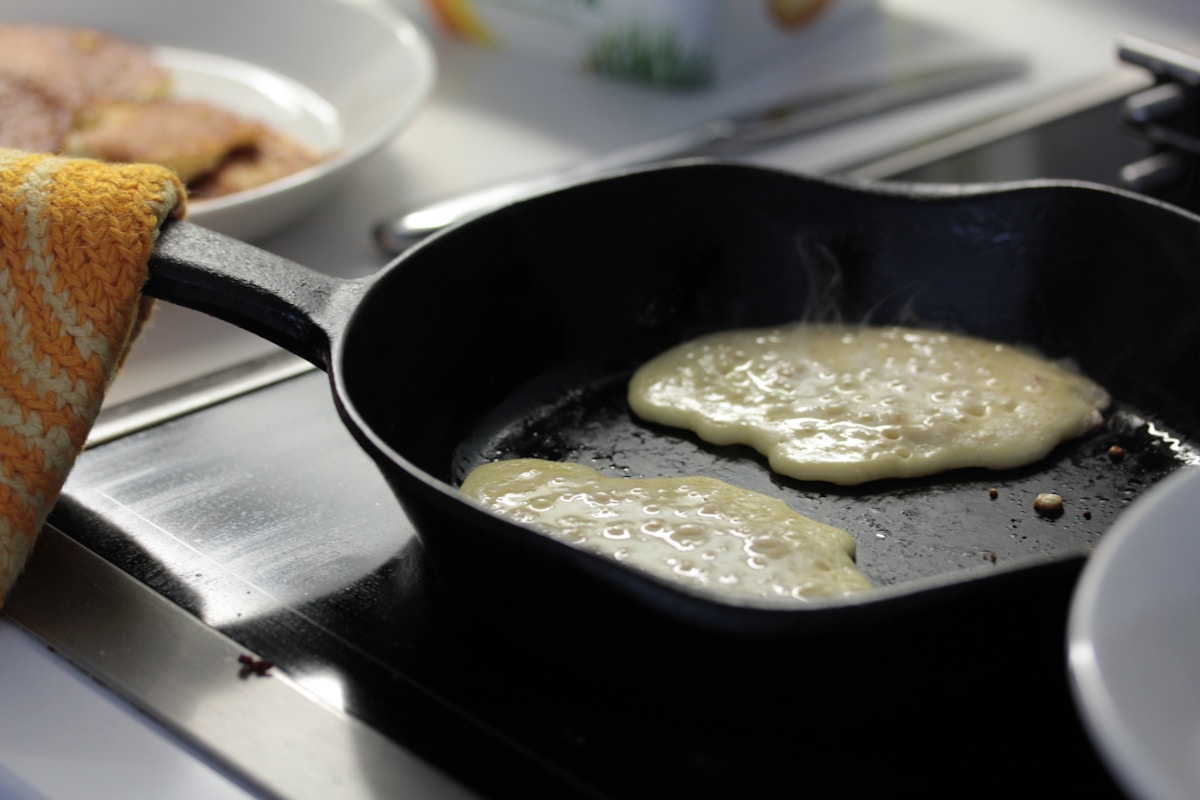
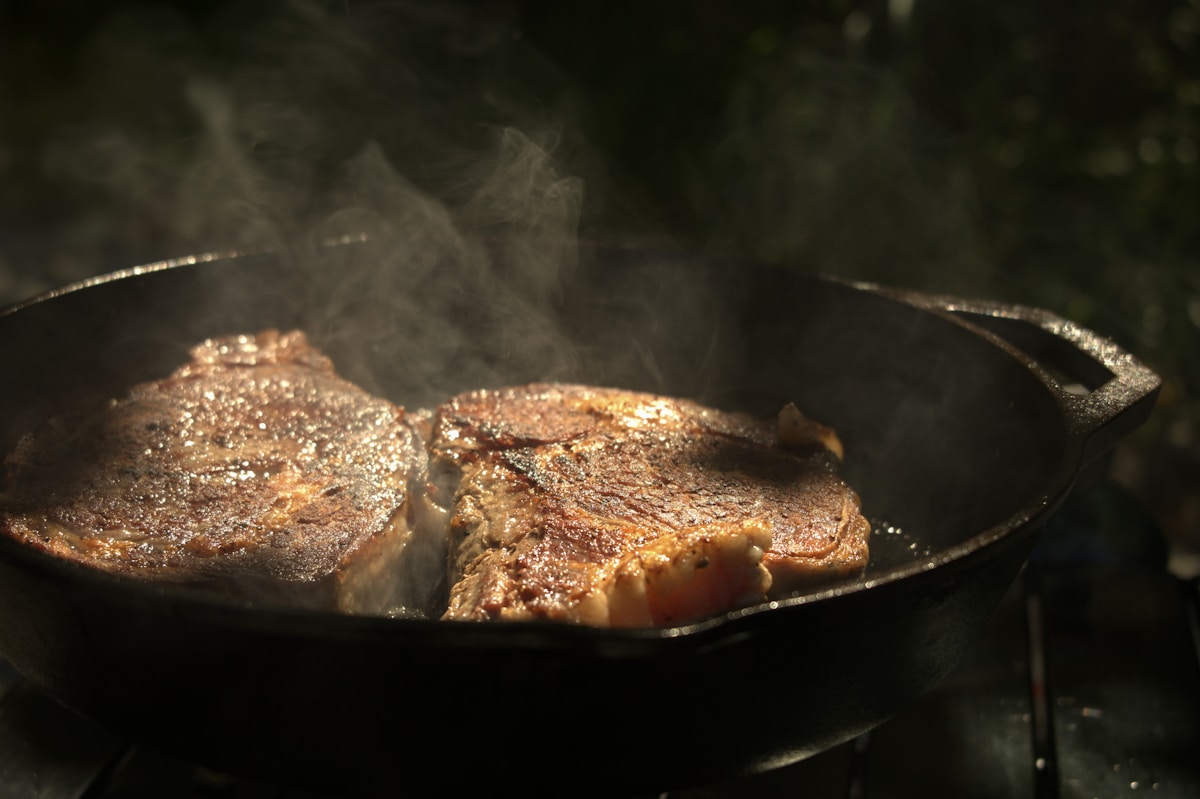
A cast iron skillet can produce beautifully browned vegetables, crisp potatoes, burgers, cornbread, and shallow-fried foods. It can also make a small kitchen feel less convenient when you need both hands to lift it, the handle is hot, and the pan needs drying before storage.
So, is a cast iron skillet worth it? Usually, yes—if you regularly sear, roast, fry, or bake and do not mind a little care after cooking. It may not be the best first choice if you mainly cook eggs, delicate fish, acidic sauces, or quick meals where easy cleanup and light handling matter most.
Key Takeaways
- Cast iron is a strong choice for searing, browning, roasting, shallow frying, baking, and oven-to-table meals.
- Its main drawbacks are weight, slower temperature changes, hot handles, storage demands, and a drying and oiling routine.
- Stainless steel is often more flexible for acidic sauces, while nonstick is usually easier for eggs, delicate foods, and quick cleanup.
- Bare cast iron needs seasoning care; enameled cast iron avoids the same seasoning routine but remains heavy and may cost more.
- The best skillet depends on your usual meals, lifting comfort, cooktop and oven setup, storage space, and maintenance habits.
What a Cast Iron Skillet Does Especially Well
Cast iron is particularly useful when you want a pan that holds heat well after preheating. That makes it a strong option for browning meat, cooking burgers, searing vegetables, roasting potatoes, and shallow frying foods such as chicken or fish. Its heavy construction also suits recipes that move from the stovetop into the oven, provided the specific skillet and its handle are oven-compatible.
It is practical for oven-to-table meals, too. A skillet can take you from browning onions or sausage on the stovetop to baking cornbread, finishing a frittata, or roasting vegetables in the oven. Fewer separate dishes can mean less washing, although the skillet itself still needs prompt cleaning and drying.
For everyday cast iron cooking, common uses include:
- Burgers and other foods that benefit from browning
- Roasted potatoes and sturdy vegetables
- Grilled sandwiches and quesadillas
- Cornbread and other skillet-baked recipes
- Pancakes or flatbreads when the surface and heat are well controlled
- Shallow frying and pan-frying
- Steaks and other foods cooked over relatively high heat
One skillet can cover many common home-cooking tasks. However, versatility does not mean it is ideal for every meal. Cast iron may be excellent for a burger and less convenient for a delicate piece of fish. It can handle a roasted tomato dish, but stainless steel or enameled cast iron may be simpler for a sauce containing acidic ingredients that simmers for a while.
Preheating matters. Cast iron generally takes time to warm, so rushing a cold pan over high heat can produce uneven results or make food stick. Start with a moderate setting, allow the pan to heat, then adjust the burner as needed. Because the pan can stay hot for a while, lower the heat early when a recipe is nearly finished.
Cast Iron Skillet Pros and Cons for Daily Use
The main cast iron skillet pros and cons are straightforward: it offers strong heat retention and broad cooking versatility, but it asks more from you physically and during cleanup.
The main advantages include:
- Durable construction that can serve for many years with proper care
- Useful heat retention for browning, searing, roasting, and frying
- Stovetop-to-oven flexibility when the cookware instructions allow it
- A broad cooking surface for family-style meals
- Compatibility with many stovetops, including induction, when the pan and cooktop are suitable
- A maintained cooking surface that may become easier to cook on over time
The main drawbacks include:
- More weight than many stainless steel or nonstick skillets
- Slower temperature changes after the pan becomes hot
- A handle that can become very hot during stovetop or oven use
- More storage and handling considerations in a small kitchen
- A routine of cleaning, drying, and sometimes oiling after use
- Less convenience for some acidic or delicate foods
Weight is not a minor detail. Before buying, lift the empty skillet with one hand, then imagine adding food and moving it from the stovetop to a counter. If pouring pan juices, lifting the pan over a sink, or switching burners feels awkward when the pan is empty, a full skillet may be frustrating. A helper handle can make a large pan easier to move, but it also needs clearance on the stovetop and in storage.
Handle design matters as much as the pan body. A long handle can improve leverage, while a helper handle can make a wider skillet easier to carry. Either way, assume the handle may be hot and plan where you will place the pan. Use a suitable heat protector when handling a hot skillet, and check the manufacturer’s instructions before putting any handle cover in an oven.
Cast iron also needs a stable storage location. Stacking it beneath fragile cookware is inconvenient, and storing it while damp can create problems. A dry cabinet, sturdy shelf, or dedicated rack is more suitable than a crowded drawer that makes lifting difficult.
Check cooktop compatibility before purchase. Cast iron is commonly used on gas, electric, and induction cooktops, but a heavy pan can be unsuitable for some glass surfaces if dragged, dropped, or handled carelessly. Follow the cooktop and skillet manufacturer’s guidance, especially for glass-top use, oven temperatures, broiling, and lids.
Cast Iron Maintenance, Cleaning, and Storage
Basic cast iron maintenance is simpler than its reputation suggests, but it is less automatic than cleaning stainless steel or nonstick cookware. The dependable routine is to clean the skillet after use, dry it promptly, apply a very thin coat of oil when appropriate, and store it somewhere dry.
After cooking, let the pan cool enough to handle safely, but do not leave food and moisture sitting in it for hours. Remove loose food with a spatula or suitable brush. For stuck-on residue, use a little water and gentle scrubbing or another method recommended by the manufacturer. The goal is to remove food without unnecessarily stripping the cooking surface.
Dry the skillet completely. You can towel-dry it and, if the manufacturer allows, place it over low heat briefly to evaporate remaining moisture. Once dry, wipe on a very thin layer of cooking oil if that is part of your pan’s care instructions. The surface should look lightly coated, not wet or sticky.
Seasoning is not a permanent, glass-smooth nonstick coating. It is a maintained layer formed through the interaction of oil and heat. A well-maintained surface can release many foods more easily, but results still depend on preheating, the amount of fat used, food moisture, and temperature control.
Normal seasoning wear can look like dull patches, uneven color, or areas that appear less glossy after cooking. These signs do not automatically mean the skillet is ruined. If food begins sticking more often, the pan develops patchy residue, or the surface feels dry after cleaning, it may benefit from the manufacturer’s re-seasoning process.
Different problems require different responses:
- Sticky oil buildup: Too much oil can leave a tacky surface. Clean it according to the manufacturer’s care instructions rather than adding more oil.
- Rust: Small rust spots need attention before regular use. Follow the pan’s care guidance for removing rust and restoring the cooking surface.
- Flaking material: Do not ignore loose flakes or peeling material. Check the manufacturer’s instructions before cooking with the skillet again.
- Persistent residue: Try the recommended cleaning method for that specific pan instead of repeatedly increasing heat or using harsh tools.
- Cracks, warping, or damaged enamel: Stop and seek product-specific guidance before use.
Soap and abrasive tools are product-care questions rather than universal rules. Some manufacturers allow mild dish soap and particular scrubbers; others provide more specific limits. Use the instructions for your skillet, especially if it has a factory-applied surface or enamel.
For storage, keep the skillet dry and avoid trapping moisture under a lid or between stacked pans. If you stack cookware, use a separator that will not hold water against the surface. Store the pan where you can lift it without scraping nearby cookware or dropping it onto a glass surface.
Cast Iron Versus Stainless Steel and Nonstick
The best comparison is task-based, not based on one universal winner.
For eggs, nonstick is usually the easiest option for a beginner because it requires less attention to surface condition and heat. Cast iron can cook eggs successfully, but the pan needs suitable seasoning, controlled heat, and enough fat. Stainless steel can also work, although timing and preheating matter because eggs can stick when added to an unsuitable surface.
For delicate fish, nonstick is often the more forgiving choice when you want easy release and simple cleanup. Stainless steel can produce good browning with careful technique. Cast iron can handle fish, but its weight, heat retention, and surface condition may make it less convenient for fragile portions.
For acidic sauces, bare cast iron is not always the simplest choice, particularly when an acidic ingredient will cook in the pan for an extended period. The effect depends on the pan’s condition, the recipe, and the manufacturer’s guidance. Stainless steel and enameled cast iron are often more convenient for tomato-based sauces, wine-based sauces, or other acidic preparations, but confirm the product instructions.
For high-heat searing, cast iron and stainless steel can both be useful. Cast iron’s heat retention can help when adding relatively cool food, while stainless steel offers a responsive cooking surface and is often easier to deglaze and clean afterward. Neither option removes the need to control the burner and avoid overheating an empty pan.
For routine cleanup, nonstick is usually the most convenient when the coating remains in good condition and you follow its care instructions. Stainless steel does not need seasoning and can be a practical all-purpose choice, although browned residue may require soaking or scrubbing. Cast iron adds the extra steps of prompt drying and occasional oiling.
Bare cast iron and enameled cast iron are also different choices. Bare cast iron needs seasoning care and is more sensitive to the type and duration of acidic cooking. Enameled cast iron has a coated cooking surface, so it does not require the same seasoning routine, but it remains heavy and may cost more. Enamel also needs careful handling because chips, cracks, or other damage should be addressed according to the manufacturer’s instructions.
If you want one skillet for searing, roasting, baking, and sturdy everyday foods, bare cast iron can be good value. If you want cast iron’s weight and oven versatility but prefer easier care with acidic recipes, enameled cast iron may fit better. If you want a lighter all-purpose pan, stainless steel deserves serious consideration. If your priority is eggs, delicate foods, and quick cleanup, nonstick may be the better tool.
A Beginner’s Buying Checklist
Use this checklist before deciding whether a cast iron skillet is worth buying for your kitchen.
-
Choose the size for your meals. A smaller skillet is easier to lift and store, while a larger one gives more room for family portions. Match the diameter to your stovetop burner, oven space, cabinet, and sink.
-
Lift the empty pan. Hold it with the main handle and, if included, the helper handle. Check whether you can safely imagine lifting it with food inside.
-
Inspect the handle design. Look for a grip that feels secure and enough clearance around the handle. Decide where you will place a hot pan before cooking.
-
Choose bare or enameled cast iron. Bare cast iron suits cooks willing to maintain seasoning. Enameled cast iron may be more convenient for acidic dishes but can be heavier and more expensive.
-
Check the cooking surface. Consider whether you prefer a traditional textured surface or a smoother option. Do not assume either will perform like factory nonstick cookware.
-
Look for practical features. A helper handle, pour spouts, and a compatible lid can improve daily use, but they also affect storage space and price.
-
Confirm compatibility. Check the manufacturer’s guidance for gas, electric, induction, glass-top cooktops, oven use, broiling, lids, and maximum temperatures.
-
Plan the maintenance routine. Be honest about whether you will clean, dry, oil, and store the pan correctly after each use. If not, stainless steel or nonstick may be a better fit.
-
Set a realistic budget. Cast iron can offer strong long-term value, but the cheapest or largest pan is not automatically the best choice. A smaller, lighter skillet that you use regularly is often more useful than an oversized pan that stays in storage.
Cast iron is likely worth it if you enjoy searing, browning, roasting, shallow frying, baking, and oven-to-table meals—and you are comfortable with weight, hot handles, and a short care routine. It is less compelling if you mainly cook eggs, delicate fish, acidic sauces, or fast meals where the easiest cleanup matters most.
For many beginners, the best skillet is not the most traditional one. It is the pan that matches the food you cook, the way you handle cookware, and the space available in your kitchen.
FAQ
Is cast iron good for everyday cooking?
Yes, if your everyday meals include browning, roasting, frying, baking, or sturdy vegetables and meats. It is less convenient when most meals involve delicate foods, acidic sauces, or very quick cleanup.
What is easier for a beginner, cast iron or stainless steel?
Neither is effortless for every task. Stainless steel avoids seasoning and is often more convenient for sauces and general cleanup, while cast iron can be useful for high-heat browning once you are comfortable with its weight and heat retention.
Can you cook acidic foods, eggs, and delicate fish in cast iron?
You can cook many of these foods, but the results and convenience depend on the pan’s surface, recipe, heat control, and manufacturer guidance. Nonstick is often easier for eggs and delicate fish, while stainless steel or enameled cast iron may be more convenient for acidic sauces. Bare cast iron requires more care and is not automatically the best choice for all three.