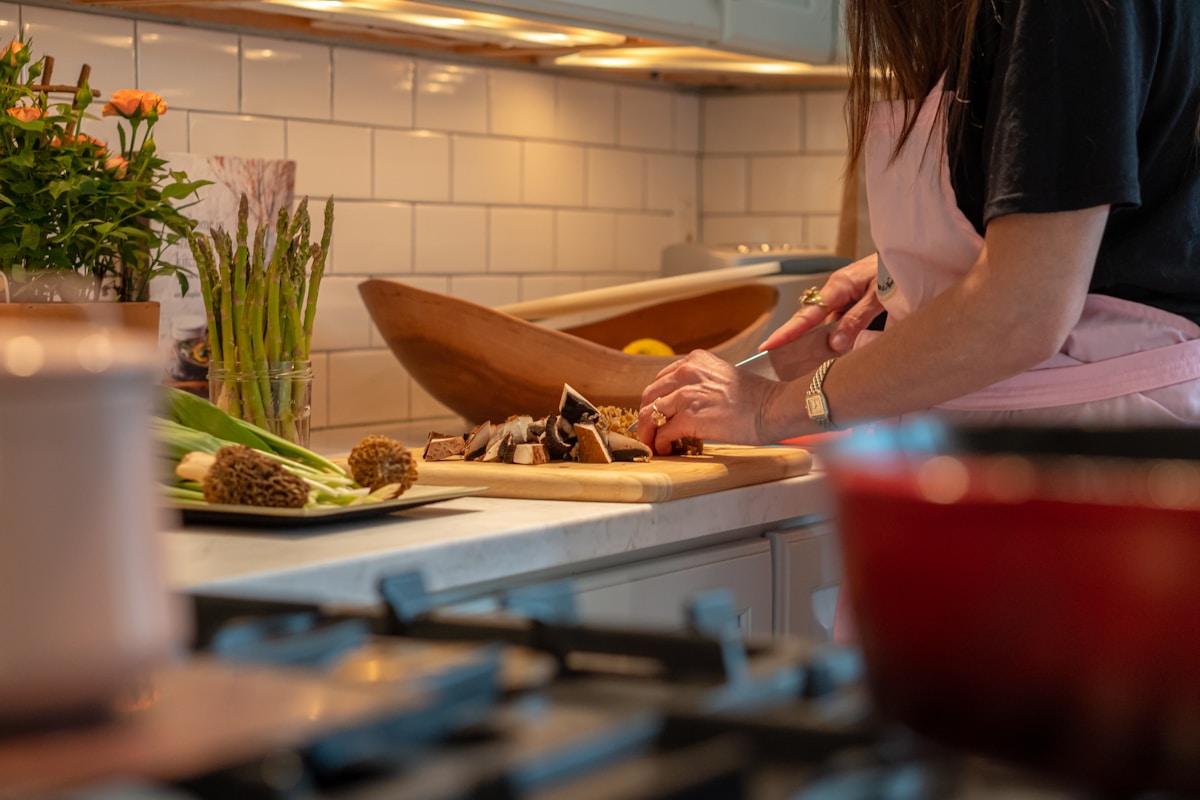
When pigs catch up with this new flu virus, they will just endure it like a common flu — unlike humankind, who would be likely to die if they go untreated. Yet somehow, it’s the pigs that got the bad reputation. While the world was busy renaming menus, cancelling pork orders, and avoiding the butcher’s counter, I was in my kitchen doing what I always do: cooking pork. Deliciously, confidently, and without a single shred of guilt.
Because here’s the thing — the science was always on my side.
Pigs Handle Flu Better Than We Do
It sounds almost unfair. Swine influenza has been circulating among pig populations since at least 1930, and pigs have been living alongside this virus for nearly a century. When a pig contracts swine flu, it typically shows symptoms for three to six days — a runny nose, some lethargy, reduced appetite — and then recovers. The mortality rate in infected pig herds is remarkably low. Pigs, in short, are experienced flu survivors.
Humans, encountering a novel reassortant strain like the 2009 H1N1 for the first time, had no pre-existing immunity. That asymmetry — pigs shrug it off, humans panic — tells you something important: this was always primarily a human health story, not a pork story. The pig was, in the most literal sense, a bystander.
Still Eating Pork: Here’s Why
Let me be direct about what the world’s top health authorities said — unanimously, clearly, and early — in 2009:
“Pork and pork products, handled in accordance with good hygienic practices, will not be a source of infection.”
— WHO, FAO, OIE & WTO Joint Statement, May 2009
The U.S. CDC stated plainly: “You cannot get this flu from eating pork or pork products.” Swine flu is a respiratory disease. It lives in airways and lungs — not in pork chops, pork belly, or a bowl of char siu noodles. No amount of staring at a rasher of bacon was going to transmit H1N1 to anyone. And cooking pork to the standard safe internal temperature of 70°C / 160°F eliminates influenza viruses completely — along with every other pathogen of concern.
This is why I didn’t change a single thing about how I shop, cook, or eat. The evidence didn’t support changing anything.
The Recipes I Kept Making (And You Should Too)
While some people were nervously reconsidering their dinner plans, my kitchen calendar stayed exactly the same. These are the pork dishes I was cooking through the entire panic — and still cook today:
Slow-braised pork shoulder — eight hours in the oven with garlic, rosemary, and white wine; by the end, the meat falls apart at the touch of a fork and the whole kitchen smells extraordinary. No flu virus — or any other pathogen — survives that.
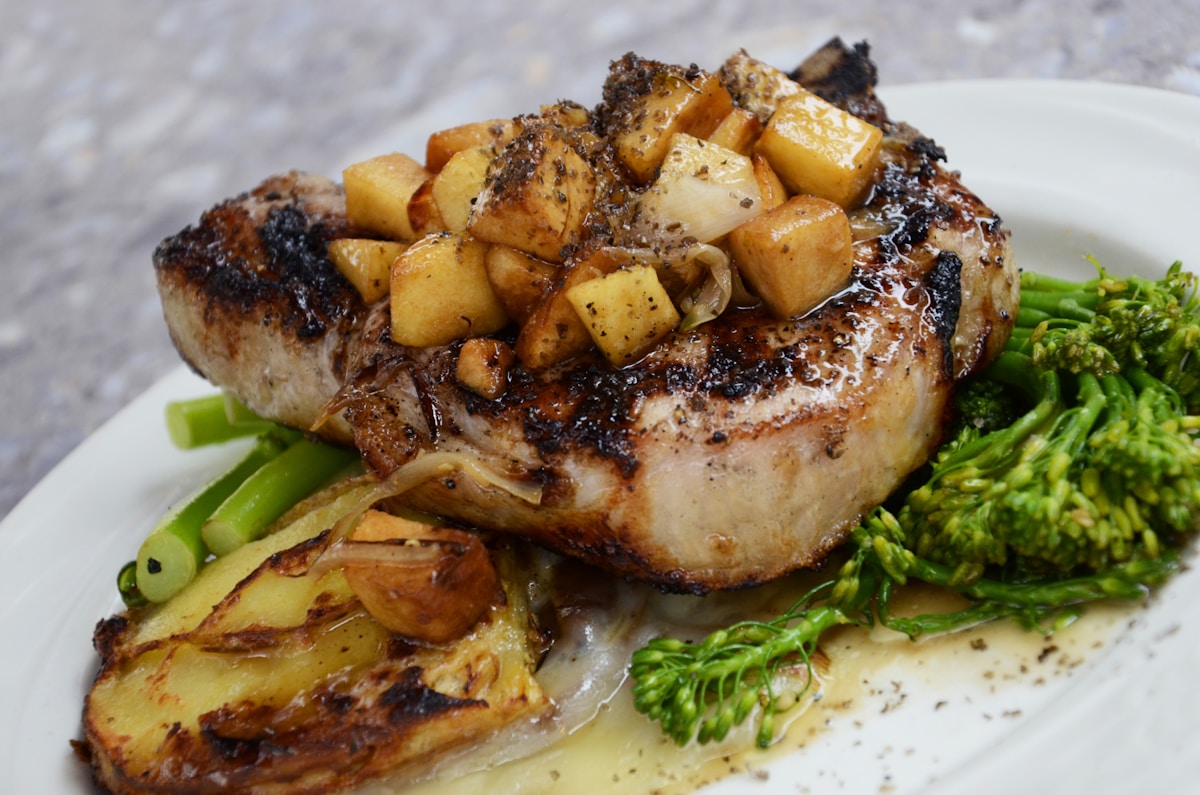
Pan-fried pork chops with apple — a weeknight staple that takes twenty minutes; season generously with salt and pepper, sear in a hot cast iron pan, rest for five minutes, serve with quickly sautéed apple slices and a splash of cider vinegar.
Char siu (Chinese BBQ pork) — marinate pork neck in hoisin sauce, soy sauce, honey, five-spice, and a little red fermented tofu overnight; roast at high heat, basting twice, until caramelized and sticky. Serve over rice or stuffed into steamed buns.
Classic pork dumplings — mix minced pork with finely chopped cabbage, ginger, garlic, soy sauce, and sesame oil; wrap in thin dough rounds and either steam or pan-fry until the bottoms are golden. One of the most satisfying things you can make by hand on a weekend afternoon.
Pulled pork — rub a whole shoulder with smoked paprika, cumin, brown sugar, garlic powder, and black pepper; cook low and slow for ten to twelve hours; shred with two forks. The result feeds a crowd and improves the next day as leftovers.
The Name Was the Problem
If the 2009 outbreak had been called “North American Influenza A” — which is what some scientists and officials lobbied for — I suspect the pork industry would have lost far less money and far fewer home cooks would have been spooked. The U.S. Secretary of Agriculture Tom Vilsack specifically argued against the “Swine Flu” name early in the outbreak, precisely because it implied a connection to pork consumption that simply didn’t exist.
Names matter enormously in food scares. “Mad Cow Disease” hit British beef consumption for years. “Bird Flu” caused poultry sales to drop in markets where the transmission route was entirely airborne and had nothing to do with eating chicken. “Swine Flu” followed the same pattern: a respiratory illness got named after its animal host, and people stopped buying the animal’s meat.
This is how food panics work — not through science, but through association. And the best way to resist an irrational food panic is to understand the actual science and act on that instead.
Cooking Pork Safely: The Basics That Always Applied
The Swine Flu episode didn’t change any of the pork safety rules — because good pork safety practice was already sufficient. Here’s the short version of what has always been true:
- Internal temperature of 70°C / 160°F kills influenza viruses, Salmonella, Trichinella, Yersinia, and every other pathogen of concern in pork — use a meat thermometer, not guesswork
- Rest cooked pork for three minutes before cutting; the internal temperature continues to rise during resting and ensures thorough pathogen elimination
- Wash hands before and after handling raw pork; cross-contamination from raw meat to ready-to-eat foods is the real everyday risk in a home kitchen
- Buy from reputable sources — commercially raised pigs in regulated supply chains are monitored for health; sick animals do not enter the food supply under standard veterinary and food safety law
- Refrigerate within two hours of cooking; leftover pork keeps safely for three to four days in the fridge and up to three months in the freezer

Photo by Unsplash — A properly cooked pork dish, just as good as it ever was
Pig Is Still the Most Versatile Meat in the Kitchen
One of the reasons I’ve never been tempted to give up pork — not during Swine Flu, not ever — is that no other single protein offers the same range and depth of culinary possibility. Pork gives you crispy crackling and silky braised belly from the same animal. It provides the delicate fat of lardo and the robust cure of prosciutto. It anchors dumplings across half of Asia, sausages across all of Europe, and barbecue across the American South.
Nutritionally, lean pork cuts like tenderloin and loin chops are comparable to skinless chicken breast in fat content while delivering excellent amounts of B12, zinc, selenium, and phosphorus. The idea that pork is somehow a lesser or riskier meat has always been a cultural prejudice rather than a nutritional or food safety finding.
Every cuisine that has access to pork uses it lavishly. That’s not coincidence. That’s centuries of cooks discovering that pigs, who endure flu like a minor inconvenience, give us something magnificent in return.
My Kitchen, My Rules
The kitchen is a magic place, where yummy food adds joy to life. And I refuse to let a misnamed respiratory virus take that joy away from me — or from you.
So the next time a headline announces some new pig-adjacent health scare, do what I do: read the actual transmission route, check what WHO and CDC say about food safety, and then go ahead and make the pork dumplings anyway.
Life in the kitchen is fun and rewarding. Why not do it in style — with a perfectly seared pork chop on the plate?

 Beatrice