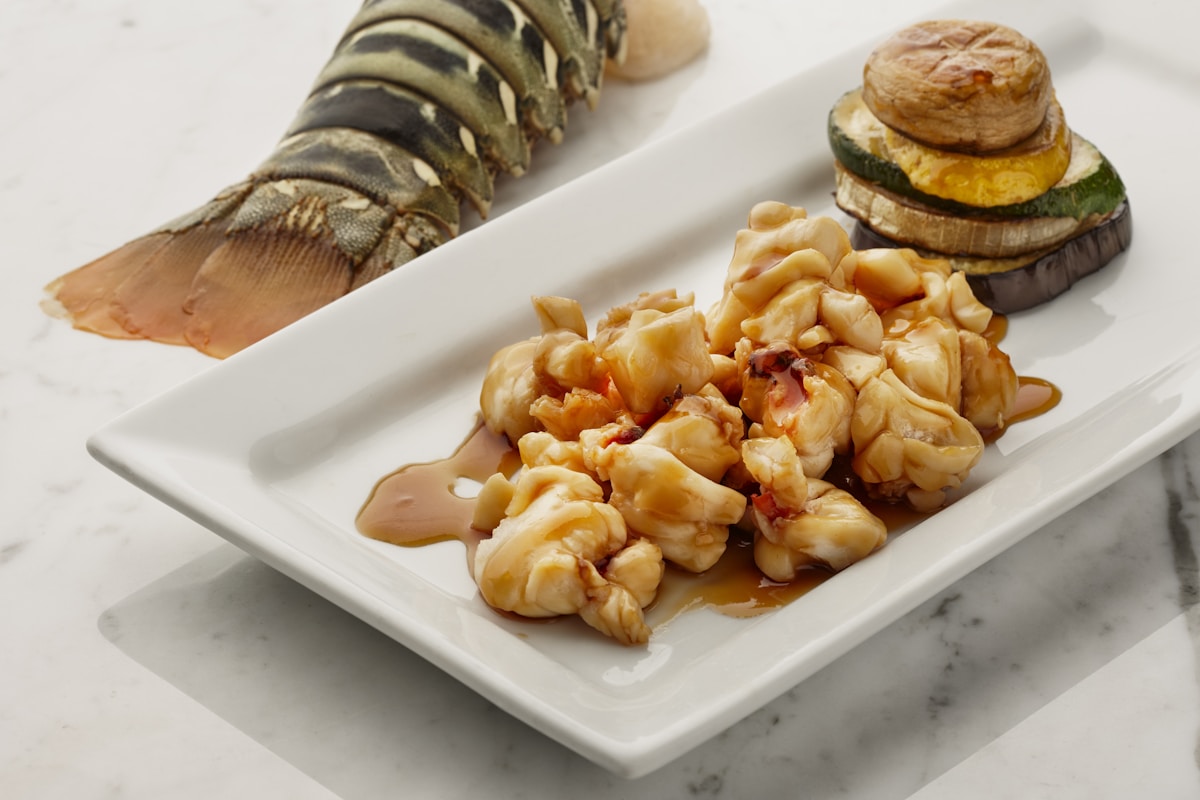
Have you ever stared at a packet of freeze-dried shrimp, maybe from an emergency preparedness kit or the back of a very well-stocked pantry, and felt a little bit of dread? The big question looms: “Is this just going to turn into a handful of pink rubber bands?”
Let’s be honest, it’s a valid fear! We’ve all had tough, overcooked shrimp, and the thought of starting with something that’s already dry can feel like a recipe for disaster. But I’m here today as your kitchen guide, Beatrice, to tell you a little secret: with the right technique, that freeze-dried seafood can be a powerhouse of flavor in your kitchen. It’s not about trying to make it exactly like fresh; it’s about understanding what it does best.
So, take a deep breath. We’re going to demystify this together, and by the end, you’ll have a fantastic recipe you can try tonight.
First What Is Freeze-Dried Seafood Anyway
Before we can fix the problem, it helps to know what we’re working with. Freeze-drying sounds like something out of a sci-fi movie, but it’s actually a pretty clever process. First, the food (in this case, our lovely shrimp or lobster) is frozen solid. Then, it’s placed in a strong vacuum, which causes all the frozen water crystals to turn directly into vapor and disappear. Poof!
Think of it like this: it’s a super gentle way of removing water. Unlike regular dehydration that uses heat and can make things tough, freeze-drying leaves the food’s structure mostly intact. It’s like a perfect, delicate sponge, full of microscopic empty spaces where the water used to be. This is great for preservation, but it’s also the source of our texture challenge.
When you add water back in, especially hot water, those delicate protein fibers get a sudden shock. They contract, they tighten up, and—you guessed it—they get rubbery. Our goal is to reintroduce water gently, coaxing the seafood back to life instead of startling it.
The Golden Rule of Rehydration Hint It’s Not Boiling Water
If you take only one thing away from this article, let it be this: step away from the kettle. Using hot or boiling water is the number one mistake people make with freeze-dried proteins. It cooks the seafood instantly and unevenly, guaranteeing a chewy, disappointing texture.
Instead, we are going to give our seafood a relaxing, cool bath. It’s a little counterintuitive, but trust me, this is the magic step.
Here is your foolproof, step-by-step method:
- Place the Pieces in a Bowl: Take your freeze-dried shrimp, lobster, or other seafood out of the package and put it in a bowl that gives it some room. Don’t overcrowd the bowl.
- Cover with Cool Water: Use cool or lukewarm tap water. You don’t need ice-cold water, but you definitely don’t want anything warm to the touch. Pour enough water to cover the pieces completely.
- Be Patient and Let It Soak: This is where patience is a virtue. For small items like shrimp, this will likely take about 20-30 minutes. For larger chunks of lobster, you might need closer to 45-60 minutes. You’ll see them slowly plump up as they absorb the water.
- Check the Texture: Gently squeeze a piece. It should feel pliable and fleshy, no longer hard or brittle. It’s important to set your expectations here: it will not feel exactly like a piece of raw, fresh seafood. That’s completely normal! We’re aiming for rehydrated and soft, not a perfect duplicate.
- Drain and Pat Dry: Once it’s ready, pour the contents of the bowl through a colander to drain away all the water. Then, gently pat the seafood dry with a paper towel. This step is important because you don’t want to add a lot of extra water to your final dish.
And that’s it! Your seafood is now rehydrated and ready to be used. But what, exactly, should you use it for?
Your Secret Weapon The Right Recipes
Here’s the thing about rehydrated seafood: it’s a team player, not the solo star of the show. Because the texture will never be quite the same as fresh, serving a rehydrated lobster tail on its own is probably not going to wow your guests. (It’s okay, we can admit that!)
But that doesn’t mean it’s not useful. In fact, its concentrated flavor is an incredible asset in dishes where the texture is disguised. Instead of a limitation, think of it as a shortcut to deep, savory seafood flavor. Your best bet is any recipe where the seafood is chopped, minced, or blended with other delicious things.
Here are the perfect homes for your rehydrated seafood:
- Creamy Soups, Bisques, and Chowders: This is my absolute favorite use. After rehydrating, give the seafood a rough chop and stir it into a creamy lobster bisque or a hearty corn and potato chowder during the last few minutes of cooking. You get that wonderful, sweet seafood flavor infused throughout the entire soup.
- Savory Dips and Spreads: Imagine a hot, bubbly, cheesy seafood dip served with crusty bread. Amazing, right? Mix your chopped, rehydrated seafood with cream cheese, mayonnaise or sour cream, garlic, a little lemon juice, and some parmesan. Bake it until golden, and I promise, no one will be thinking about texture.
- Ravioli and Dumpling Fillings: Minced rehydrated shrimp or lobster mixed with ricotta cheese, a little parsley, and some salt and pepper makes a truly luxurious filling for homemade ravioli, stuffed shells, or even savory pastries.
- Flavorful Sauces: A creamy garlic shrimp sauce for pasta is a weeknight winner. Sauté some garlic in butter, add some cream and your chopped, rehydrated shrimp, and let it simmer for a few minutes. The sauce will pick up all that delicious shrimp flavor.
Try This Tonight Easy Baked Lobster Dip
Ready to put this into practice? This dip is incredibly forgiving and ridiculously delicious. It’s the perfect way to build your confidence.
You’ll Need:
- About 1 cup of freeze-dried lobster or shrimp, rehydrated and chopped finely
- 8 ounces (225g) of cream cheese, softened to room temperature
- 1/4 cup mayonnaise
- 1/4 cup grated Parmesan cheese
- 1-2 cloves of garlic, minced
- 1 tablespoon fresh lemon juice
- 2 tablespoons chopped fresh parsley or chives
- A pinch of salt and a few grinds of black pepper
- A dash of paprika or cayenne for a little warmth (optional)
The Steps:
- Preheat your oven to 375°F (190°C). Lightly grease a small baking dish.
- Rehydrate your seafood using the cool water method we just talked about. Once it’s soft, drain it well and pat it very dry. Chop it into small, pea-sized pieces.
- Mix Everything Together: In a medium bowl, combine the softened cream cheese, mayonnaise, Parmesan, minced garlic, and lemon juice. Stir until it’s smooth and creamy. (Using room temperature cream cheese is key here!)
- Fold in the Flavor: Gently fold in the chopped seafood, fresh herbs, salt, and pepper. Stir just until everything is combined.
- Bake to Bubbly Perfection: Spread the mixture evenly into your prepared baking dish. Sprinkle a little extra Parmesan and a dash of paprika on top if you’re feeling fancy. Bake for 20-25 minutes, or until the dip is hot and bubbly around the edges.
- Serve it Hot! Let it cool for just a minute or two, then serve it with crackers, toasted baguette slices, or sturdy vegetable sticks.
See? That freeze-dried seafood isn’t so scary after all. It’s a wonderful pantry item for bringing a touch of luxury and a wave of flavor to your cooking. It’s not about replacing fresh, but about having another fantastic tool in your culinary toolbox. You’ve got this!