Have you ever been scrolling online and seen an amazing deal on lobster? Not frozen, not canned, but freeze-dried. It seems almost magical—a lightweight pouch of pure lobster luxury, ready to be brought back to life in your own kitchen. You might have even heard whispers of high-end caterers using it for big, fancy events. It sounds almost too good to be true, doesn’t it?
Well, that little voice in your head is onto something. As someone who remembers the confusion of my early cooking days, I want to pull back the curtain on this particular pantry puzzle. The journey from a fresh, snappy lobster tail to a piece of rehydrated meat is a fascinating one, and understanding it is the key to avoiding a very common kitchen disappointment. Let’s talk about what freeze-dried lobster really is, what it’s good for, and—most importantly—how to manage your expectations so you can use it wisely.
What Exactly Is Freeze-Drying and Why Does It Change Texture
First, let’s get a little bit of kitchen science out of the way. I promise, it’s not as intimidating as it sounds! Think of a piece of fresh lobster meat. It’s firm, plump, and full of water. The magic of its texture comes from its tightly-knit protein structures holding onto that moisture.
Freeze-drying is a very clever preservation method. First, the food is frozen solid. Then, it’s placed in a strong vacuum. This process, called sublimation, causes the ice crystals (the frozen water) to turn directly into vapor, completely skipping the liquid stage. The water vanishes, leaving the food’s structure behind.
Now, here’s the crucial part for our lobster. Imagine a wet sponge. It’s flexible and has a certain density. If you let it dry out completely, it becomes stiff and full of tiny holes. When you add water back, it becomes a wet sponge again, but it doesn’t magically transform back into whatever it was before it was a sponge. This is almost exactly what happens to the delicate proteins in lobster meat during freeze-drying. The water leaves, and a porous, sponge-like protein structure is left behind. When you rehydrate it, water fills those empty spaces, but the original, tightly-bound structure that gives fresh lobster its signature ‘snap’ is gone for good. (Your taste buds will notice this immediately.)
The Great Texture Showdown Fresh vs Frozen vs Freeze-Dried
To really understand the difference, let’s put our three contenders in the ring. Knowing how each preservation method works will make you a much smarter shopper and a more confident cook when substituting ingredients.
-
Fresh Lobster: This is the gold standard, of course. The meat is sweet, slightly briny, and has a firm, satisfying snap when you bite into it. The muscle fibers are intact and perfectly hydrated. It’s delicate and cooks very quickly.
-
Blast-Frozen Lobster: This is what most high-end restaurants and caterers actually use when fresh isn’t an option. “Blast-freezing” uses extremely low temperatures (think -30°F / -34°C or colder) to freeze the lobster very, very quickly. This creates tiny little ice crystals that do minimal damage to the cell walls of the meat. When thawed properly (slowly in the refrigerator!), blast-frozen lobster can be remarkably close to fresh in texture. It retains most of that wonderful firmness and sweetness.
-
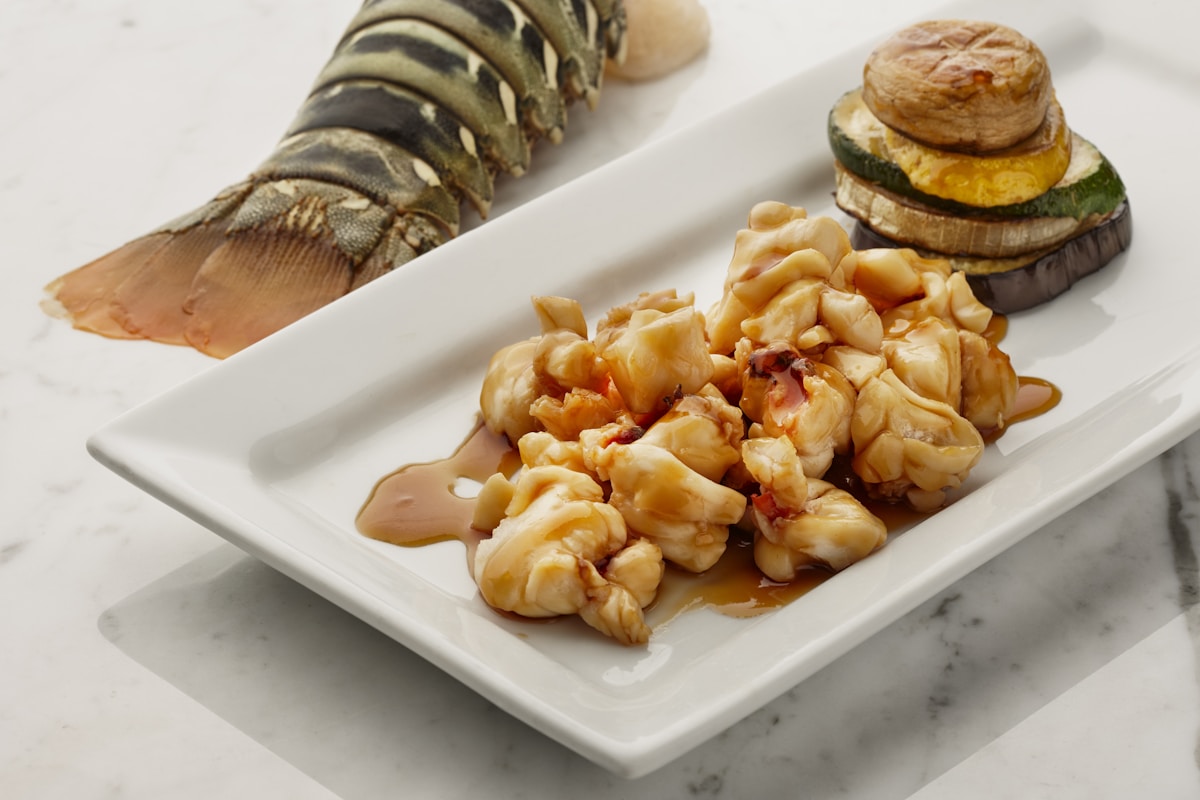
Freeze-Dried Lobster: As we just learned, this is a whole different animal. After rehydrating, the texture is fundamentally altered. Instead of a snap, you’ll likely get a softer, sometimes mealy or slightly rubbery mouthfeel. The flavor is often concentrated and can be quite good, but the texture is the trade-off. It’s simply not meant to be served as a standalone lobster tail dipped in butter. Trying to do so is a recipe for disappointment.
So, if you hear a story about a five-star wedding serving lobster to 500 people, they are almost certainly using top-quality blast-frozen tails, not rehydrated freeze-dried pouches. (Trust me on this one.)
The Right Tool for the Right Job When to Use Freeze-Dried Lobster
Okay, so if it’s not great for a classic lobster dinner, is it useless? Absolutely not! Remember my core philosophy: the kitchen is more forgiving than you think. You just have to use your ingredients where they can shine. Freeze-dried lobster is a flavor ingredient, not a texture ingredient.
Think of it as a secret weapon for infusing deep, savory lobster flavor into dishes where a creamy or complex sauce is the star of the show. Here are its perfect uses:
- Lobster Bisque: This is probably the number one best use. The rehydrated lobster meat is often pureed into the creamy soup base, giving it an incredible depth of flavor that you couldn’t get from broth alone. The texture is completely irrelevant here.
- Rich Pasta Sauces: Imagine a creamy tomato or an Alfredo-style sauce. Chop the rehydrated lobster into small pieces and fold it in at the end. It will perfume the entire sauce with its flavor, and the small pieces won’t call attention to their softer texture.
- Lobster Mac and Cheese: Just like with a pasta sauce, small bits of rehydrated lobster distributed through a rich, cheesy sauce can elevate this comfort food classic into something truly special.
- Camping and Backpacking Meals: The original purpose of freeze-dried food was for lightweight, shelf-stable rations. It’s perfect for adding a protein and flavor punch to a trailside meal without weighing down your pack.
In all these cases, the lobster isn’t the standalone star; it’s part of an ensemble cast, contributing its amazing flavor to the overall dish.
The Kitchen Hack How to Rehydrate It Properly
If you do decide to give it a try for a soup or sauce, how you bring it back to life matters. Just adding water is a missed opportunity!
Here is a simple, step-by-step method to get the most out of it:
-
Choose a Flavorful Liquid: Ditch the plain water. To add richness and flavor right from the start, use warm whole milk, heavy cream, or a quality chicken or vegetable broth. For an extra decadent touch, you can even use warm melted butter.
-
Give It Time: Place the freeze-dried lobster pieces in a bowl and pour just enough of your warm liquid over them to cover. Let them soak for about 15 to 20 minutes. You’ll see them plump up as they absorb the liquid. Don’t rush this step.
-
Gently Pat Dry: Once they feel soft and rehydrated, gently lift them out of the liquid and place them on a paper towel. Pat them lightly to remove excess surface moisture. This prevents them from watering down your sauce.
-
Add It at the End: This is key! The rehydrated lobster is essentially already ‘cooked’. To prevent it from becoming tough and rubbery, add it to your soup, sauce, or mac and cheese during the last minute or two of cooking, just long enough to heat it through.
Try This Tonight A Beginner-Friendly Alternative
Understanding ingredients is the first step to becoming a confident cook. You’ve now learned that freeze-dried lobster has a very specific job in the kitchen. It’s a fantastic lesson in how preservation changes food on a structural level.
So, my challenge for you tonight isn’t to run out and buy freeze-dried lobster. Instead, let’s practice the idea behind it with a more forgiving ingredient. If you want to make a luxurious seafood bisque, try it with a bag of good-quality frozen, shelled shrimp. Thaw them, and then use the same principle: add most of them to the soup base for flavor, but save a few to pan-sear quickly and use as a garnish on top for that lovely texture.
This way, you get the best of both worlds—deep flavor in the soup and a perfect bite on top. It’s a small step that teaches a huge lesson about building flavor and texture. And that, my friend, is a wonderful reason to have fun in the kitchen.