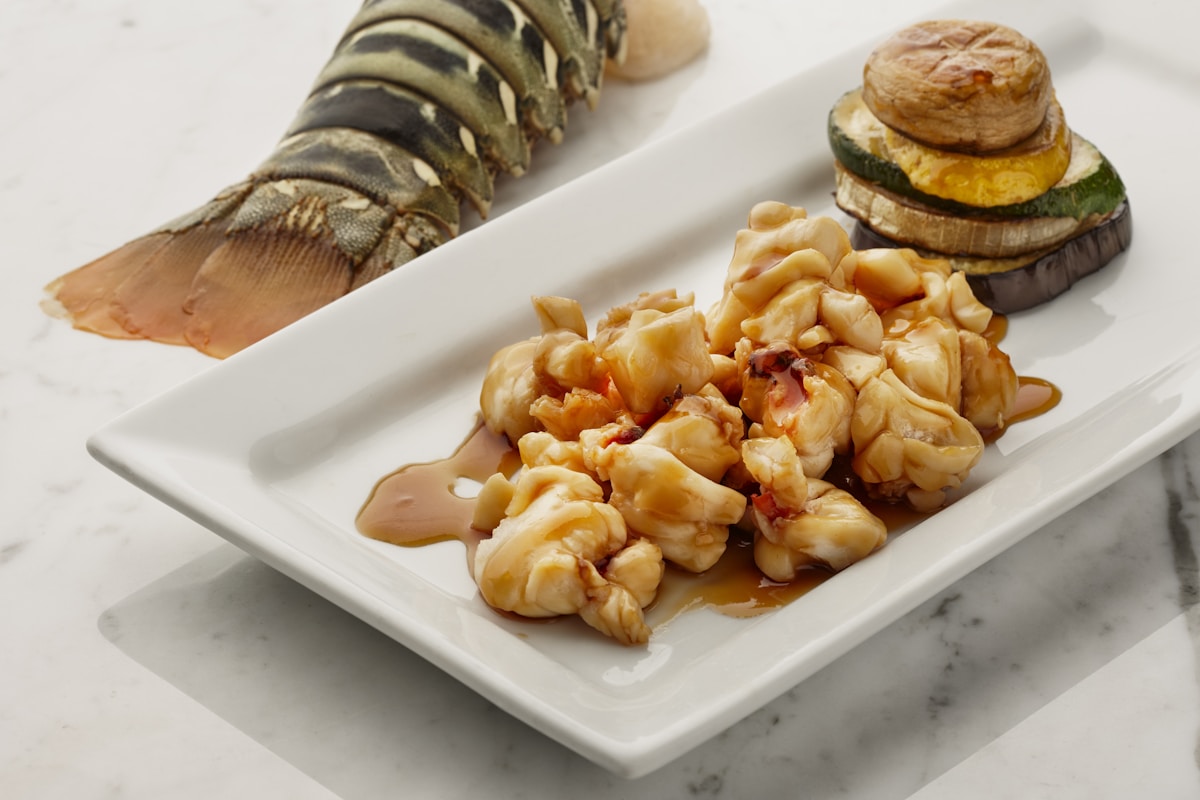
Have you ever seen those packages of freeze-dried food, promising gourmet meals with just a little hot water? It’s a tempting idea, isn’t it? The thought of having something as luxurious as lobster ready in minutes, without a trip to the fish market, sounds like a kitchen dream come true. You imagine a buttery, tender lobster tail, perfect for a special Tuesday night dinner.
But then you try it, and the dream bubble pops. Instead of delicate, sweet meat, you get something… chewy. Spongy, even. It’s a letdown, and it can make you feel like you did something wrong. I’m here to tell you, it’s not you — it’s the lobster.
The Science Behind the Spongy Texture
Let’s get into the why. Freeze-drying is an incredible preservation technique. It works by freezing the food and then putting it in a strong vacuum to remove all the ice as vapor. This process, called sublimation, is fantastic for things like berries for your cereal or astronaut ice cream because their rigid plant cell walls can mostly hold their shape.
But delicate animal proteins, like the ones in lobster or scallops, are a different story. Their texture relies on a complex network of moisture and fat woven between muscle fibers. The intense freeze-drying process basically shatters that delicate structure. When you add water back in, the water has nowhere to go to recreate that original tenderness. It just soaks into the damaged protein, creating a texture that’s more like a kitchen sponge than a gourmet meal.
Think of it like this: trying to rehydrate freeze-dried lobster is like trying to turn a piece of beef jerky back into a juicy steak. You can make it wet, but you can’t make it tender again. The fundamental structure has been permanently changed.
So When Is Freeze-Dried Seafood a Good Idea
Now, this doesn’t mean freeze-dried lobster is useless! Its real purpose is long-term, shelf-stable storage where texture isn’t the top priority. It’s designed for emergency preparedness kits, backpacking trips, or large-scale food donations where preventing spoilage is the main goal.
Could you use it in your home kitchen? Maybe, but with a big asterisk. Some chefs might argue you could hide the rubbery texture by mincing it up and burying it in a very flavorful, creamy bisque or a thick chowder. In these cases, the lobster is there for a hint of flavor, not as the star of the show. But honestly, for the price you pay for premium freeze-dried seafood, there are much better, more reliable options for your soup pot.
Better Bets for an Easy Fancy Seafood Dinner
If you’re looking for that easy, elegant seafood experience without the risk of rubbery disappointment, let’s talk about some fantastic alternatives that live in your freezer aisle. These options preserve the delicate texture much more effectively.
- Frozen Lobster Tails: These are a game-changer. They are simply raw lobster tails, frozen solid. When thawed properly (overnight in the fridge is best), they cook up beautifully. You can steam, boil, or broil them just like fresh ones, and you’ll get that buttery, perfect bite you were dreaming of.
- High-Quality Frozen Shrimp: Don’t sleep on frozen shrimp! Look for bags of raw, peeled, and deveined shrimp. They thaw in minutes under cool running water and are incredibly versatile for scampi, stir-fries, or tacos. (I’ve got a tip for you on these below!)
- Frozen Scallops: Large sea scallops freeze exceptionally well. When you thaw and pat them very, very dry, you can get a gorgeous, golden-brown sear on them in a hot pan in just a couple of minutes per side. They taste incredibly decadent and are surprisingly simple to cook.
My Go-To Hack for Plump Perfect Shrimp
Want to make sure your frozen shrimp are never watery or tough? Try this simple trick. It’s a quick brine that makes a world of difference.
For every pound of thawed, peeled shrimp, dissolve 1 teaspoon of salt and 1/4 teaspoon of baking soda in a bowl with a little water. Toss the shrimp in the mixture and let it sit in the fridge for just 15-20 minutes. The salt seasons the shrimp from the inside out, and the baking soda helps them retain moisture, giving them a wonderfully firm, snappy texture when cooked. Just give them a quick rinse and pat them completely dry before you toss them in the pan. (Trust me on this one.)
Try This Tonight Your Foolproof Seafood Fix
Feeling inspired? Let’s put this into practice with a dinner you can make in under 20 minutes. Grab a bag of that frozen shrimp you just learned how to perfect.
Simple Garlic Butter Shrimp:
- Thaw one pound of shrimp and do the quick salt/baking soda brine. Rinse and pat very dry.
- Melt 3 tablespoons of butter in a skillet over medium-high heat. Add 3-4 cloves of minced garlic and cook for just 30 seconds until you can smell it. Don’t let it burn!
- Add the shrimp to the pan in a single layer. Cook for 1-2 minutes per side, until they are pink and opaque.
- Turn off the heat. Squeeze in the juice of half a lemon and toss with a handful of fresh chopped parsley.
Serve it over pasta, with a side of crusty bread for dipping, or over a bed of rice. It’s simple, elegant, and guaranteed to be tender and delicious — no rubbery surprises. You see? A little kitchen knowledge goes a long way. Happy cooking!